
















Copyright: ©Author(s) 2026.
World J Cardiol. May 26, 2026; 18(5): 119108
Published online May 26, 2026. doi: 10.4330/wjc.v18.i5.119108
Published online May 26, 2026. doi: 10.4330/wjc.v18.i5.119108
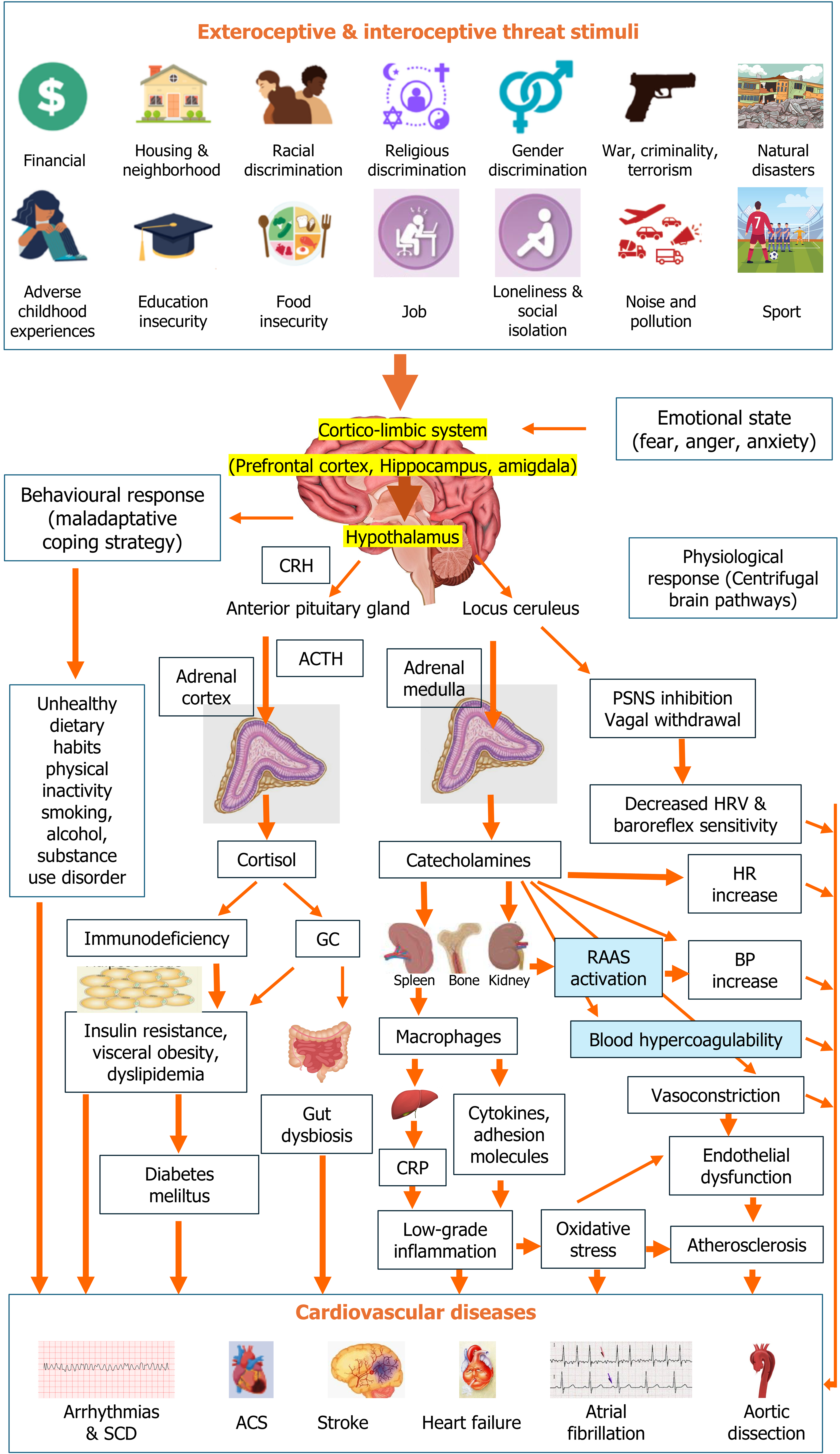
Figure 1 A tentative, simplified illustration of the main conceptual links between stress and cardiovascular disease.
Adapted from[2,7,8,10,181,187,206,211,221,232,239,255,392]. Stressful stimuli are processed by cortical and subcortical brain regions and transmitted to the hypothalamus, then to the anterior pituitary gland and locus coeruleus. Through the autonomic nervous system and the hypothalamus-pituitary-adrenal axis, these signals trigger neuroendocrine, hemodynamic, and immune changes. Both components of the stress response can contribute to cardiovascular disease. Signals via the autonomic nervous system reach the heart, adrenal cortex, bone marrow, spleen, kidneys, lymph nodes, and ganglia. In the acute phase, these pathways lead to increased heart rate, blood pressure, and vasoconstriction, along with generalized inflammation, platelet activation, immune activation, and metabolic disturbances. Catecholamines, acting through macrophages, promote acute-phase reactions, cytokine release, and adhesion molecule expression, resulting in low-grade inflammation. Oxidative stress (characterized by reduced antioxidant defences and increased reactive oxygen species and lipid oxidation) and endothelial dysfunction (marked by decreased flow-mediated dilation, nitric oxide bioavailability, and endothelial nitric oxide synthase activity) are involved in all stages of atherosclerosis. Chronic stress also induces hyperactivation of the hypothalamus-pituitary-adrenal axis, leading to glucocorticoids release, which disrupts circuits regulating stress response and homeostasis. This overactivation of immune effector cells contributes to insulin resistance, dyslipidaemia, and visceral adiposity. Concurrently, unhealthy behavioural responses may occur. The combined effect of these processes ultimately results in the development of various acute cardiovascular diseases. CRH: Corticotropin-releasing hormone; ACTH: Adrenocorticotropic hormone; PSNS: Parasympathetic nervous system; GC: Glucocorticoids; HR: Heart rate; HRV: Heart rate variability; BP: Blood pressure; CRP: C-reactive protein; SCD: Sudden cardiac death; ACS: Acute coronary syndromes.
- Citation: Abrignani MG, Renda N, Abrignani V, Lombardo A, Lucà F. Mental stress: A novel cardiovascular risk factor. World J Cardiol 2026; 18(5): 119108
- URL: https://www.wjgnet.com/1949-8462/full/v18/i5/119108.htm
- DOI: https://dx.doi.org/10.4330/wjc.v18.i5.119108