
















Copyright: ©Author(s) 2026.
World J Cardiol. Mar 26, 2026; 18(3): 116780
Published online Mar 26, 2026. doi: 10.4330/wjc.v18.i3.116780
Published online Mar 26, 2026. doi: 10.4330/wjc.v18.i3.116780
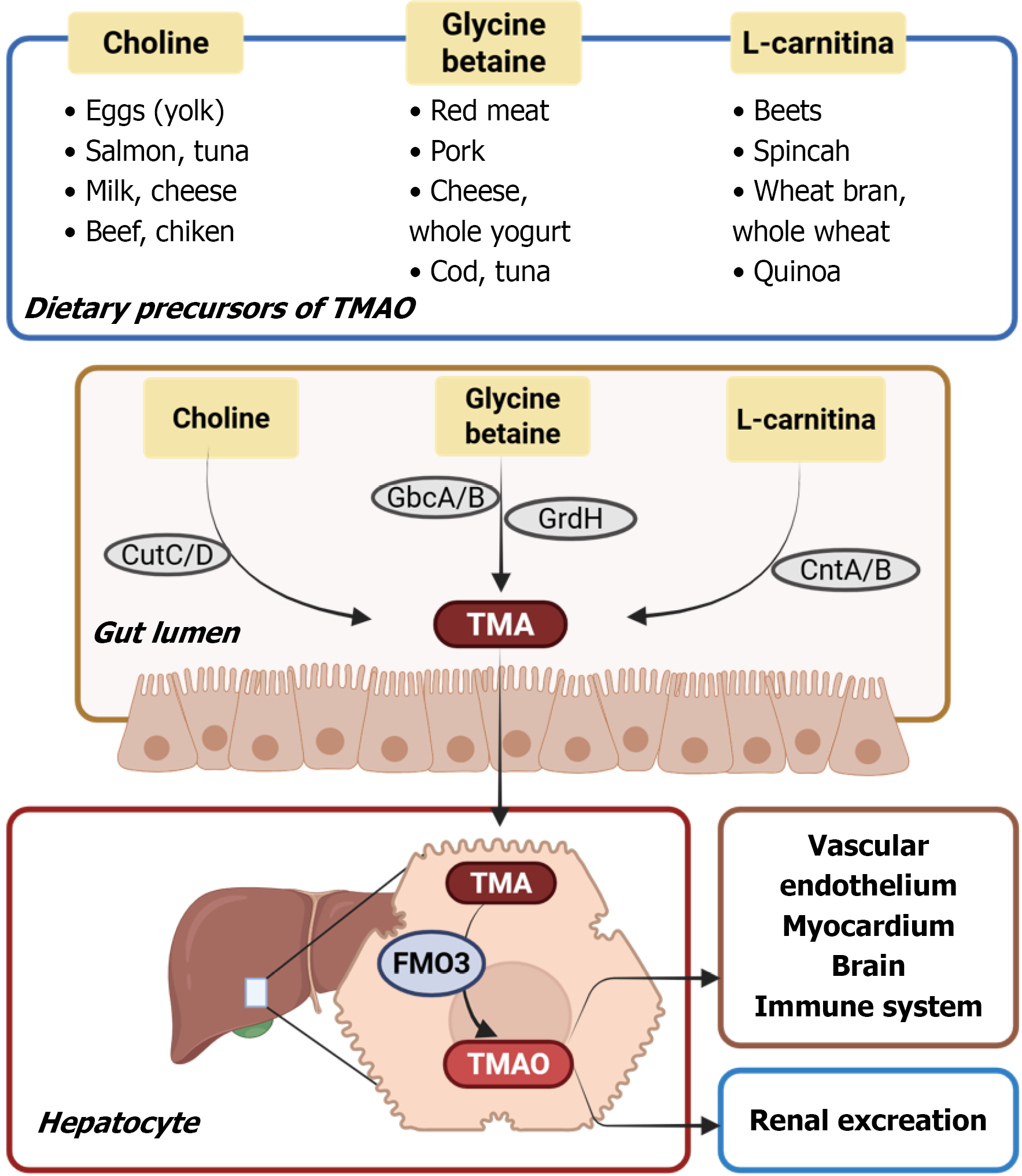
Figure 1 Trimethylamine N-oxide metabolic pathway.
Choline, betaine, and L-carnitine, present in animal-derived foods, are metabolized by the gut microbiome into trimethylamine (TMA) by gut microbiome enzyme complexes. TMA is absorbed and transported to the liver via the portal vein system, where it is oxidized by the coenzyme flavin monooxygenase 3 to TMA oxide. This metabolite is primarily excreted through the kidney. TMAO: Trimethylamine N-oxide; cutC/D: Choline utilization gene C/D; GbcA/B: Glycine betaine reductase components A/B; GrdH: Glycine reductase component H; cntA/B: Carnitine monooxygenase system; TMA: Trimethylamine; FMO3: Flavin monooxygenase 3.
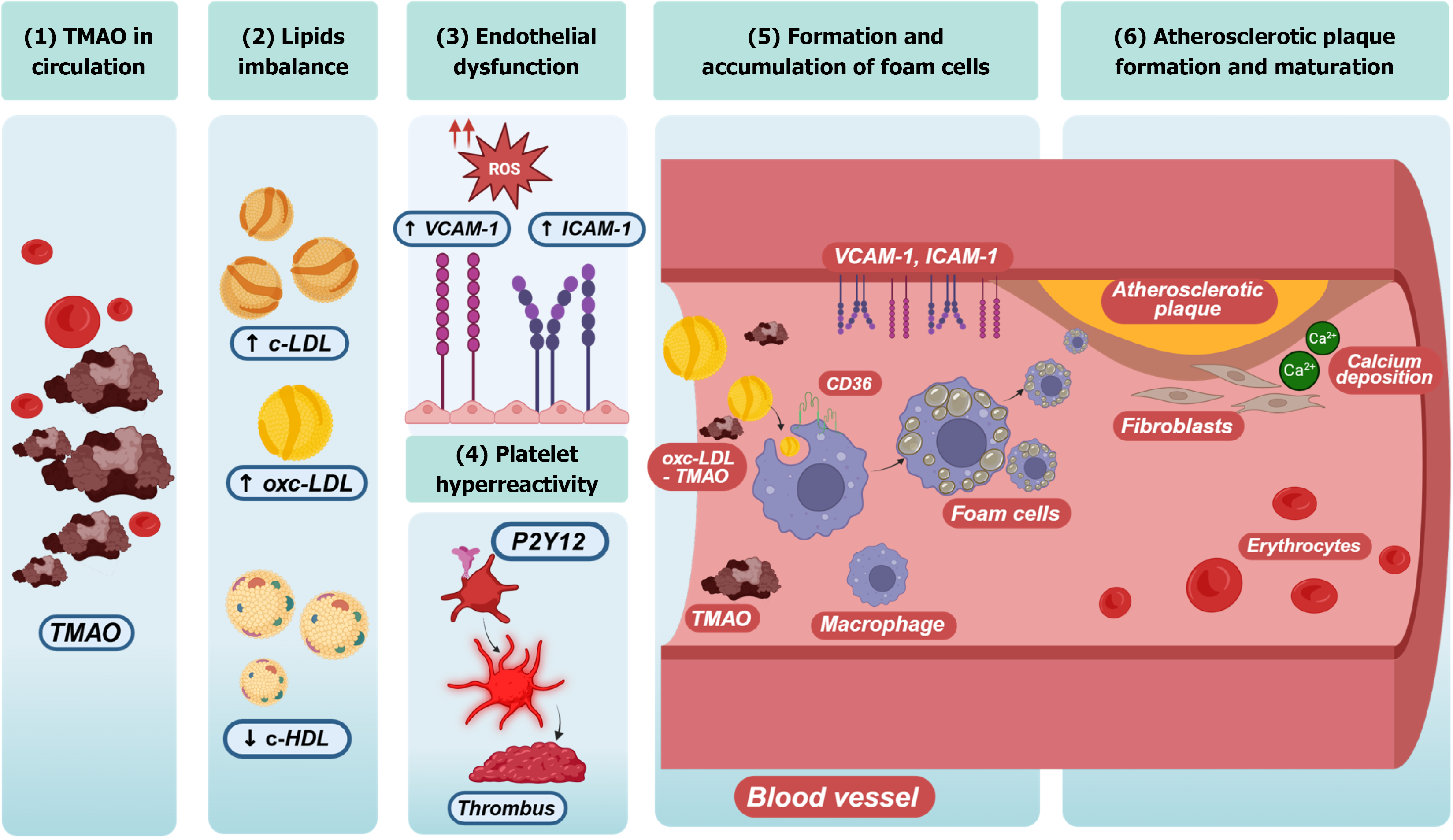
Figure 2 Role of trimethylamine N-oxide in atherosclerotic plaque formation and thrombosis.
Increased circulating trimethylamine N-oxide promotes endothelial dysfunction, foamy macrophage accumulation, and an inflammatory environment favoring the expression of adhesion molecules (vascular cell adhesion molecule-1, intercellular adhesion molecule 1). In addition, it contributes to lipid imbalance, which increases the uptake of oxidized low-density lipoprotein cholesterol by macrophages, increases platelet reactivity, and alters vascular remodeling through collagen synthesis and calcification. They culminate in the formation and maturation of atherosclerotic plaque. TMAO: Trimethylamine N-oxide; c-LDL: Low-density lipoprotein cholesterol; oxc-LDL: Oxidized low-density lipoprotein cholesterol; c-HDL: High-density lipoprotein cholesterol; VCAM-1: Vascular cell adhesion molecule-1; ICAM-1: Intercellular adhesion molecule-1; P2Y12: Purinergic receptor P2Y12; ROS: Reactive oxygen species.
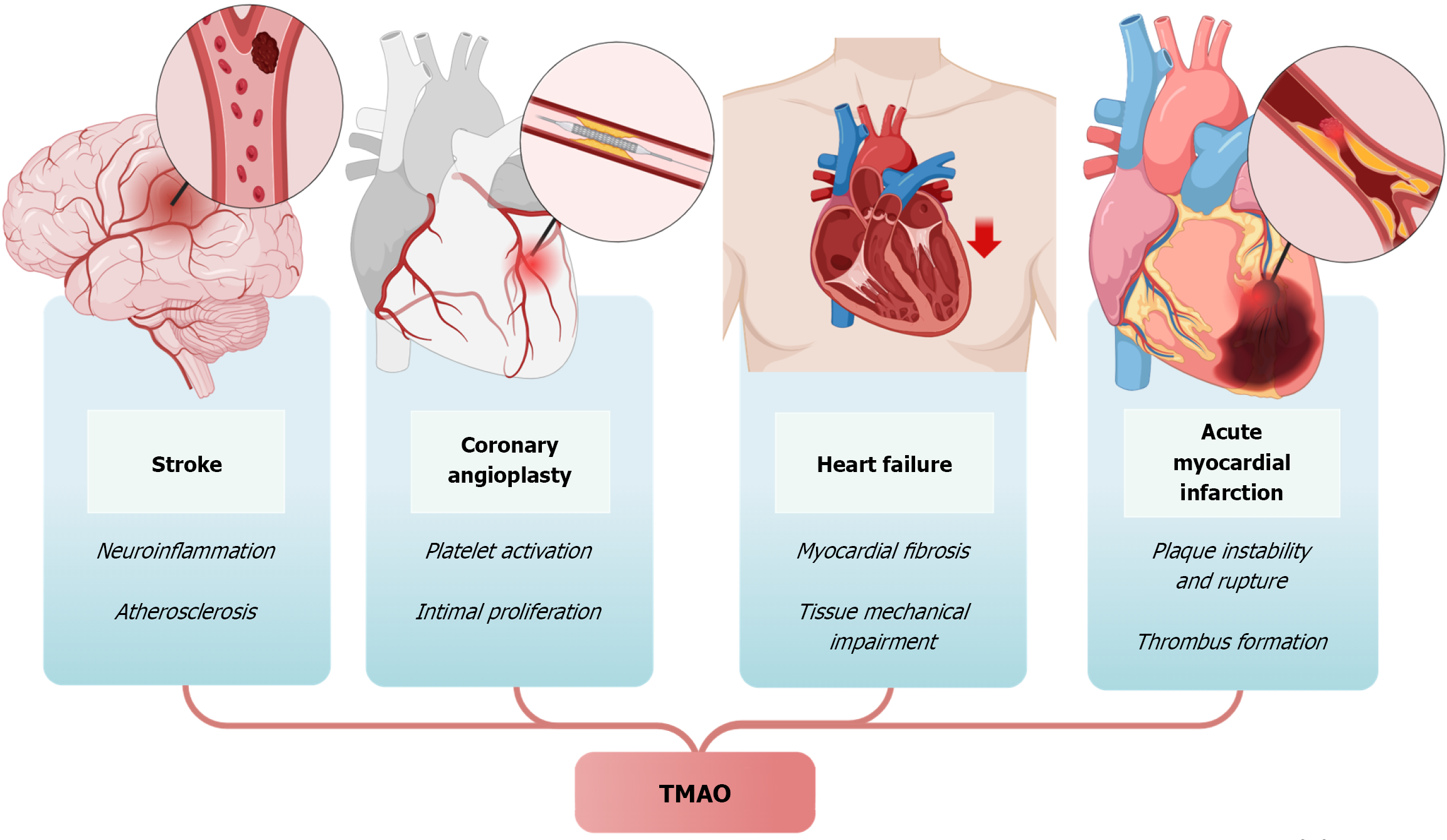
Figure 3 Components of major cardiovascular events.
Elevated trimethylamine N-oxide levels contribute to the development of various cardiovascular diseases that are classified as major cardiovascular events. These factors derived from mechanisms such as inflammation, myocardial fibrosis, atherosclerosis, neuroinflammation, platelet activation, atherosclerotic plaque rupture and instability, and thrombus formation. TMAO: Trimethylamine N-oxide.
- Citation: Jaimez Alvarado S, Flores Enciso MF, Amedei A, Aguirre García MM. Gut microbiota-derived metabolite trimethylamine N-oxide in major adverse cardiovascular events: Mechanisms, risk assessment, and therapeutic strategies. World J Cardiol 2026; 18(3): 116780
- URL: https://www.wjgnet.com/1949-8462/full/v18/i3/116780.htm
- DOI: https://dx.doi.org/10.4330/wjc.v18.i3.116780