
















©The Author(s) 2026.
World J Cardiol. Jan 26, 2026; 18(1): 112857
Published online Jan 26, 2026. doi: 10.4330/wjc.v18.i1.112857
Published online Jan 26, 2026. doi: 10.4330/wjc.v18.i1.112857
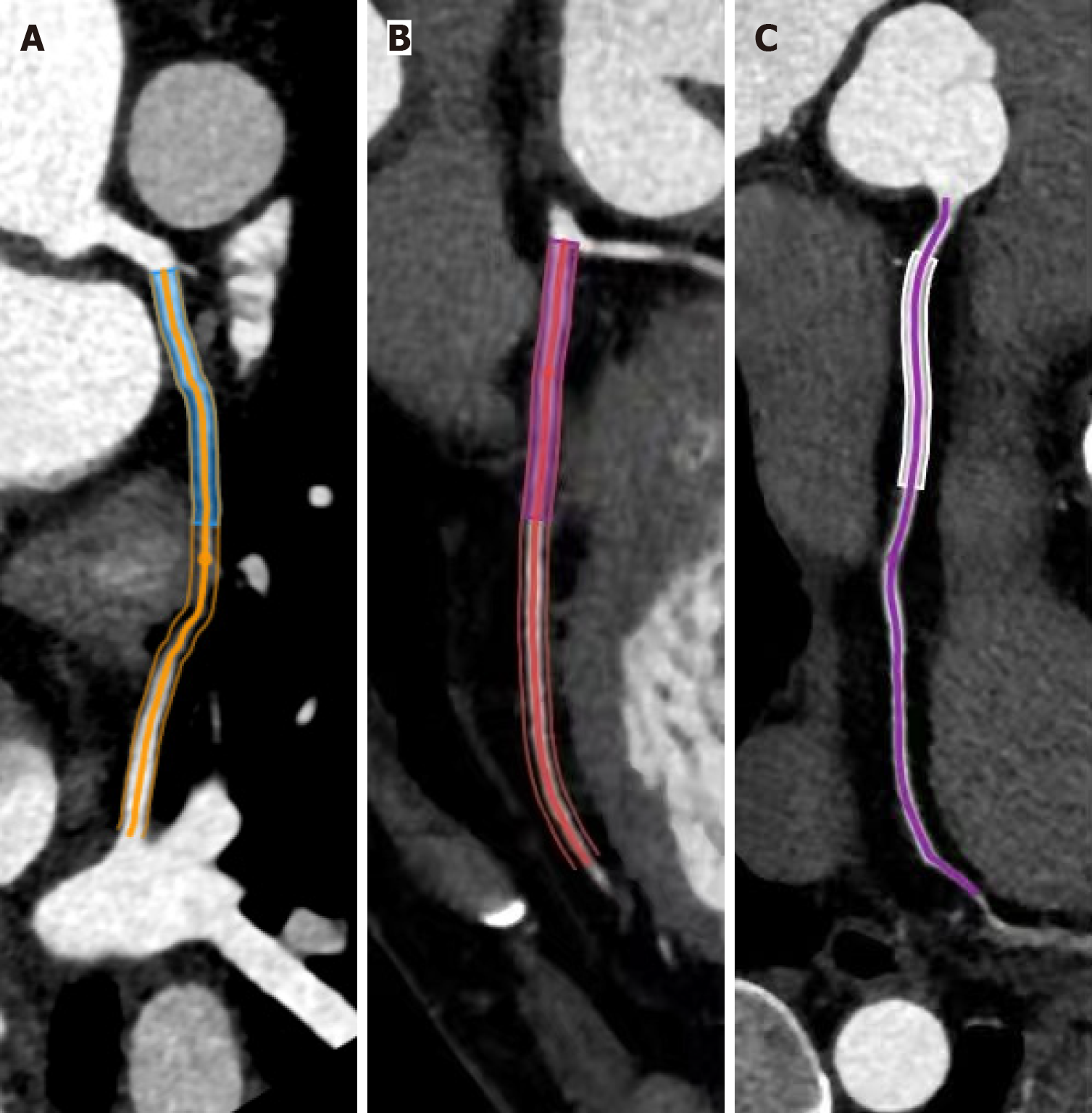
Figure 1 The methodology of the pericoronary adipose tissue analysis.
A: Left anterior descending artery; B: Left circumflex artery proximal 40-mm segments; C: Right coronary artery proximal 10-50 mm segment. Pericoronary adipose tissue attenuation was quantified within the adipose voxels (-190 HU to -30 HU), extending radially from the vessel wall at distances equivalent to the coronary artery diameters.
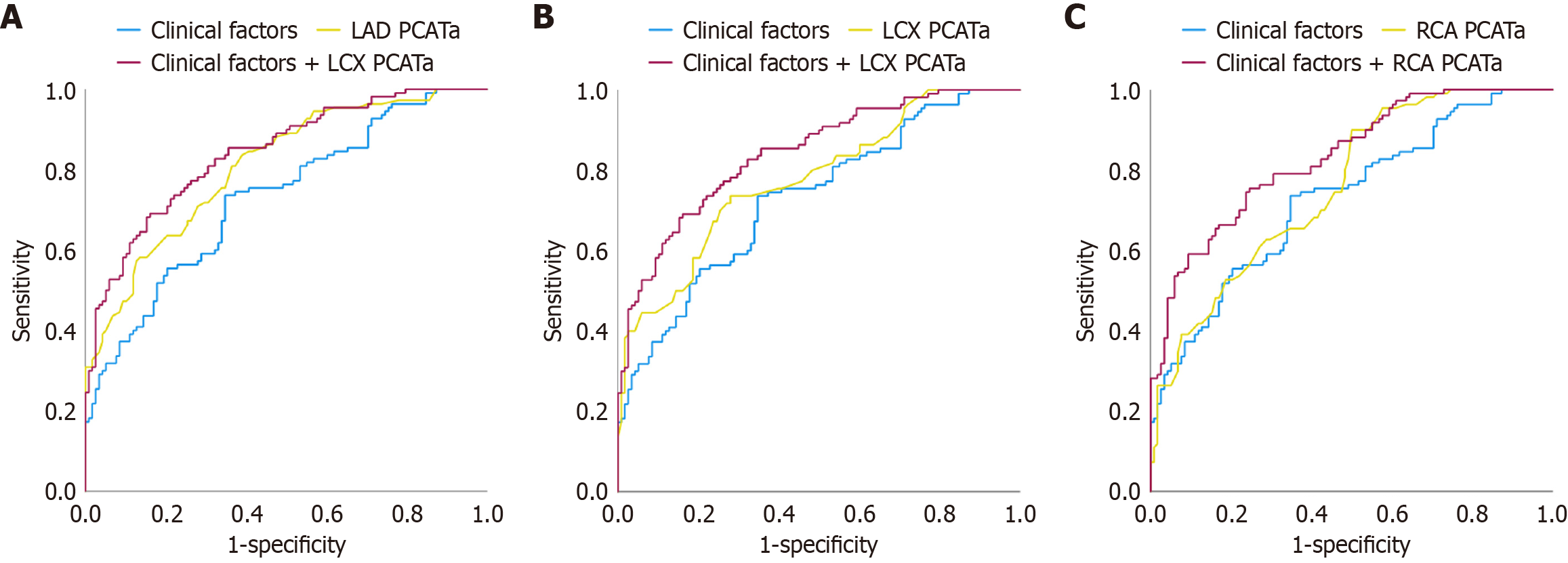
Figure 2 Receiver operating characteristic curves for identifying ischemia with non-obstructive coronary arteries in patients with type 2 diabetes mellitus.
A: Clinical variables vs left anterior descending artery-pericoronary adipose tissue attenuation and their combination; B: Clinical variables vs left circumflex-pericoronary adipose tissue attenuation and their combination; C: Clinical variables vs right coronary artery-pericoronary adipose tissue attenuation and their combination. The diagnostic performance was assessed by comparing the area under the curve for each parameter. Combined models demonstrated improved diagnostic accuracy compared with individual indicators. LAD: Left anterior descending artery; PCATa: Pericoronary adipose tissue attenuation; LCX: Left circumflex; RCA: Right coronary artery.
- Citation: Su KX, Jiang SY, Pang CF, Yang F, Tang YQ, Li XG, He WF, Li R. Coronary computed tomography angiography adipose tissue attenuation in diabetic patients with myocardial ischemia and non-obstructive coronary arteries. World J Cardiol 2026; 18(1): 112857
- URL: https://www.wjgnet.com/1949-8462/full/v18/i1/112857.htm
- DOI: https://dx.doi.org/10.4330/wjc.v18.i1.112857