
















©The Author(s) 2025.
World J Biol Chem. Dec 5, 2025; 16(4): 109509
Published online Dec 5, 2025. doi: 10.4331/wjbc.v16.i4.109509
Published online Dec 5, 2025. doi: 10.4331/wjbc.v16.i4.109509
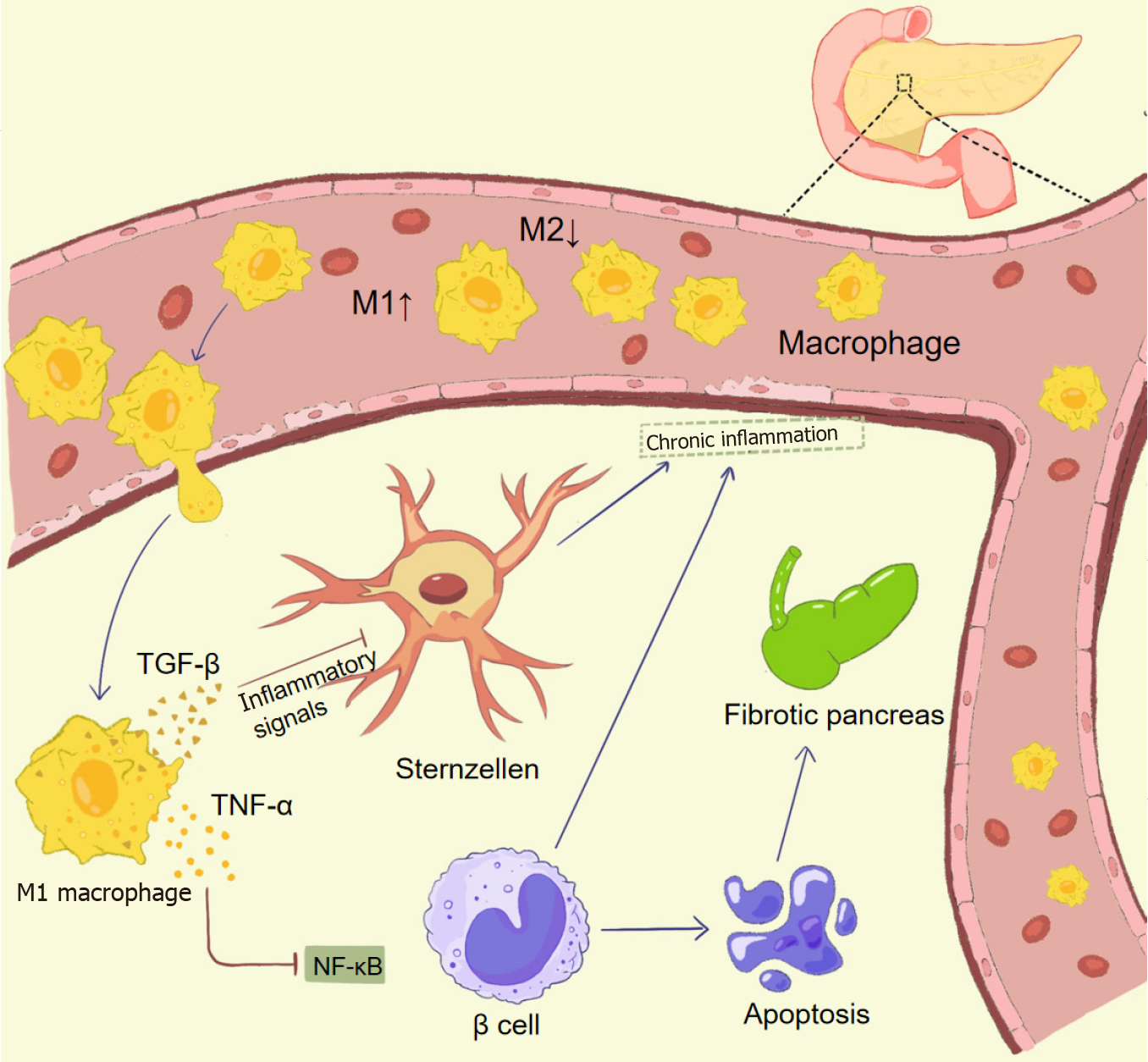
Figure 1 Regulatory mechanisms of pancreatic macrophage modulation in obesity pathogenesis.
The figure illustrates the pathological mecha
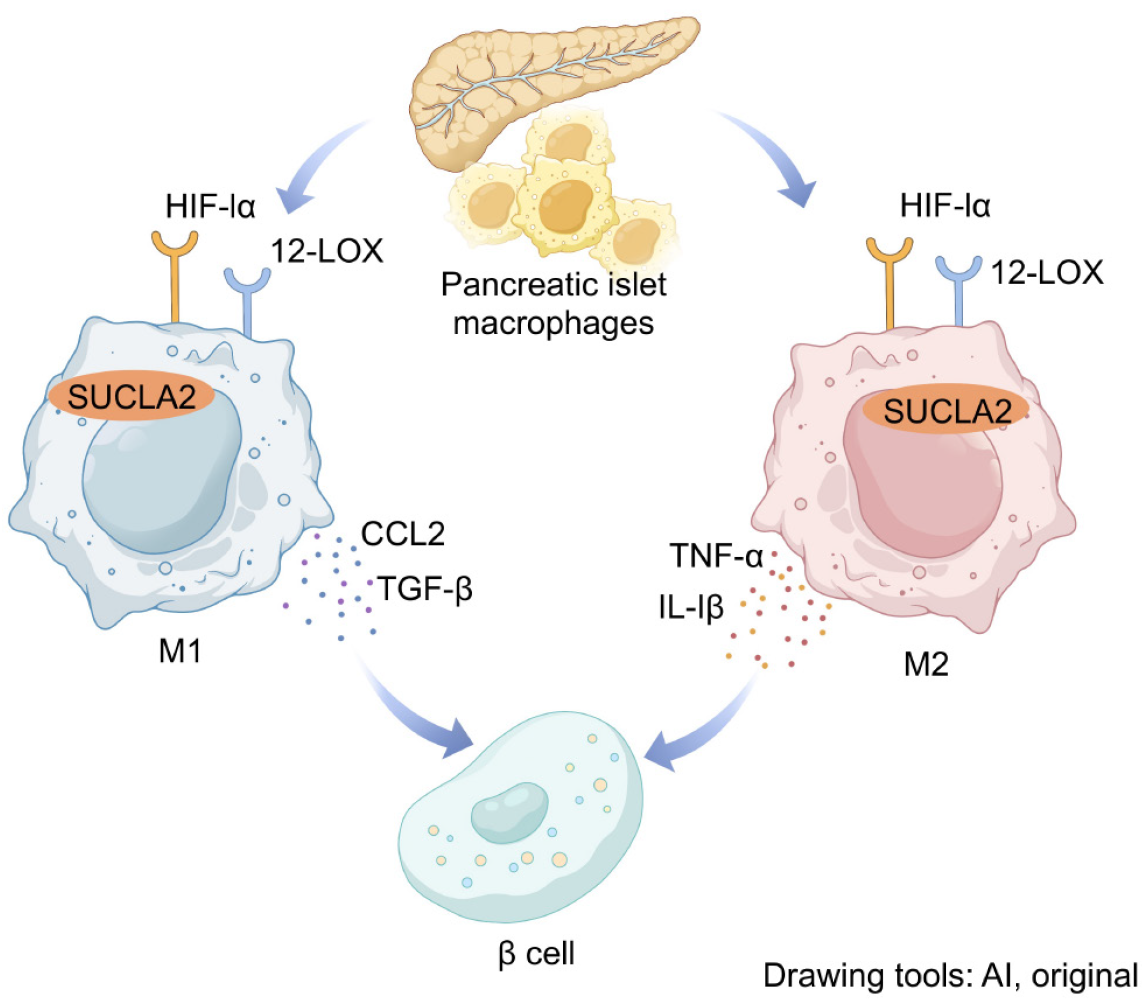
Figure 2 Role of pancreatic macrophages in obesity-associated metabolic dysregulation.
This figure delineates the pathway-mediated process by which islet macrophages polarize into M1 and M2 phenotypes under inflammatory conditions, secreting pro-inflammatory cytokines that ultimately lead to β-cell loss. CCL2: Chemokine (C-C Motif) Ligand 2; HIF-1α: Hypoxia-inducible factor-1 alpha; 12-LOX: 12-lipoxygenase; SUCLA2: Succinate-CoA ligase ADP-forming beta subunit; TGF-β: Transforming growth factor-beta; TNF-α: Tumor necrosis factor-alpha; IL-1β: Interleukin-1 beta
- Citation: Chen KR, Chen ZY, Liu FY, Xie CY, Hu J, Wang SY, Xu B, Xu TC. Macrophage-mediated metabolic dysregulation in the pancreas: Insights from obesity. World J Biol Chem 2025; 16(4): 109509
- URL: https://www.wjgnet.com/1949-8454/full/v16/i4/109509.htm
- DOI: https://dx.doi.org/10.4331/wjbc.v16.i4.109509