
















Copyright: ©Author(s) 2026.
World J Gastrointest Surg. Aug 27, 2026; 18(8): 117878
Published online Aug 27, 2026. doi: 10.4240/wjgs.117878
Published online Aug 27, 2026. doi: 10.4240/wjgs.117878
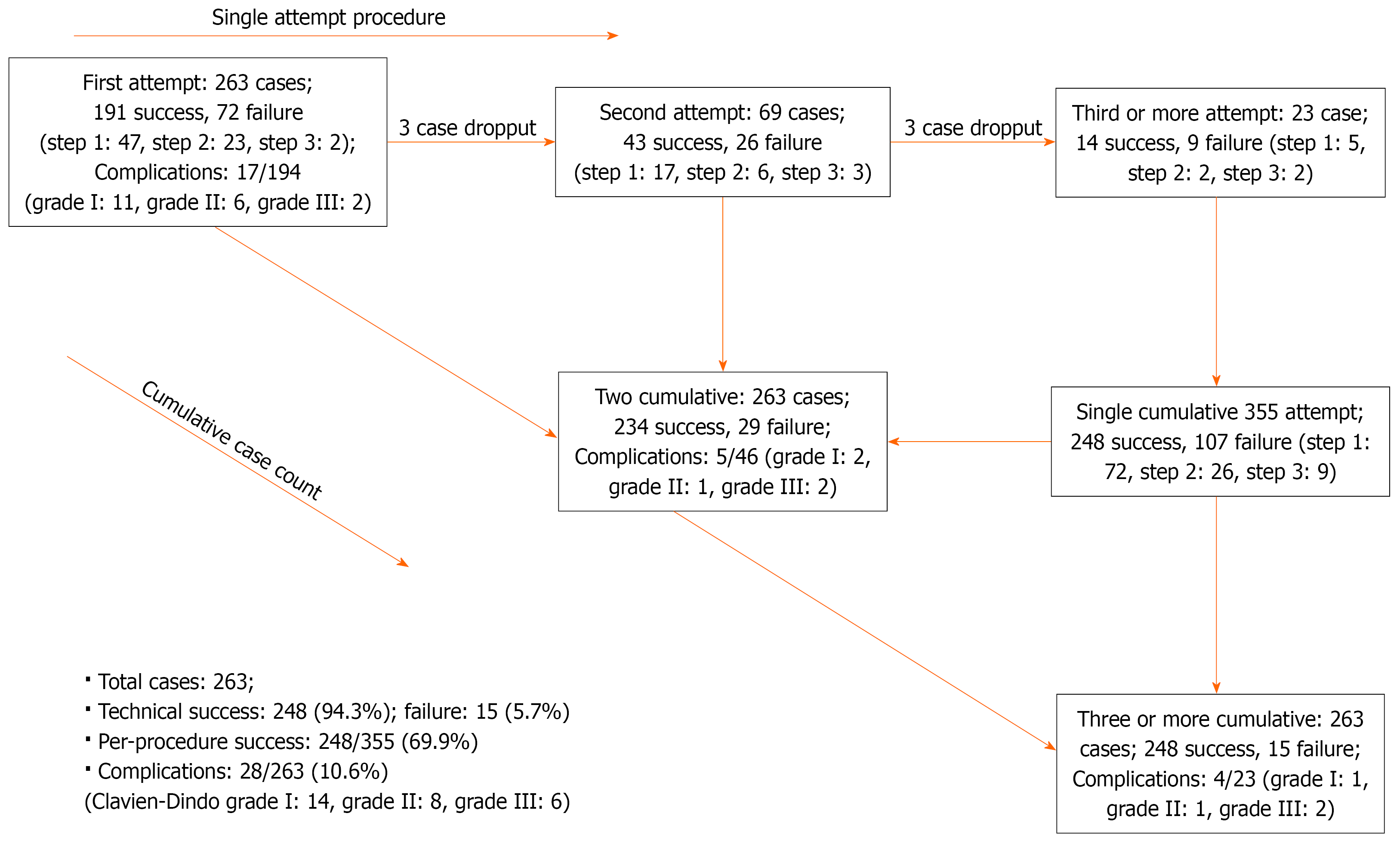
Figure 1 Flowchart of patient enrollment and procedural outcomes.
Diagram illustrates the pathway of 263 patients undergoing initial ultrasound-guided percutaneous transhepatic biliary drainage through sequential attempts. Boxes indicate the number of procedures at each attempt stage (first, second, and third/subsequent) and their immediate outcomes (success or failure). The cumulative technical success rate after all attempts was 94.3% (248/263).
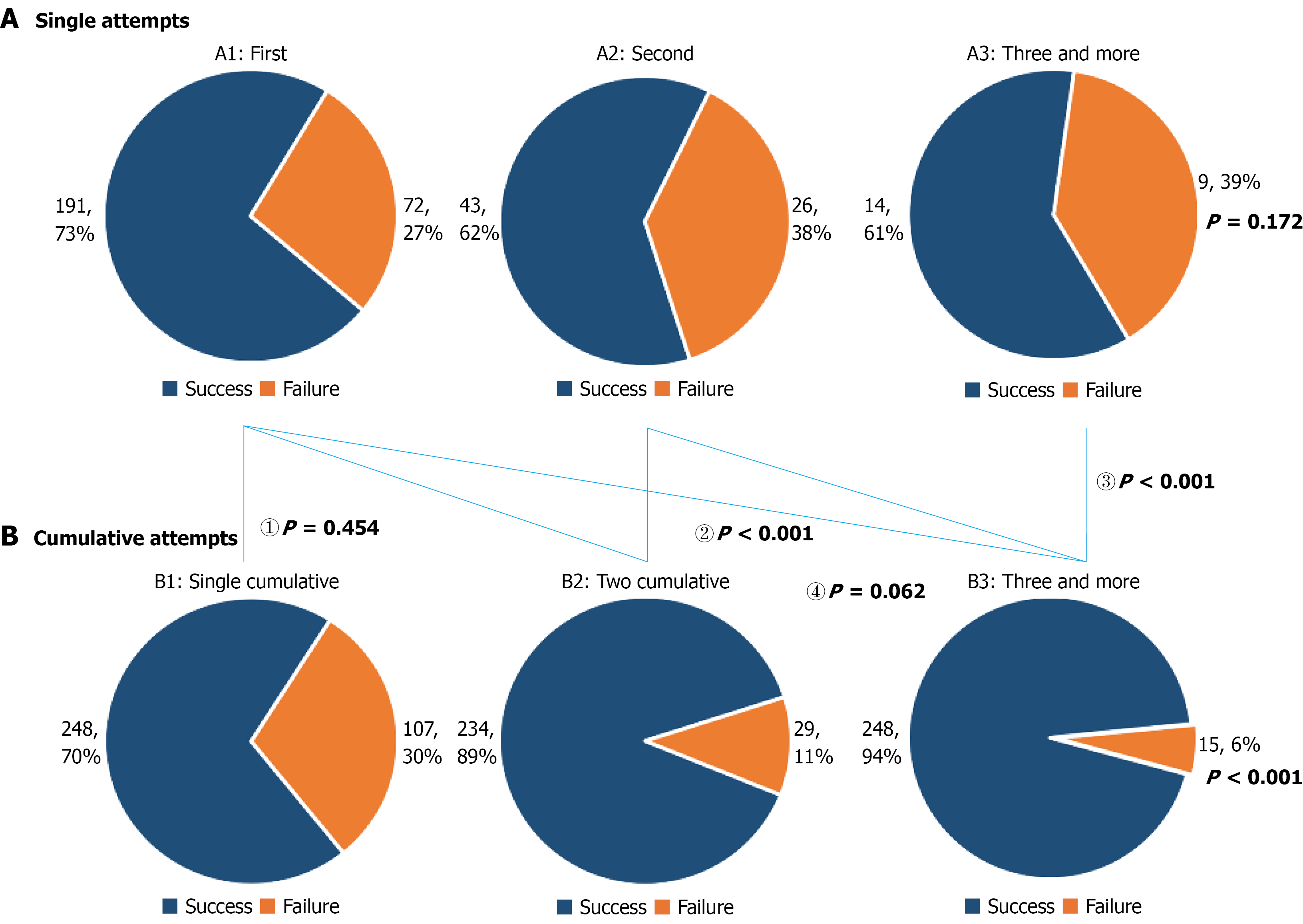
Figure 2 Success rates stratified by attempt sequence.
A: Per-attempt technical success rates for first (A1: 73%), second (A2: 62%), and third/subsequent (A3: 61%) attempts; B: Cumulative case-based success rates after one (B1: 70%), two (B2: 89%), and three or more (B3: 94%) attempts. Statistical comparisons (P values) between groups are detailed in the main text.
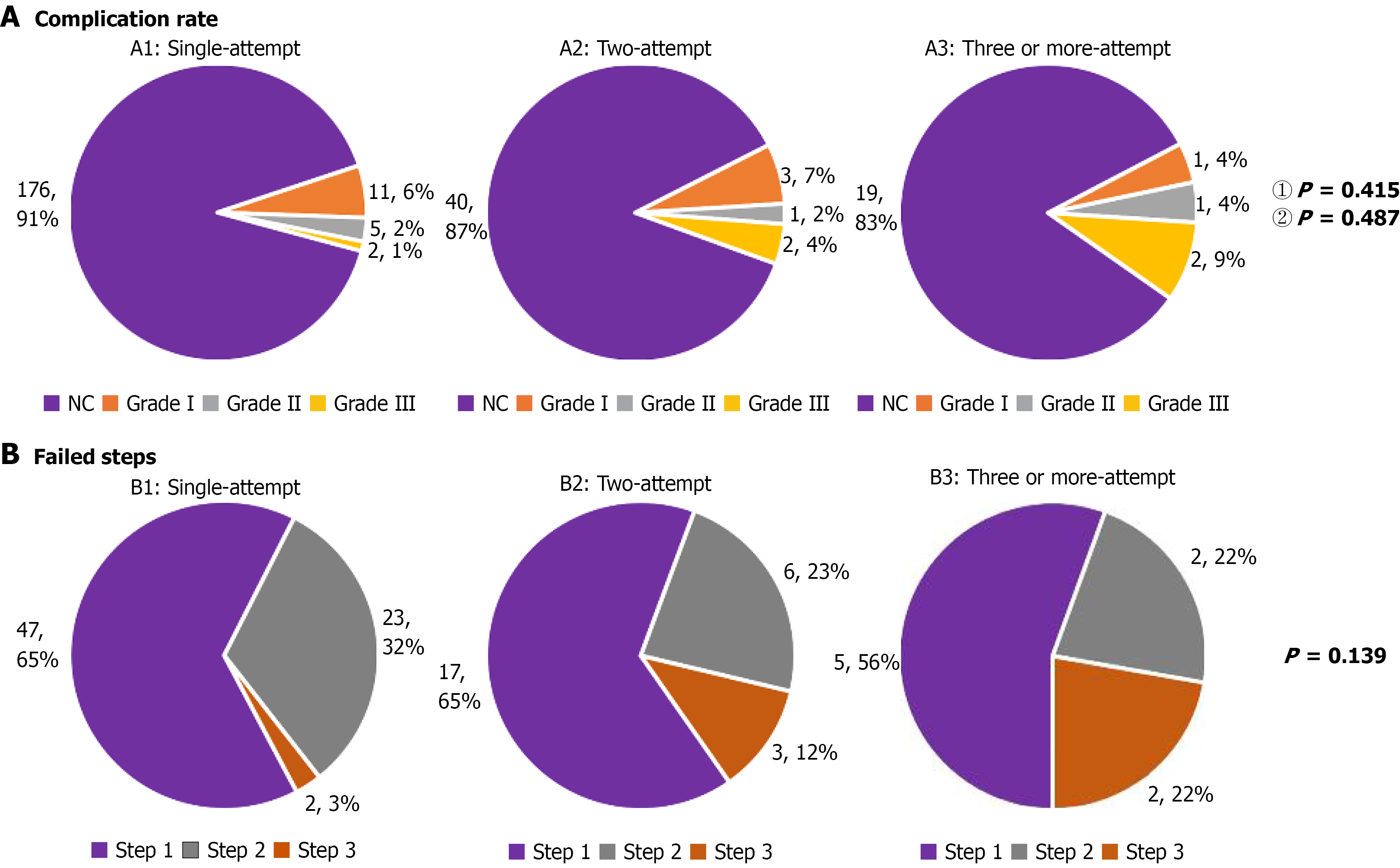
Figure 3 Analysis of complications and procedural failure steps.
A: Overall and attempt-stratified rates of complications (Clavien-Dindo grades I-III); B: Distribution of the failed technical step (Puncture, Cannulation, or Drainage) across first, second, and third/subsequent attempts. The P-value for the trend in drainage failure across attempts is indicated.
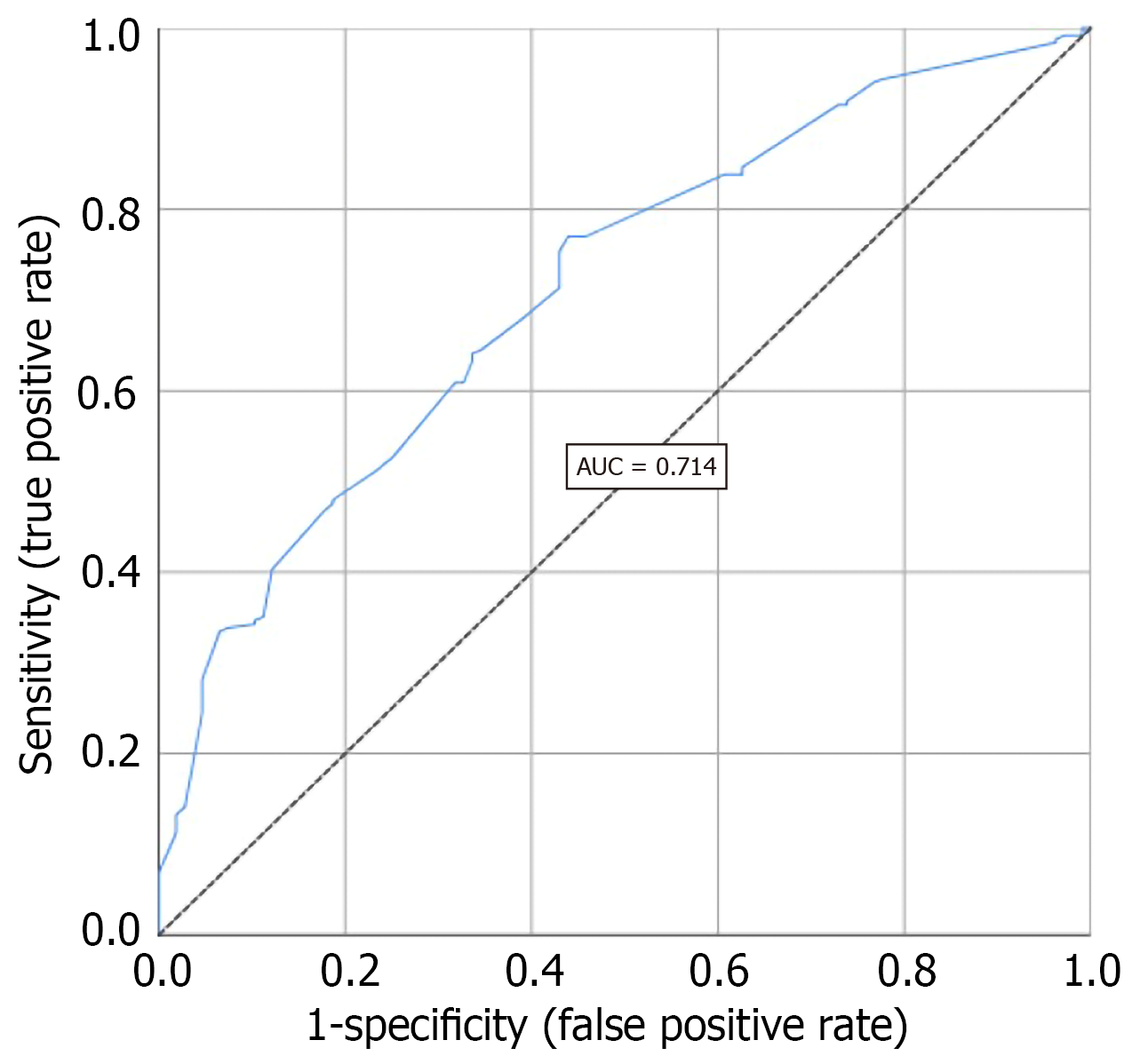
Figure 4 Receiver operating characteristic curve for the simplified predictive score.
The curve depicts the discriminative ability of the multivariable logistic regression model (presented in Table 4) for predicting procedural success. The area under the curve was 0.714 (95%CI: 0.658-0.770, P < 0.001). The optimal probability cut-off was 0.371. AUC: Area under the curve.
- Citation: Song Y, Chen GH, Peng L, Du J, Tan SM. Predictors of the technical success of ultrasound-guided percutaneous transhepatic biliary drainage for biliary obstruction. World J Gastrointest Surg 2026; 18(8): 117878
- URL: https://www.wjgnet.com/1948-9366/full/v18/i8/117878.htm
- DOI: https://dx.doi.org/10.4240/wjgs.117878