
















Copyright: ©Author(s) 2026.
World J Gastrointest Surg. Jul 27, 2026; 18(7): 119763
Published online Jul 27, 2026. doi: 10.4240/wjgs.v18.i7.119763
Published online Jul 27, 2026. doi: 10.4240/wjgs.v18.i7.119763
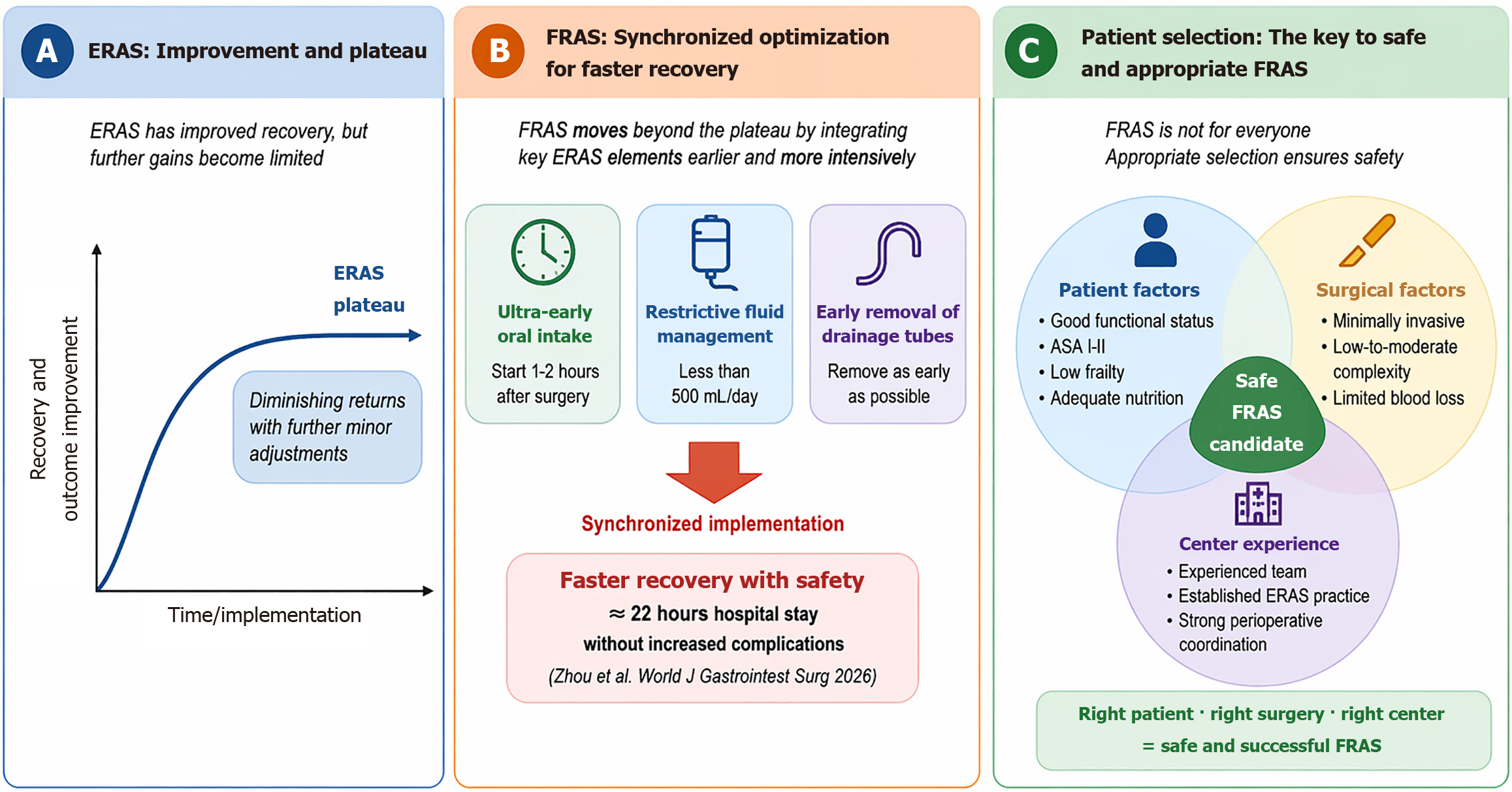
Figure 1 From enhanced recovery after surgery plateau to fastest recovery after surgery: Conceptual framework and patient selection for safe accelerated recovery.
Conceptual framework illustrating the transition from enhanced recovery after surgery (ERAS) to fastest recovery after surgery (FRAS) and the role of patient selection. A: ERAS leads to progressive improvement in postoperative recovery but eventually reaches a plateau with diminishing returns despite further optimization of individual components; B: FRAS represents a non-linear advancement beyond this plateau through synchronized implementation of perioperative interventions, including ultra-early oral intake, restrictive fluid management, and early drain removal, enabling accelerated recovery without compromising safety, as supported by recent clinical evidence; C: Safe application of FRAS depends on appropriate patient selection, integrating patient-related (e.g., functional status, American Society of Anesthesiologists class, frailty, nutritional status), surgical (e.g., minimally invasive approach, procedural complexity), and center-related factors to identify suitable candidates for accelerated recovery. ERAS: Enhanced recovery after surgery; FRAS: Fastest recovery after surgery; ASA: American Society of Anesthesiologists.
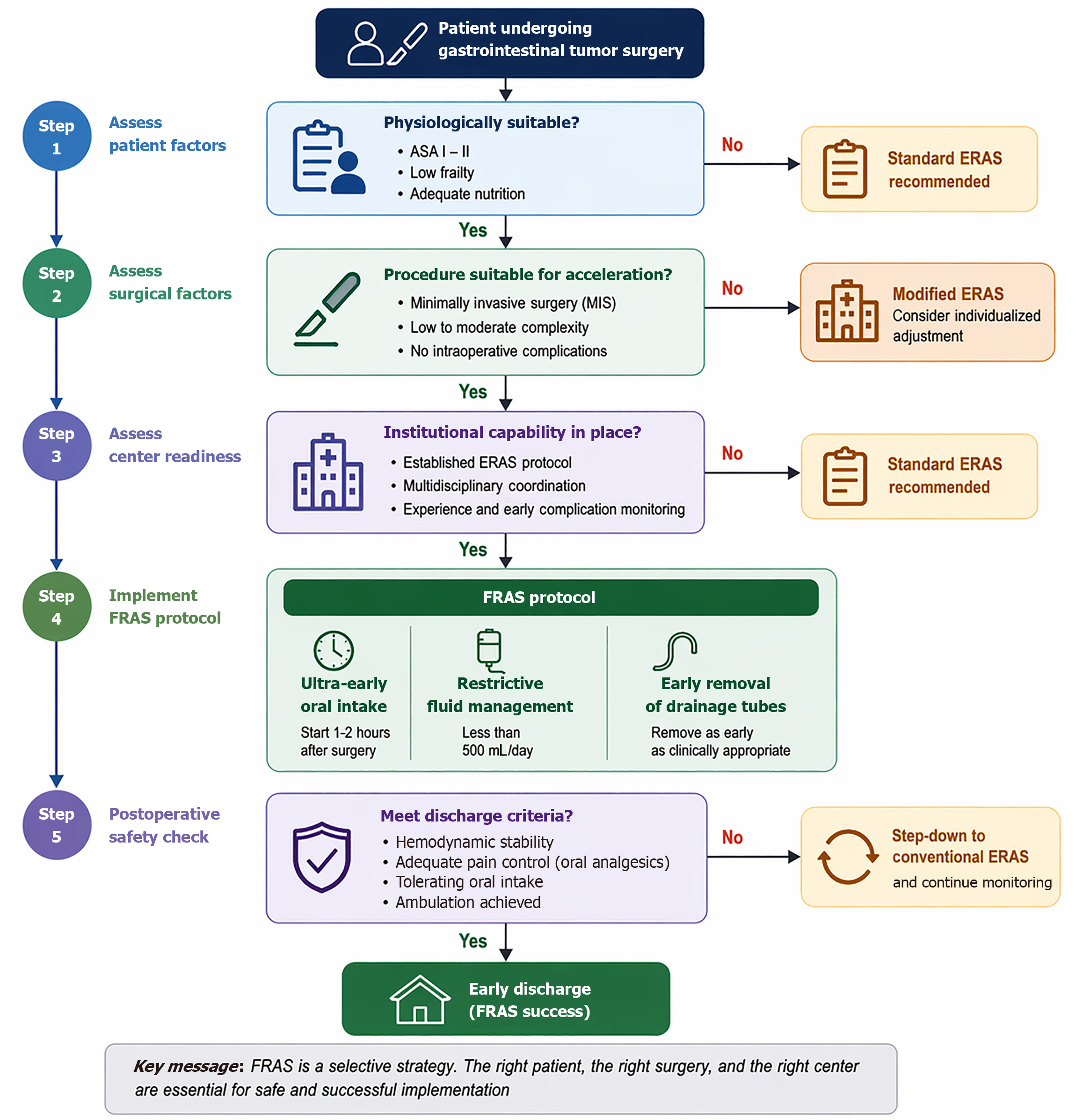
Figure 2 Clinical decision algorithm for the implementation of fastest recovery after surgery.
Stepwise clinical decision algorithm for the safe implementation of fastest recovery after surgery (FRAS). The process begins with assessment of patient-related factors, including physiological reserve, frailty status, and nutritional condition, to determine suitability for accelerated recovery. Patients meeting these criteria proceed to surgical evaluation, where procedural complexity, minimally invasive approach, and intraoperative course are considered. Institutional readiness represents a critical prerequisite and includes established enhanced recovery after surgery (ERAS) experience, multidisciplinary coordination, and the ability to detect and manage early postoperative complications. Only when all conditions are satisfied should the FRAS protocol be implemented, incorporating synchronized perioperative strategies such as ultra-early oral intake, restrictive fluid management, and early drain removal. Continuous postoperative reassessment is essential, and patients who do not meet predefined discharge criteria should be transitioned to a conventional ERAS pathway. This algorithm emphasizes that FRAS is a selective, patient-centered strategy rather than a universally applicable protocol. ERAS: Enhanced recovery after surgery; FRAS: Fastest recovery after surgery; ASA: American Society of Anesthesiologists.
- Citation: Turan B, Sabuncuoglu MZ. From enhanced recovery after surgery to fastest recovery after surgery: How fast is too fast in gastrointestinal tumor surgery? World J Gastrointest Surg 2026; 18(7): 119763
- URL: https://www.wjgnet.com/1948-9366/full/v18/i7/119763.htm
- DOI: https://dx.doi.org/10.4240/wjgs.v18.i7.119763