
















Copyright: ©Author(s) 2026.
World J Gastrointest Surg. Jun 27, 2026; 18(6): 115426
Published online Jun 27, 2026. doi: 10.4240/wjgs.115426
Published online Jun 27, 2026. doi: 10.4240/wjgs.115426
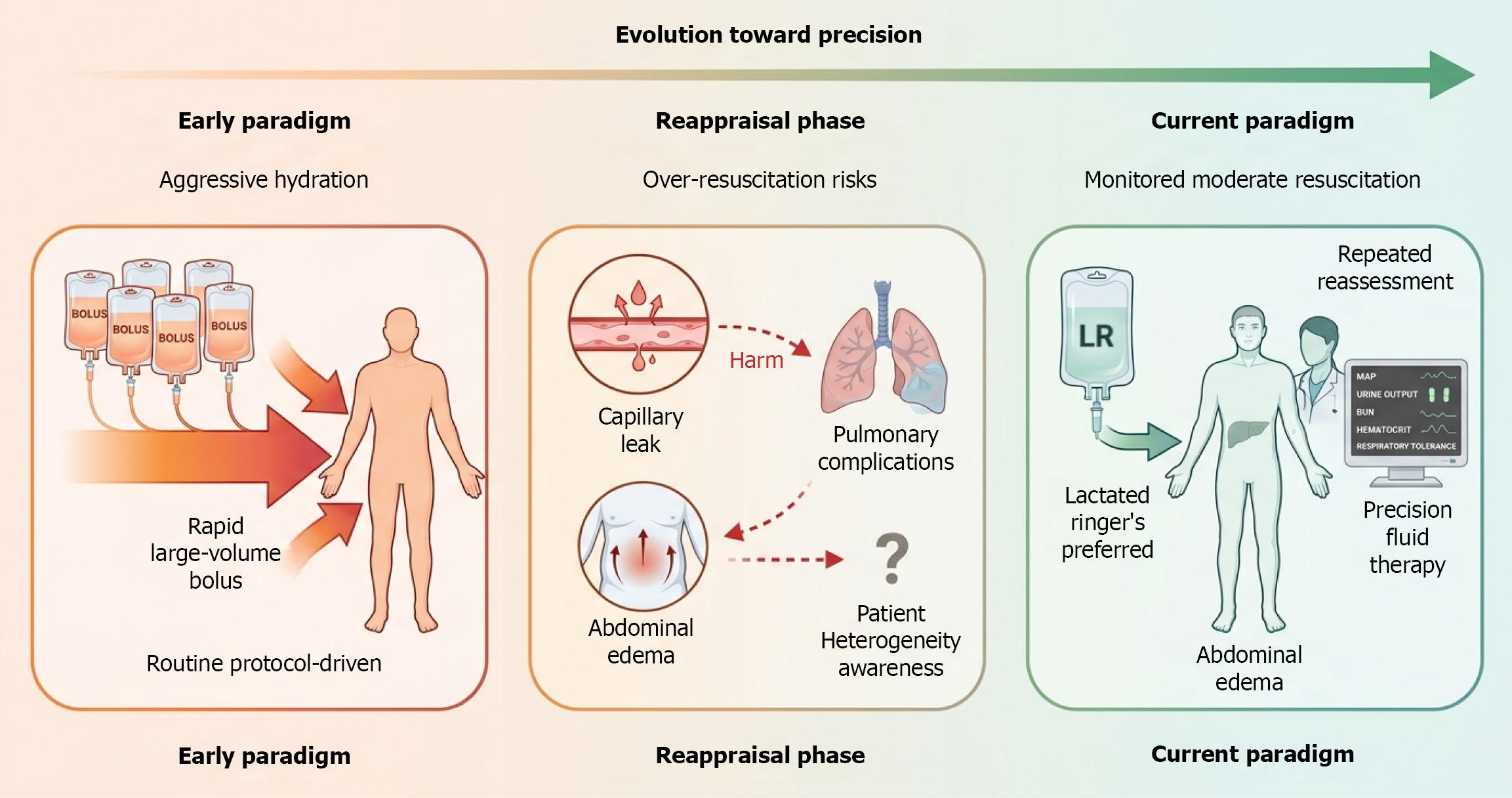
Figure 1 Evolution of fluid-resuscitation strategies in acute pancreatitis.
LR: Lactated Ringer’s solution.
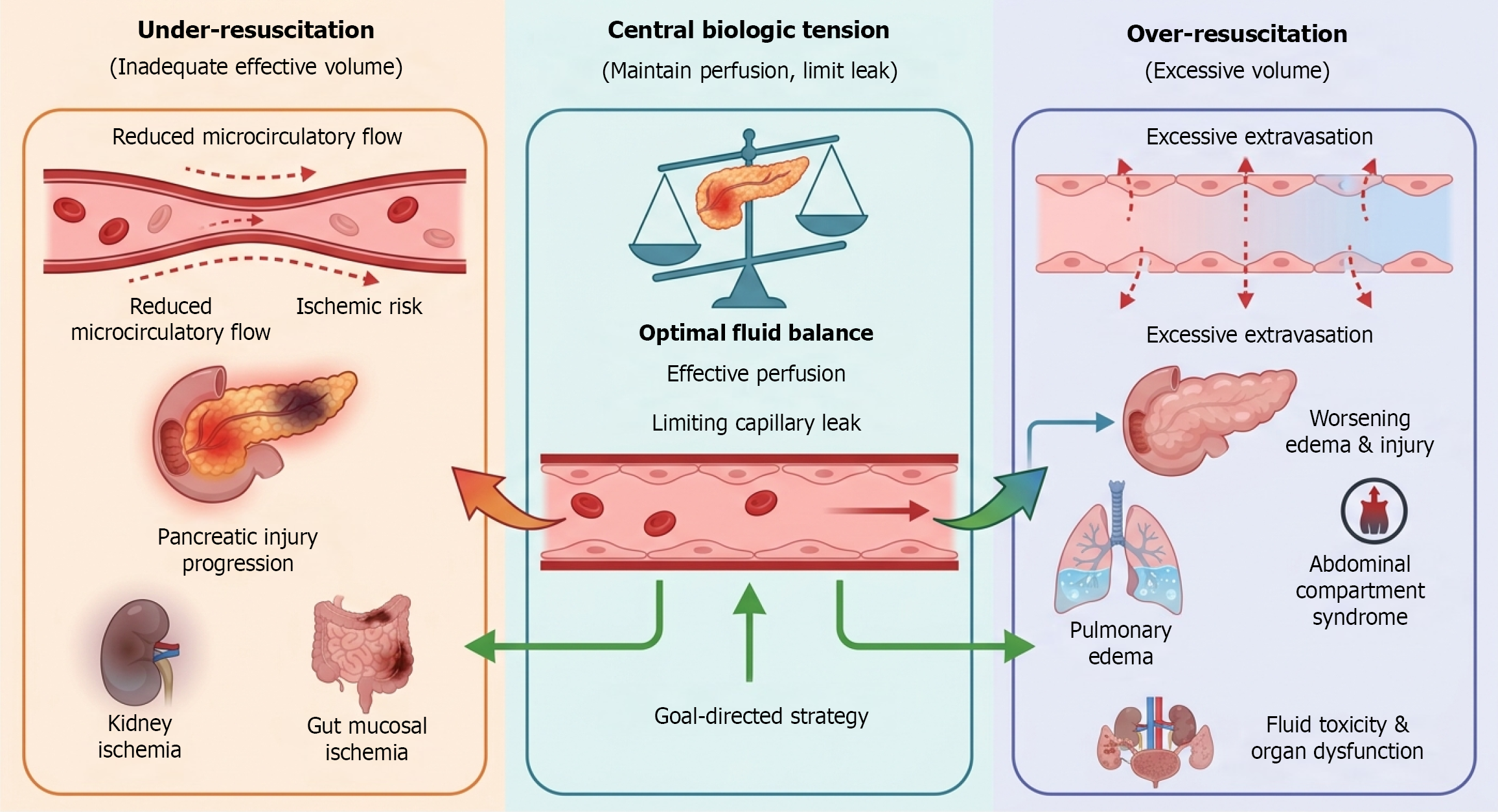
Figure 2 Under-resuscitation sustains microcirculatory ischemia, whereas over-resuscitation worsens edema and organ dysfunction; the therapeutic goal is to preserve effective perfusion while limiting capillary leak.
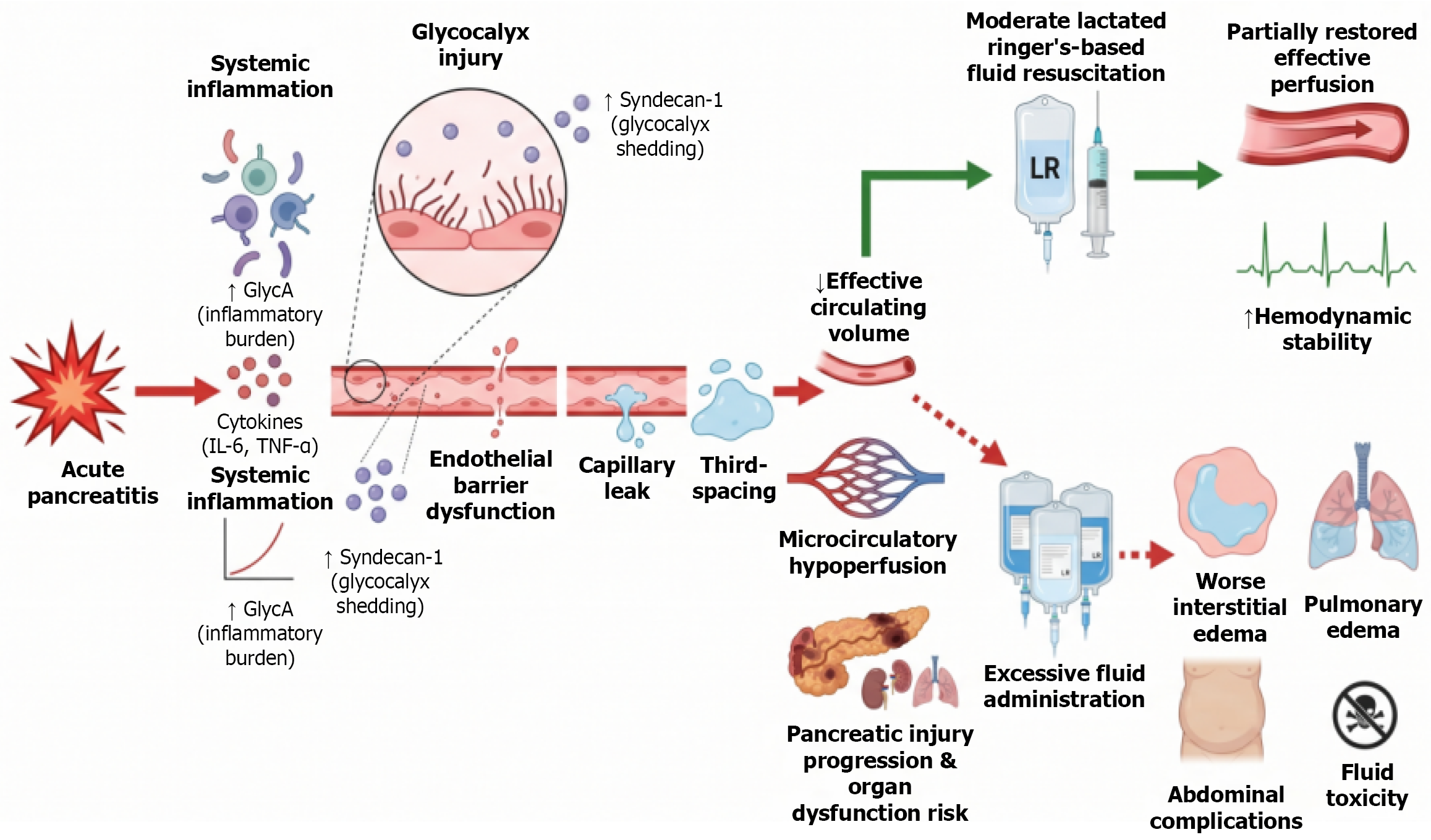
Figure 3 Endothelial and glycocalyx injury as a mechanism linking inflammation, capillary leak, reduced effective circulating volume, and fluid-related harm in acute pancreatitis.
LR: Lactated Ringer’s solution.
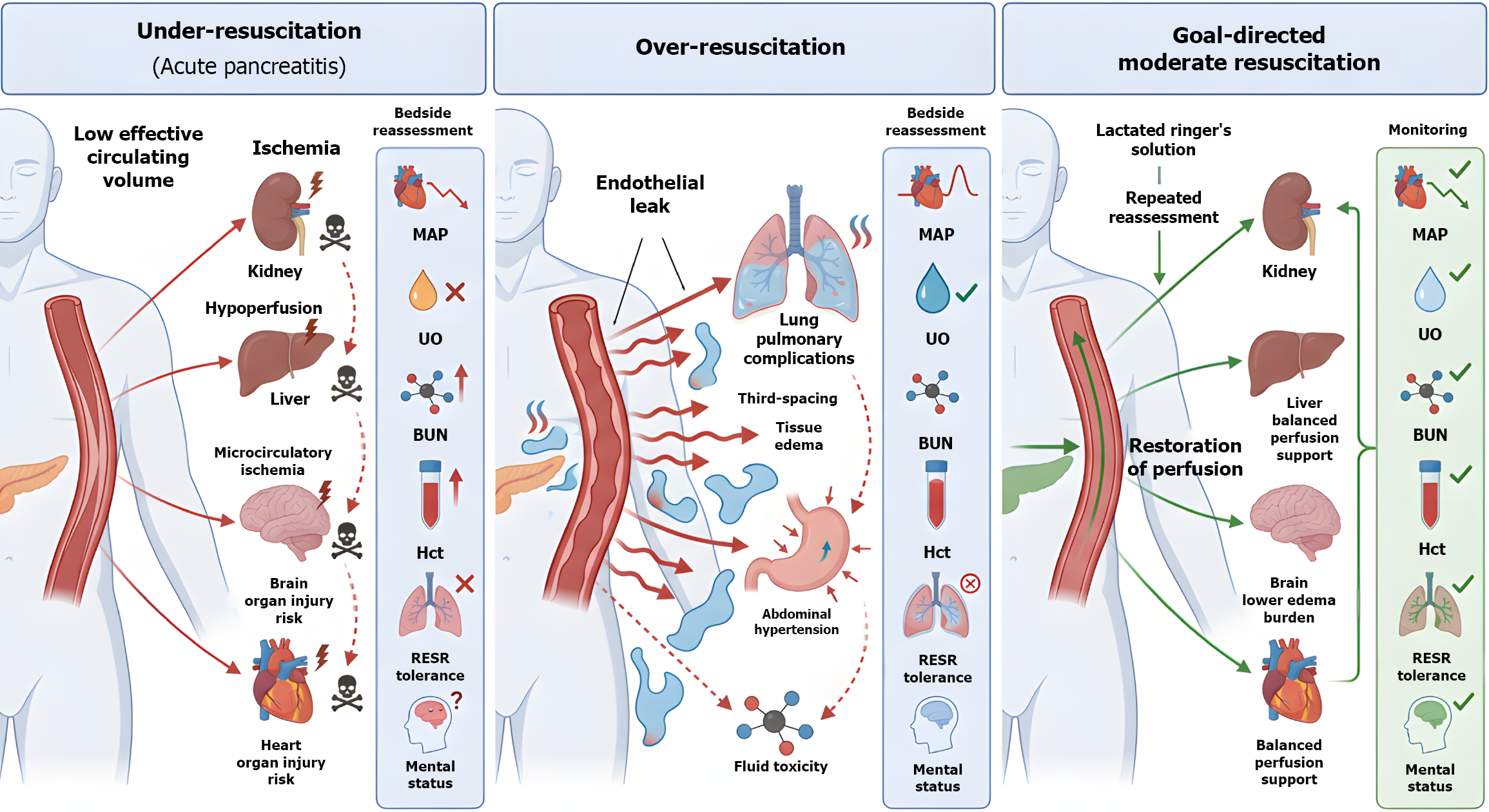
Figure 4 Organ-level consequences of under-resuscitation and over-resuscitation as well as a moderate, goal-directed approach to early fluid therapy in acute pancreatitis.
MAP: Mean arterial pressure; UO: Urine output; BUN: Blood urea nitrogen; RESR: Respiratory tolerance.
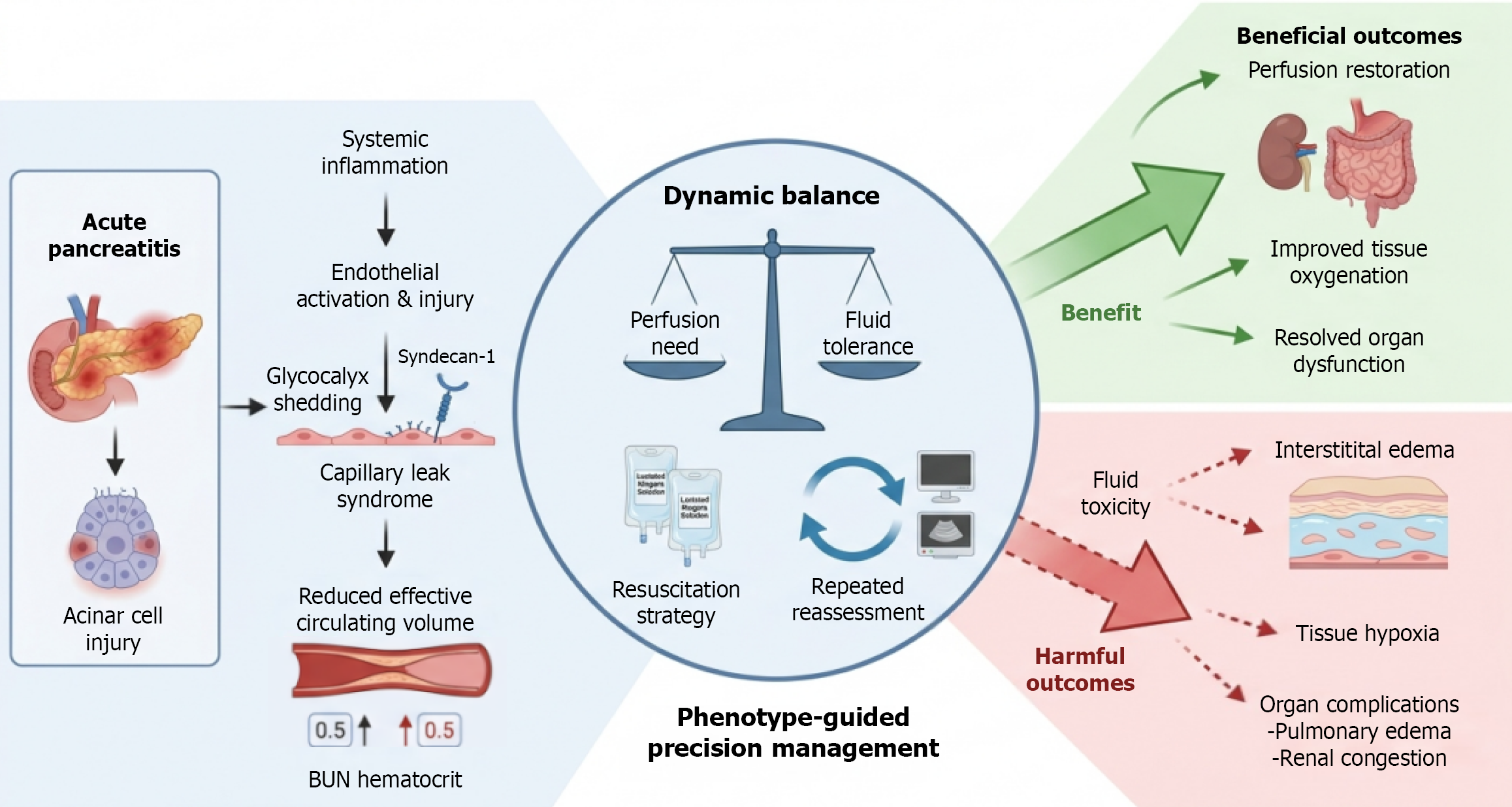
Figure 5 Dynamic balance between perfusion need and fluid tolerance in acute pancreatitis, linking vascular leak to both benefit and harm during resuscitation.
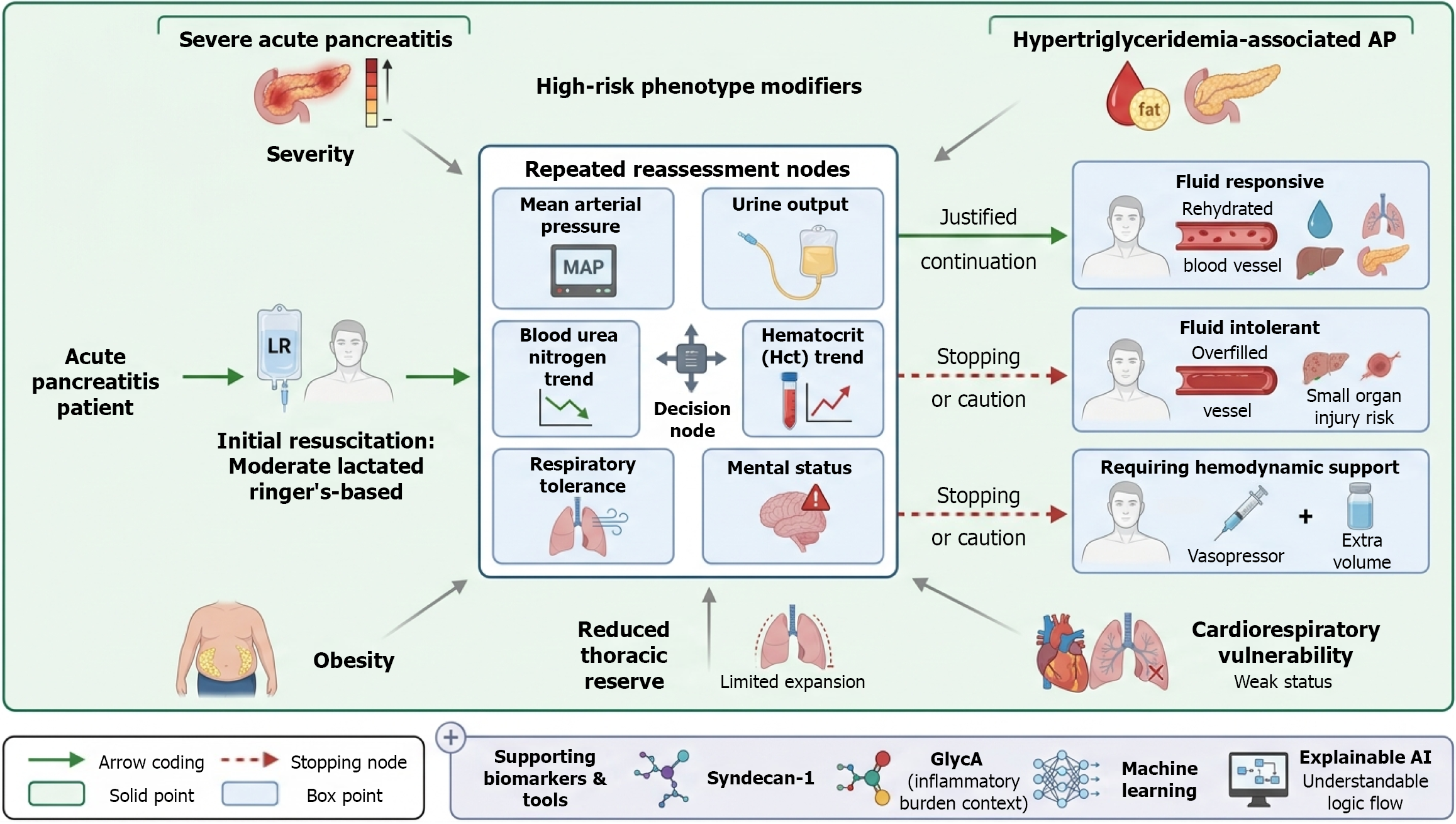
Figure 6 Phenotype-aware bedside roadmap for fluid therapy in acute pancreatitis, integrating moderate Lactated Ringer’s-based resuscitation, repeated reassessment, and recognition of fluid responsiveness or intolerance.
LR: Lactated ringer’s solution; MAP: Mean arterial pressure; AP: Acute pancreatitis; AI: Artificial intelligence.
- Citation: Li XM, Tao YR, Chen JQ, Chen Y. Evolution of early fluid therapy in acute pancreatitis: Balancing perfusion needs with fluid toxicity. World J Gastrointest Surg 2026; 18(6): 115426
- URL: https://www.wjgnet.com/1948-9366/full/v18/i6/115426.htm
- DOI: https://dx.doi.org/10.4240/wjgs.115426