
















Copyright: ©Author(s) 2026.
World J Gastrointest Surg. May 27, 2026; 18(5): 117518
Published online May 27, 2026. doi: 10.4240/wjgs.v18.i5.117518
Published online May 27, 2026. doi: 10.4240/wjgs.v18.i5.117518
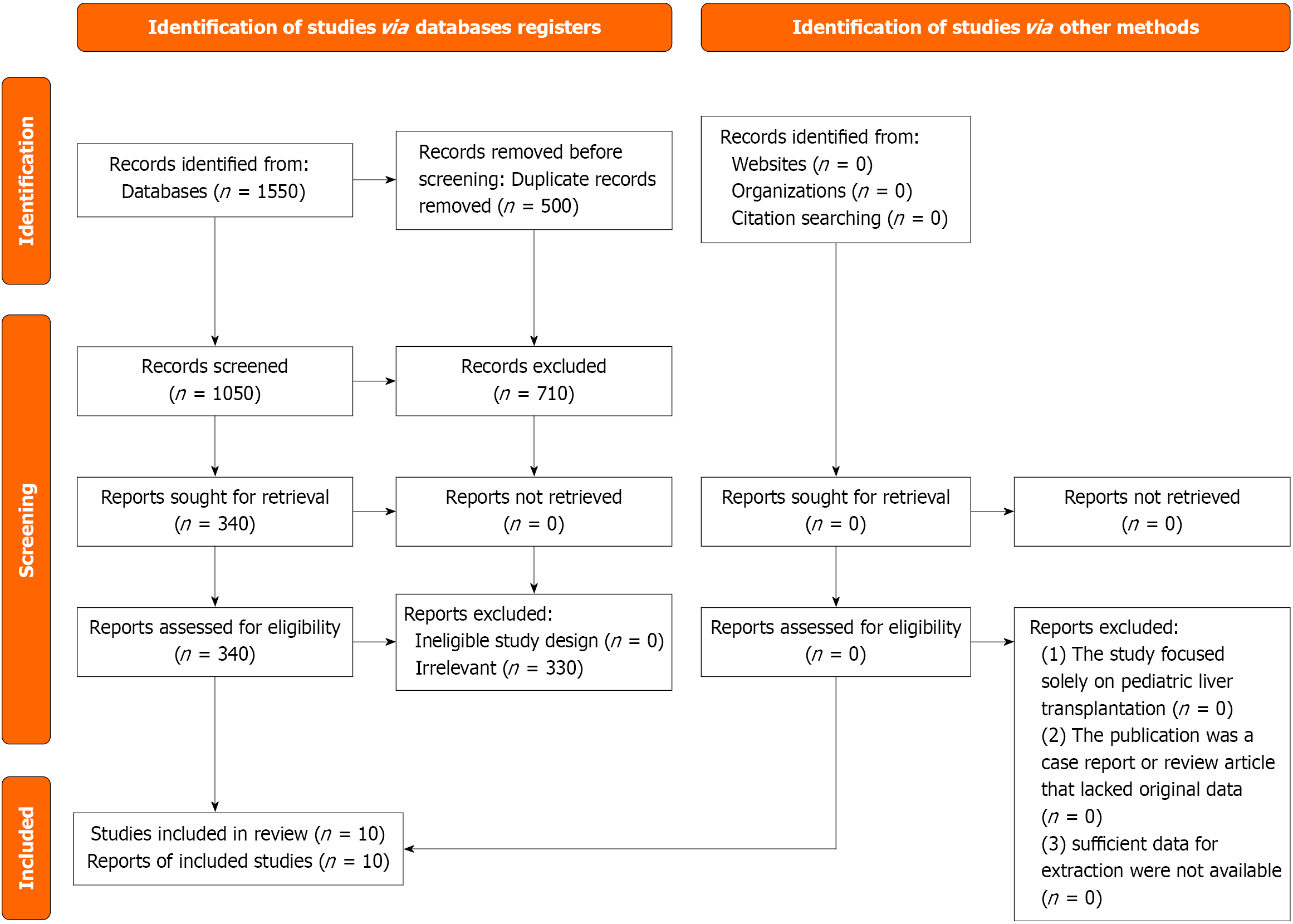
Figure 1 Preferred Reporting Items for Systematic Reviews and Meta-analyses flowchart depicting the study selection process.
An illustration of the Preferred Reporting Items for Systematic Reviews and Meta-analyses flowchart outlining the selection process of the studies used in the study. The number of records identified through database searches, screened, assessed for eligibility and included in the final analysis are detailed. Reasons for exclusion at each stage are provided.
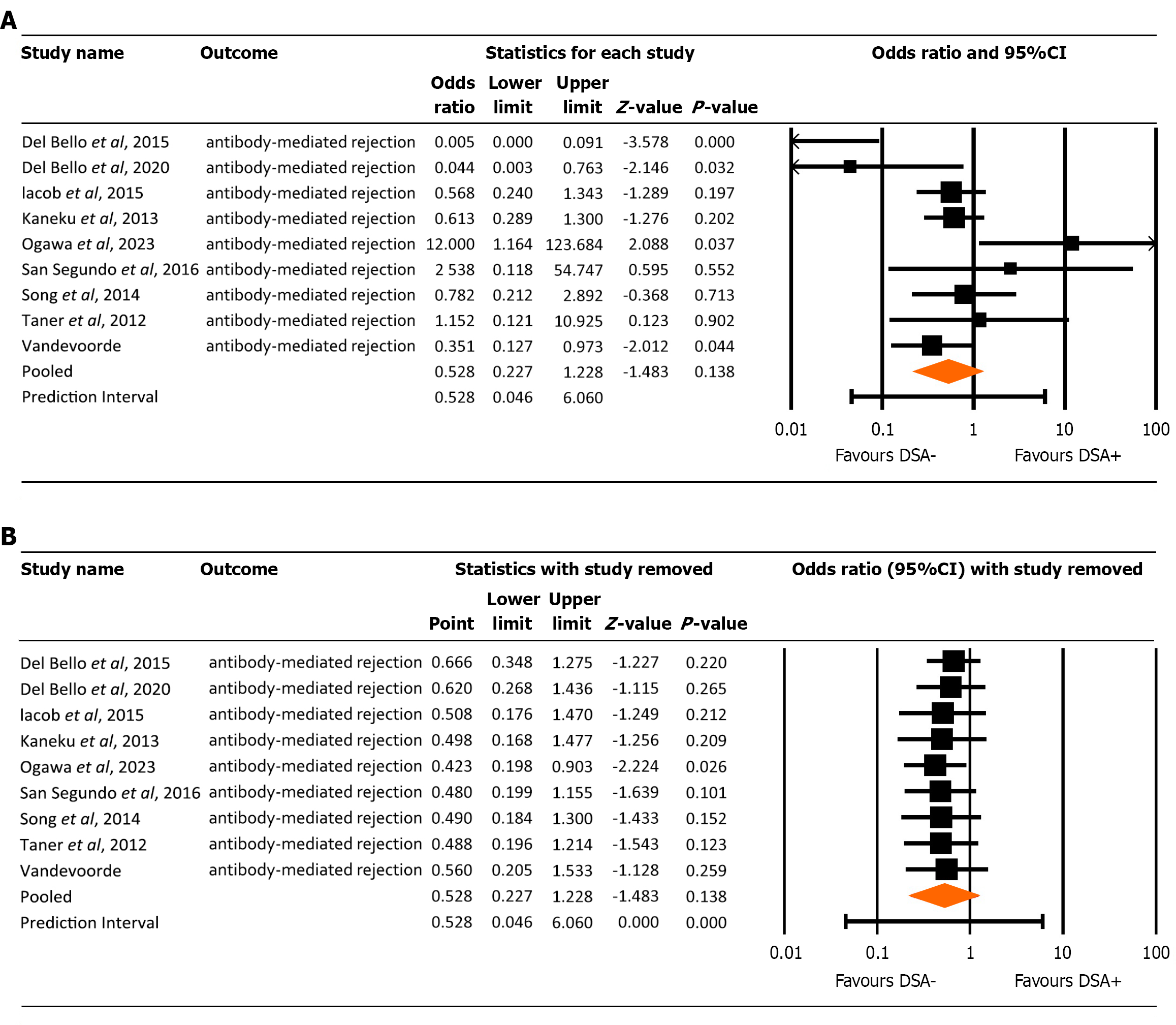
Figure 2 Forest plot.
A: A forest plot of the meta-analysis showing odds ratios and 95% confidence intervals for the association between donor-specific antibodies and antibody-mediated rejection. Odds ratios and 95% confidence intervals for each study, as well as the pooled odds ratio and prediction interval from the meta-analysis demonstrated in a forest plot; B: Leave-one-out sensitivity analysis of the association between donor-specific antibodies and antibody-mediated rejection. Odds ratios and 95% confidence intervals for each study, as well as the pooled odds ratio with one study removed from a leave-one-out meta-analysis. DSA: Donor-specific antibody; CI: Confidence interval.
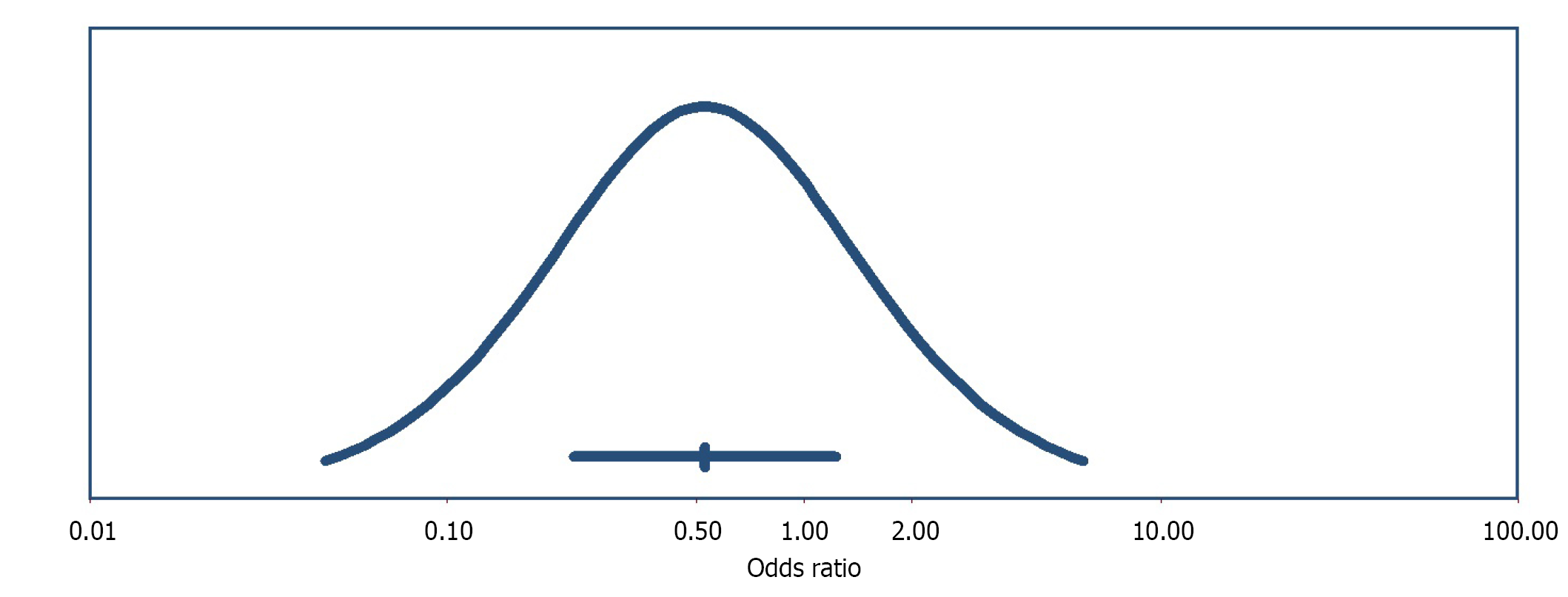
Figure 3 Distribution of true effect sizes for the association between donor-specific antibodies and antibody-mediated rejection.
Mean effect size was 0.53 with a 95% confidence interval of 0.23-1.23. The true effect size in 95% of all comparable populations fell in the interval of 0.05-6.06.
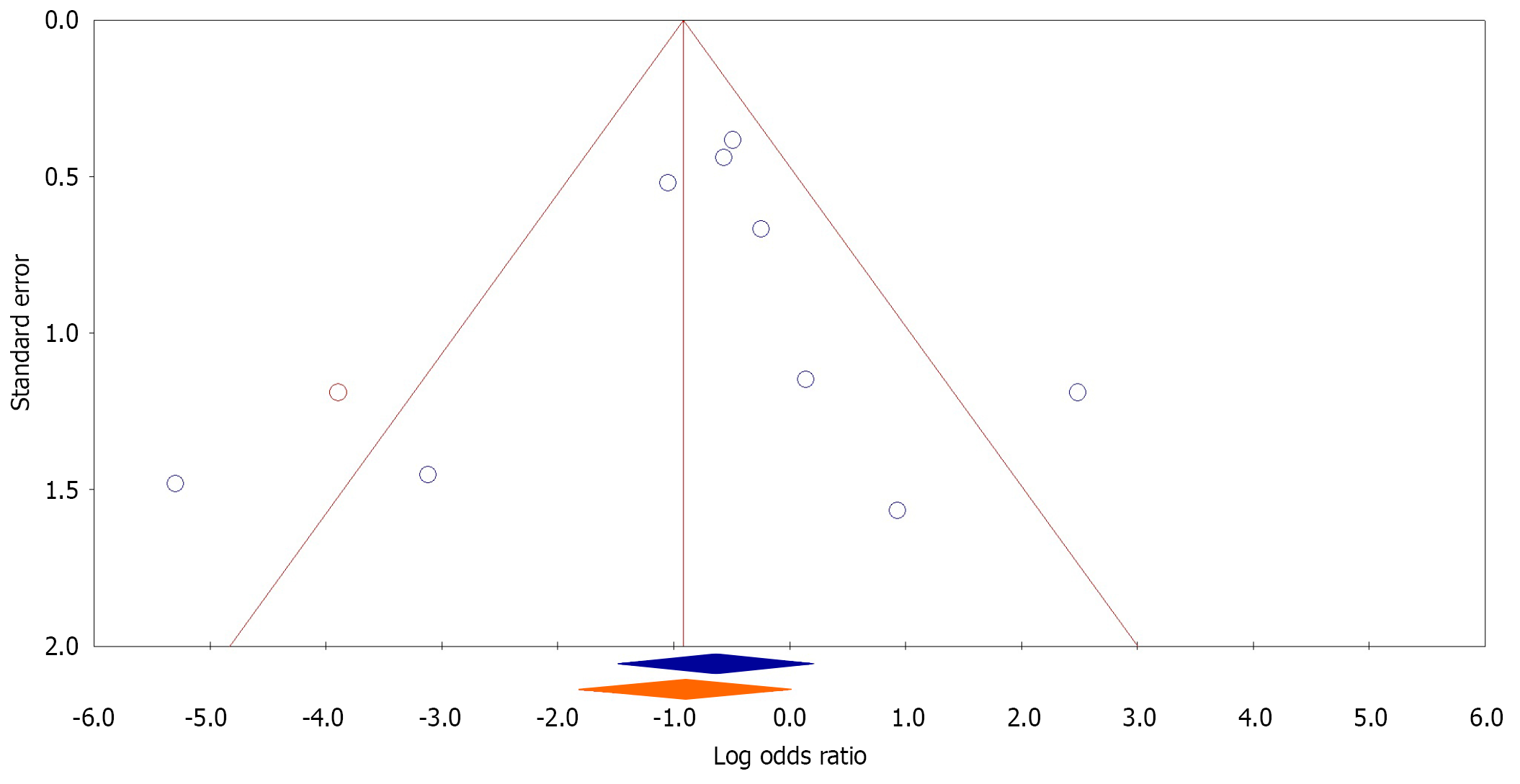
Figure 4 Funnel plot assessing publication bias in studies investigating the association between donor-specific antibodies and antibody-mediated rejection.
Possibility of publication bias in the meta-analysis was assessed using a funnel plot. The standard error was plotted against the log odds ratio for each study.
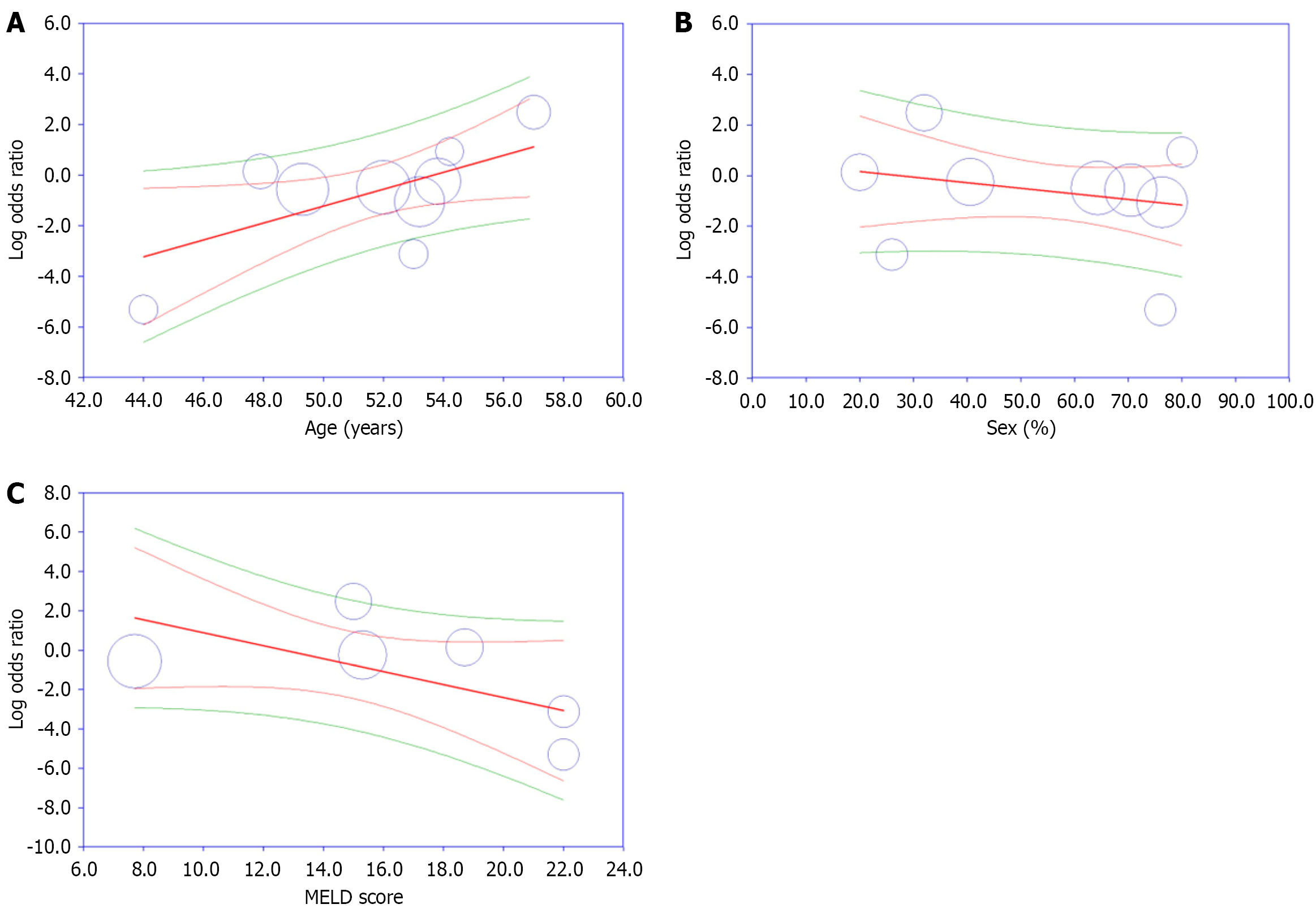
Figure 5 Meta-regression analyses of log odds ratio on covariates.
Meta-regression analyses were used to investigate the association between log odds ratios and various covariates. A: Regression of log odds ratio on age; B: Regression of log odds ratio on sex; C: Regression of log odds ratio on Model for End-Stage Liver Disease score. Each plot includes a regression line (red line) with 95% confidence intervals (green lines). MELD: Model for End-Stage Liver Disease.
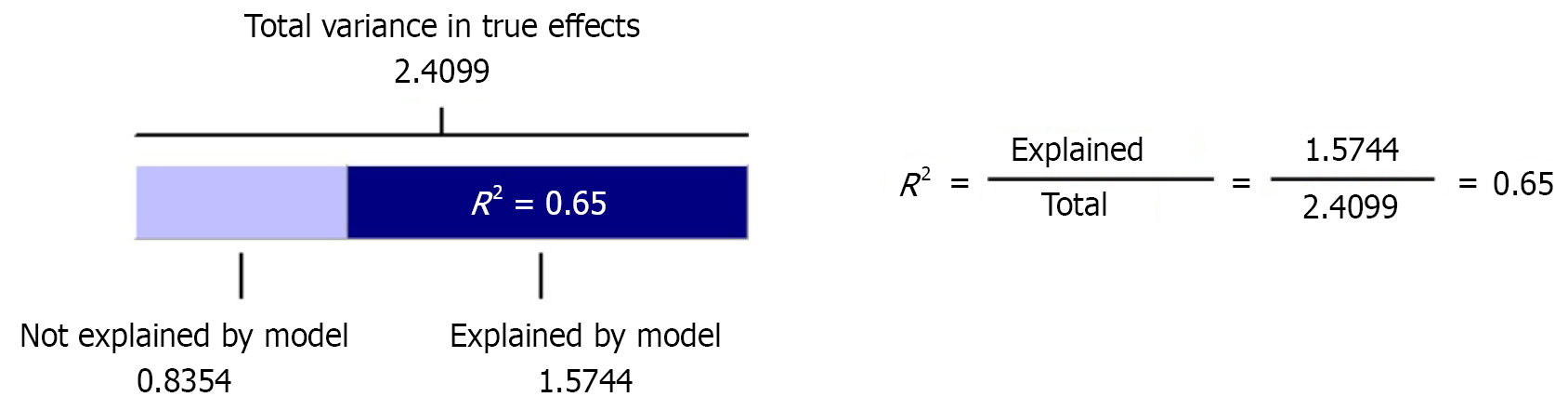
Figure 6 Proportion of variance in true effects using the model.
Proportion of total variance in true effects (2.409) that was explained (1.574) and not explained (0.835) by the model. The R2 quantified the proportion of variance explained by the model. R2: Coefficient of determination.
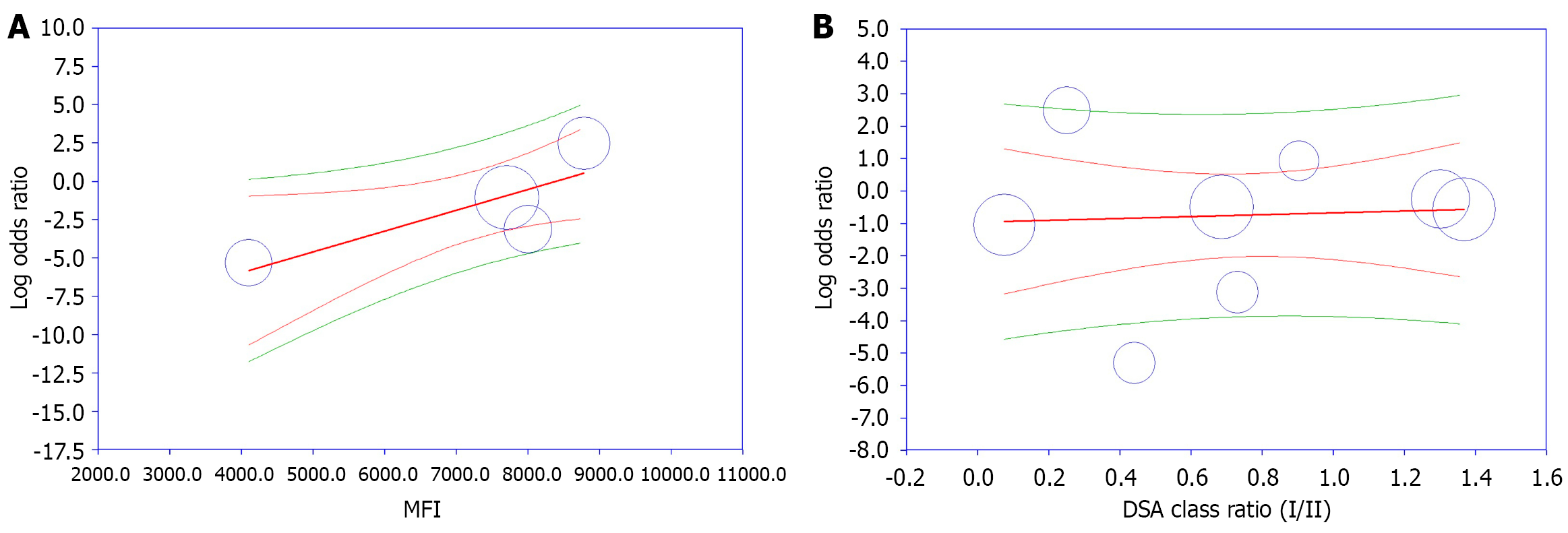
Figure 7 Meta-regression analyses of log odds ratio on covariates.
Meta-regression analyses were used to investigate the association between log odds ratios and various covariates. A: Regression of log odds ratio on mean fluorescence intensity; B: Regression of log odds ratio on donor-specific antibodies class ratio (class I/II). Each plot includes a regression line (red line) with 95% confidence intervals (green lines). MFI: Mean fluorescence intensity; DSA: Donor-specific antibody.
- Citation: Zhang LY, Ling YH, Zhang HQ, Tang CW, Mo QL. Impact of donor-specific antibodies on immune rejection rates in liver transplantation: A systematic review and meta-analysis. World J Gastrointest Surg 2026; 18(5): 117518
- URL: https://www.wjgnet.com/1948-9366/full/v18/i5/117518.htm
- DOI: https://dx.doi.org/10.4240/wjgs.v18.i5.117518