
















Copyright: ©Author(s) 2026.
World J Gastrointest Surg. Mar 27, 2026; 18(3): 113773
Published online Mar 27, 2026. doi: 10.4240/wjgs.v18.i3.113773
Published online Mar 27, 2026. doi: 10.4240/wjgs.v18.i3.113773
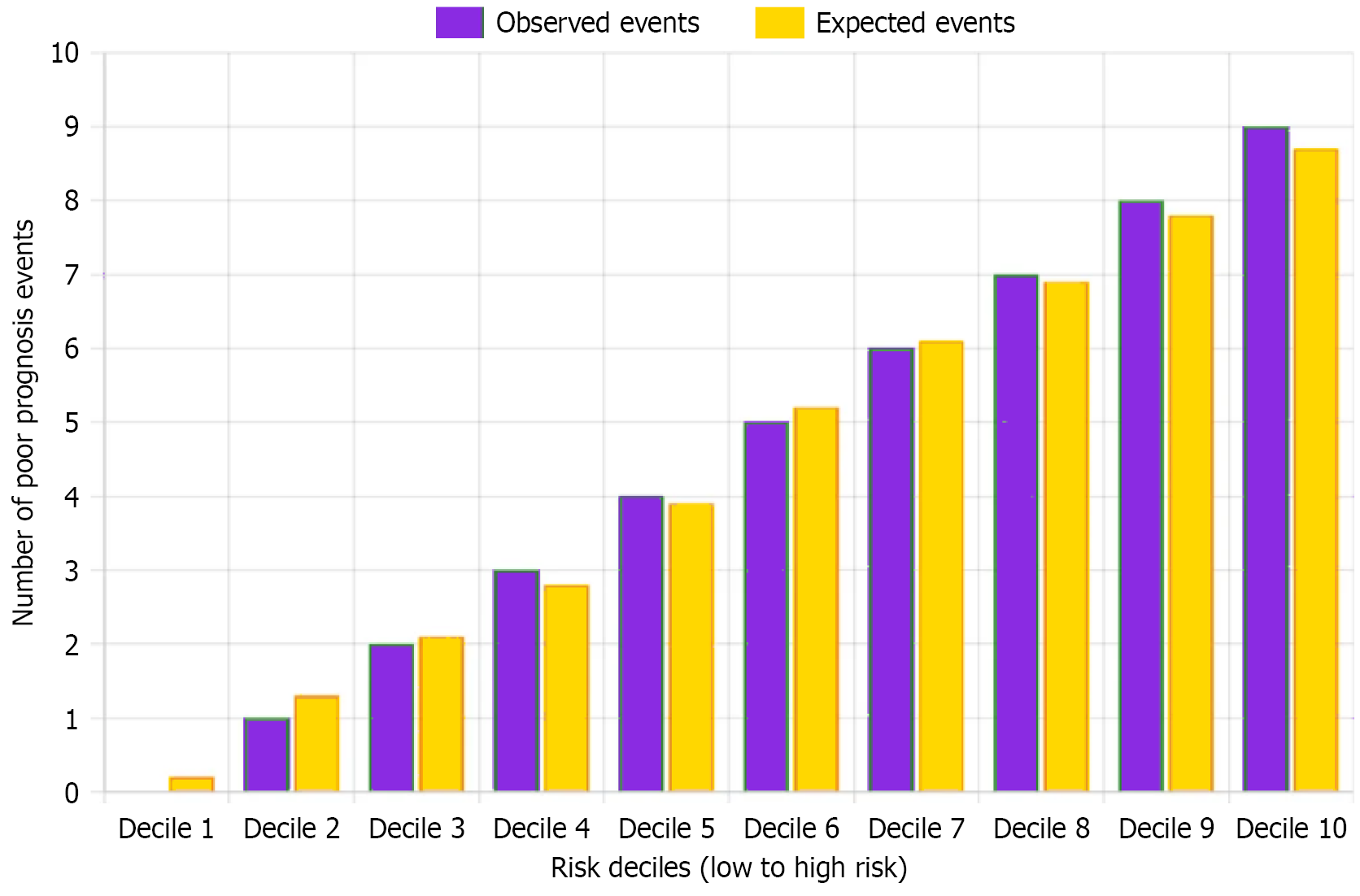
Figure 1 Hosmer-Lemeshow goodness-of-fit test for model calibration: Comparison of observed vs expected events across risk deciles.
The bar chart displays the number of new psoriasis events (Y-axis) stratified by predicted risk deciles from lowest (decile 1) to highest (decile 10) risk. Green bars represent observed events while orange bars represent expected events based on the prediction model. The plot demonstrates good calibration, with observed and expected events closely aligned across all risk strata, and a clear risk gradient showing increasing event rates from low-risk to high-risk deciles.
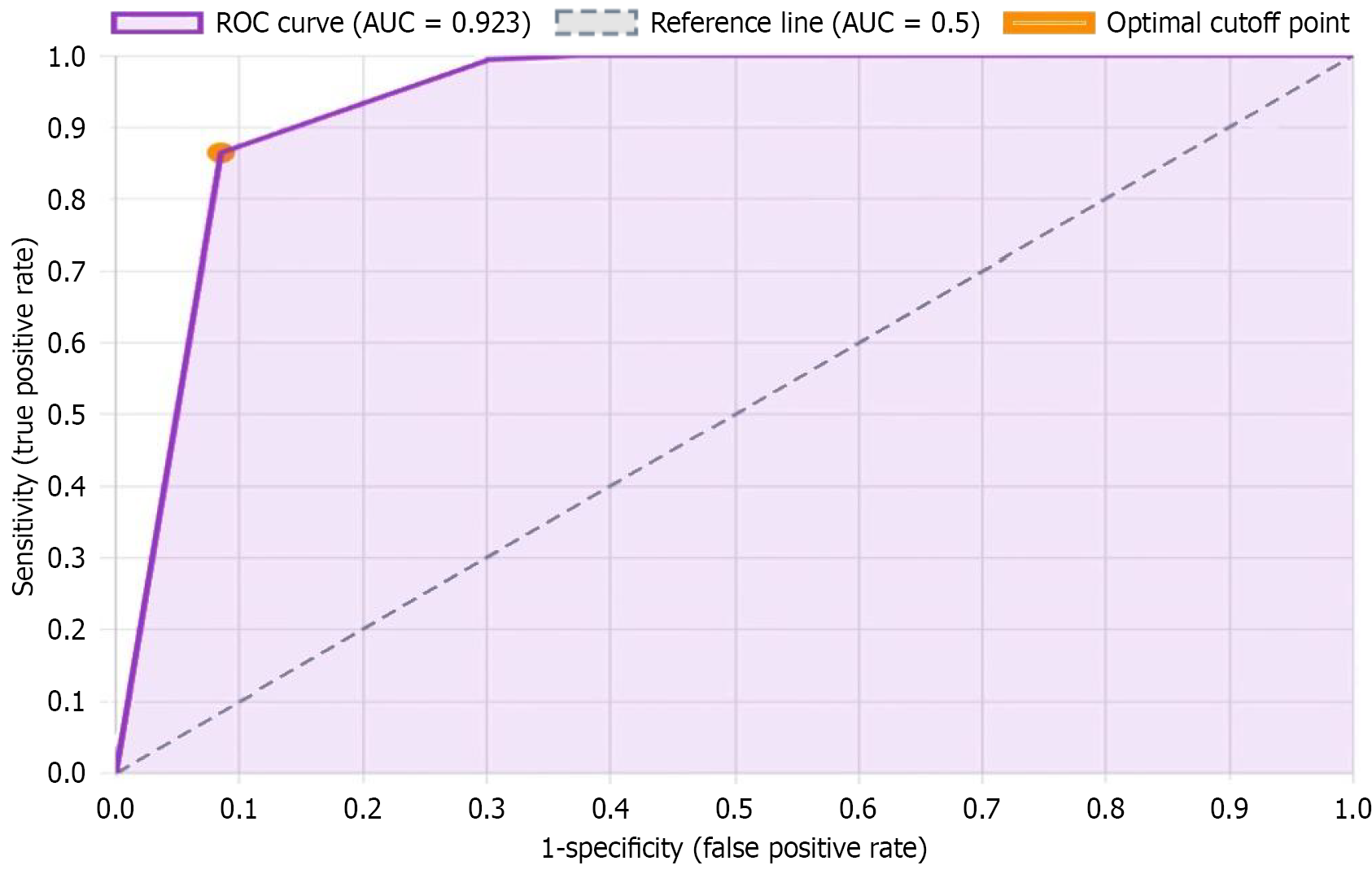
Figure 2 Receiver operating characteristic curve of the combined prediction model: Diagnostic performance analysis.
The purple curve demonstrates model discrimination performance with an area under the curve of 0.923, indicating excellent predictive accuracy. The diagonal dashed line represents random chance (area under the curve = 0.5). The orange point marks the optimal cutoff threshold that maximizes the balance between sensitivity (true positive rate, Y-axis) and specificity (1 minus false positive rate, X-axis) for clinical risk classification. ROC: Receiver operating characteristic; AUC: Area under the curve.
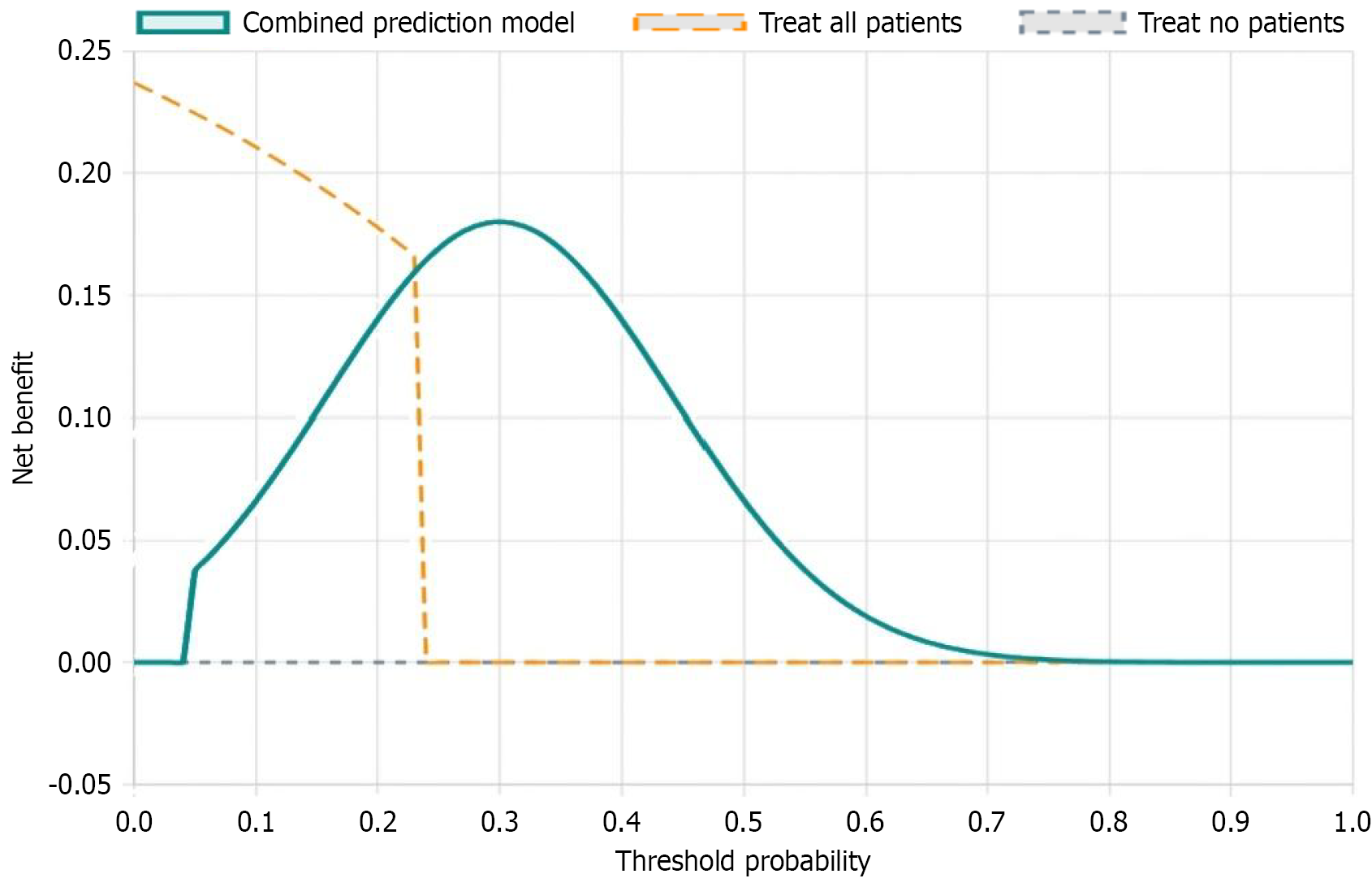
Figure 3 Decision curve analysis of clinical net benefit: Comparison of treatment strategies across threshold probabilities.
The teal curve represents the net benefit (Y-axis) of using the prediction model to guide treatment decisions across different threshold probabilities (X-axis). The orange dashed line shows the strategy of treating all patients, while the gray dashed line represents treating no patients. The model demonstrates positive net benefit compared to both default strategies across threshold probabilities ranging from approximately 0.05 to 0.65, with peak net benefit observed at a threshold probability of about 0.25, indicating substantial clinical value for risk-based decision making.
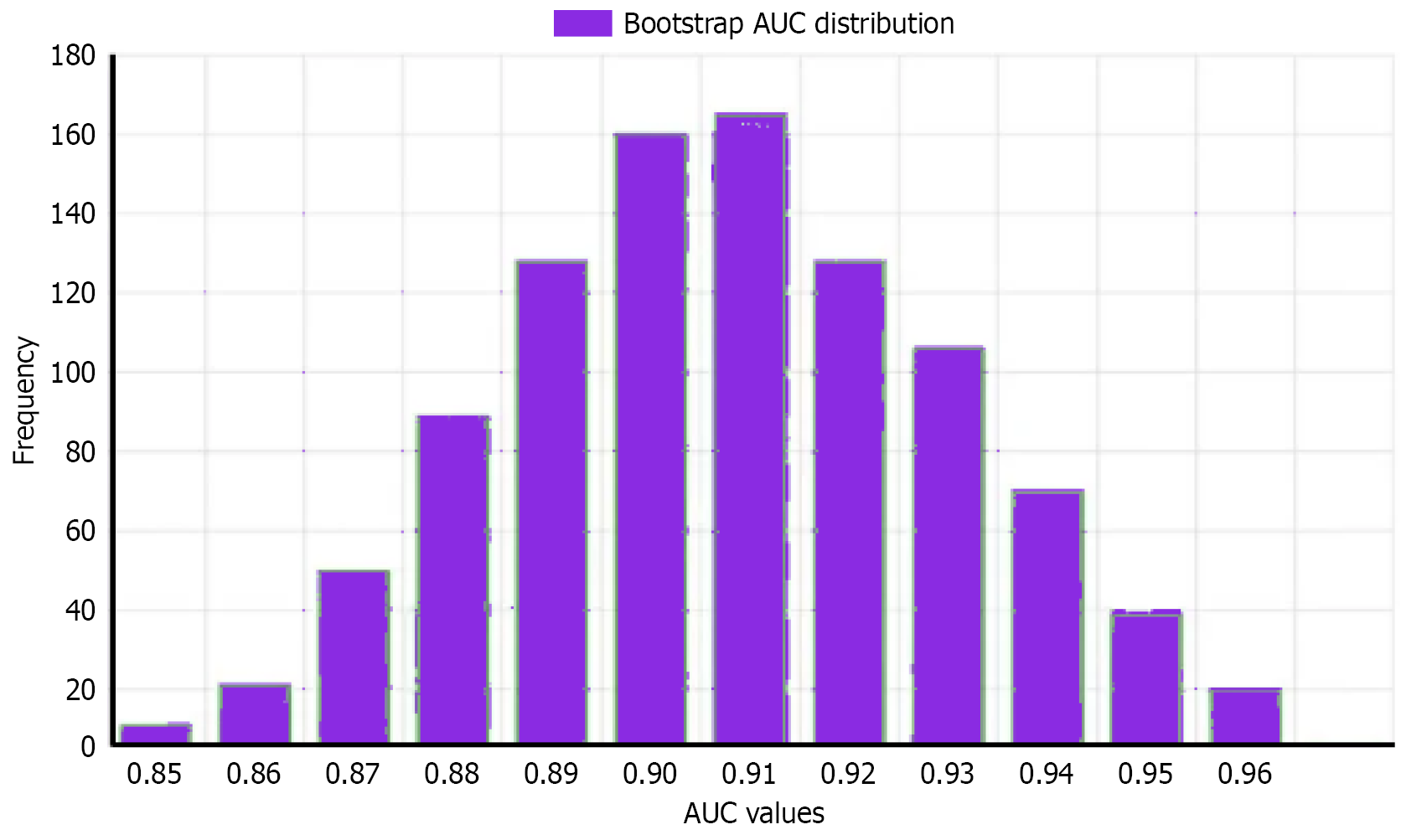
Figure 4 Bootstrap internal validation results (1000 iterations): Distribution of area under the curve values from bootstrap resampling.
The histogram displays the distribution of area under the curve values obtained from 1000 bootstrap resamples. The distribution is approximately normal and centered around 0.90-0.91, with values ranging from 0.85 to 0.97. This internal validation demonstrates the stability and robustness of the model’s discriminative ability, with consistently high area under the curve values across bootstrap iterations confirming reliable predictive performance. AUC: Area under the curve.
- Citation: Yin H, Liu Y, Chen JT, Li Z, Pan Y, Zhu F. Predictive value of serum biochemical indicators combined with imaging scores for prognosis of traumatic liver rupture. World J Gastrointest Surg 2026; 18(3): 113773
- URL: https://www.wjgnet.com/1948-9366/full/v18/i3/113773.htm
- DOI: https://dx.doi.org/10.4240/wjgs.v18.i3.113773