
















Copyright: ©Author(s) 2026.
World J Gastrointest Surg. Oct 27, 2026; 18(10): 123763
Published online Oct 27, 2026. doi: 10.4240/wjgs.123763
Published online Oct 27, 2026. doi: 10.4240/wjgs.123763
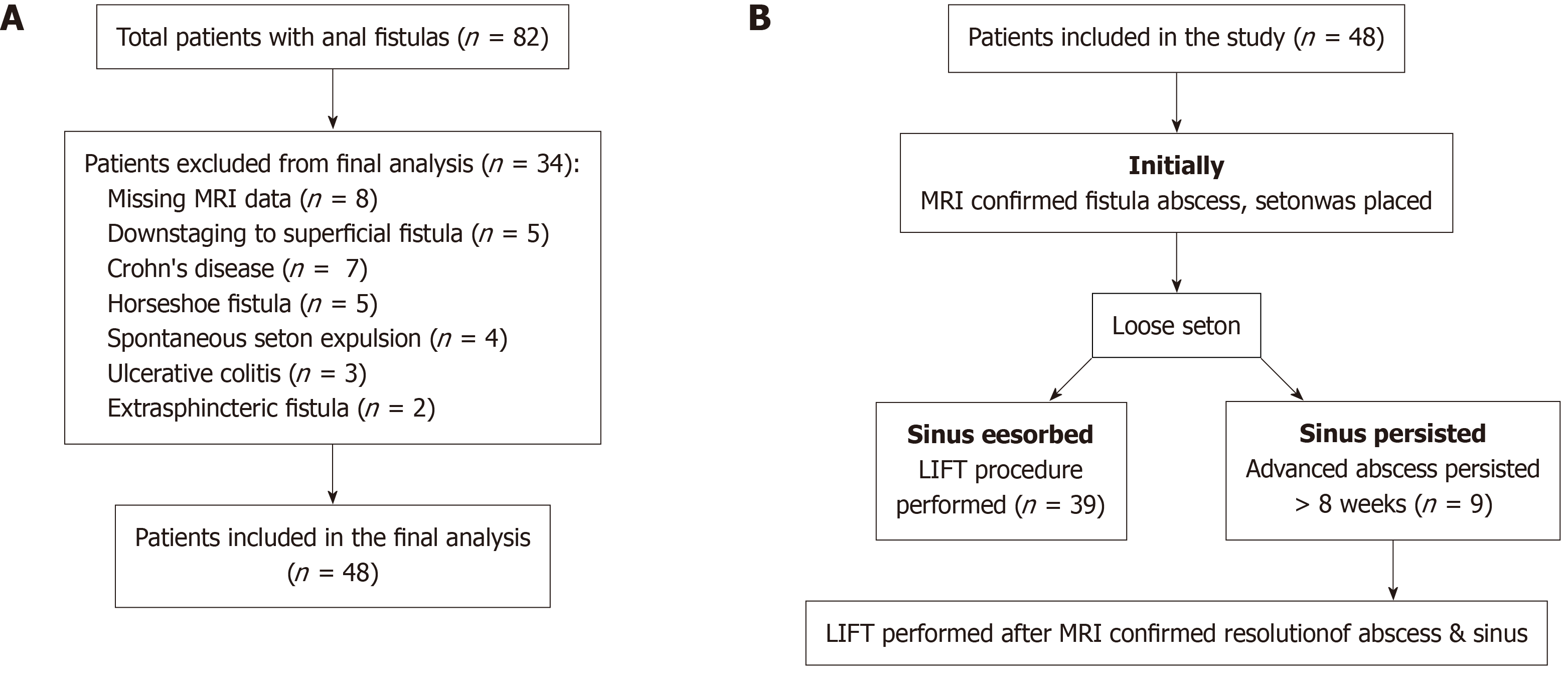
Figure 1 Patient selection and study flow.
A: Patient selection flowchart; B: Study design flowchart. MRI: Magnetic resonance imaging; LIFT: Ligation of intersphincteric fistula tract.
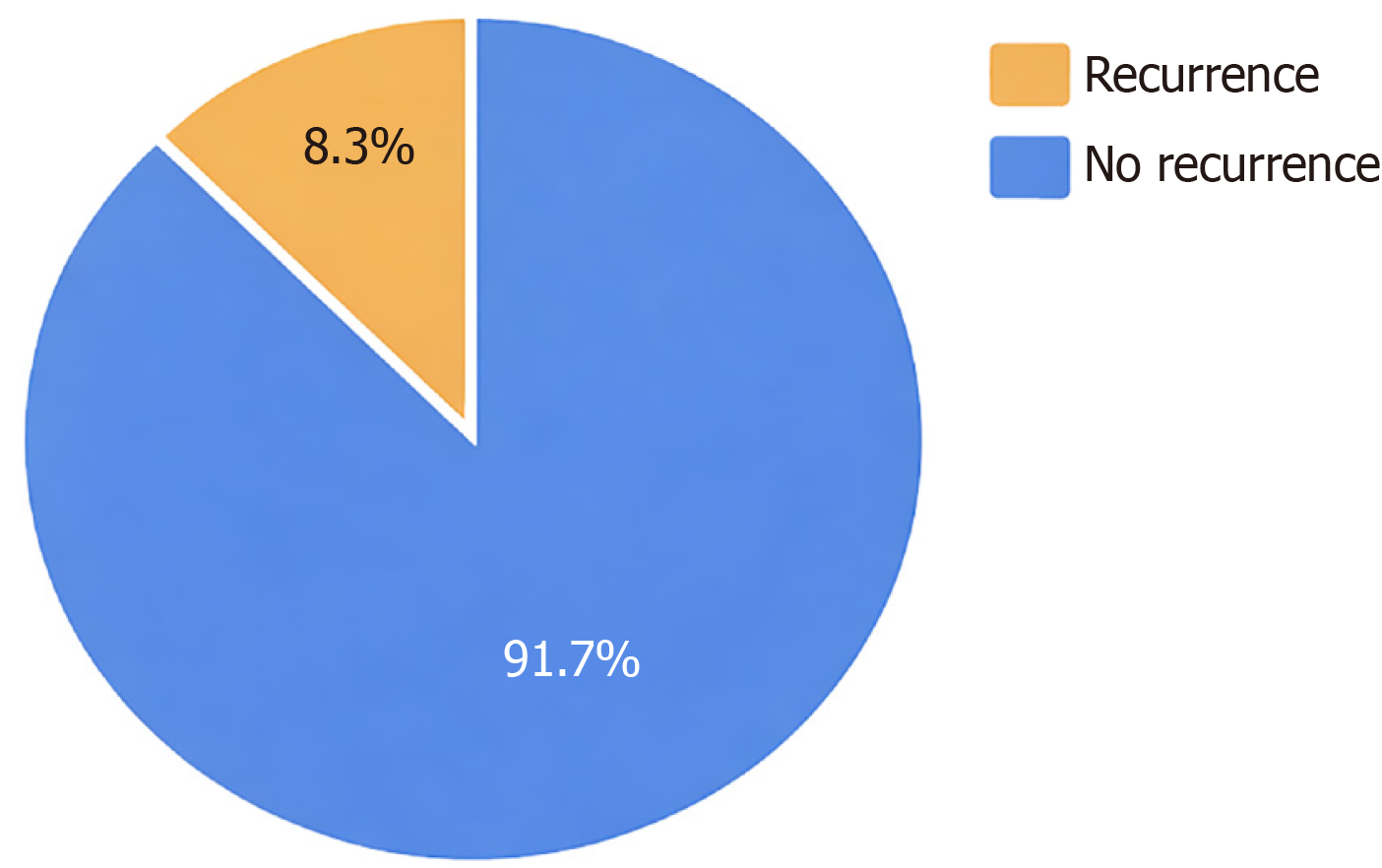
Figure 2 Recurrence rate.
Overall recurrence rate following the ligation of intersphincteric fistula tract procedure in the study cohort. Recurrence was observed in 4 of the 48 patients (8.3%).
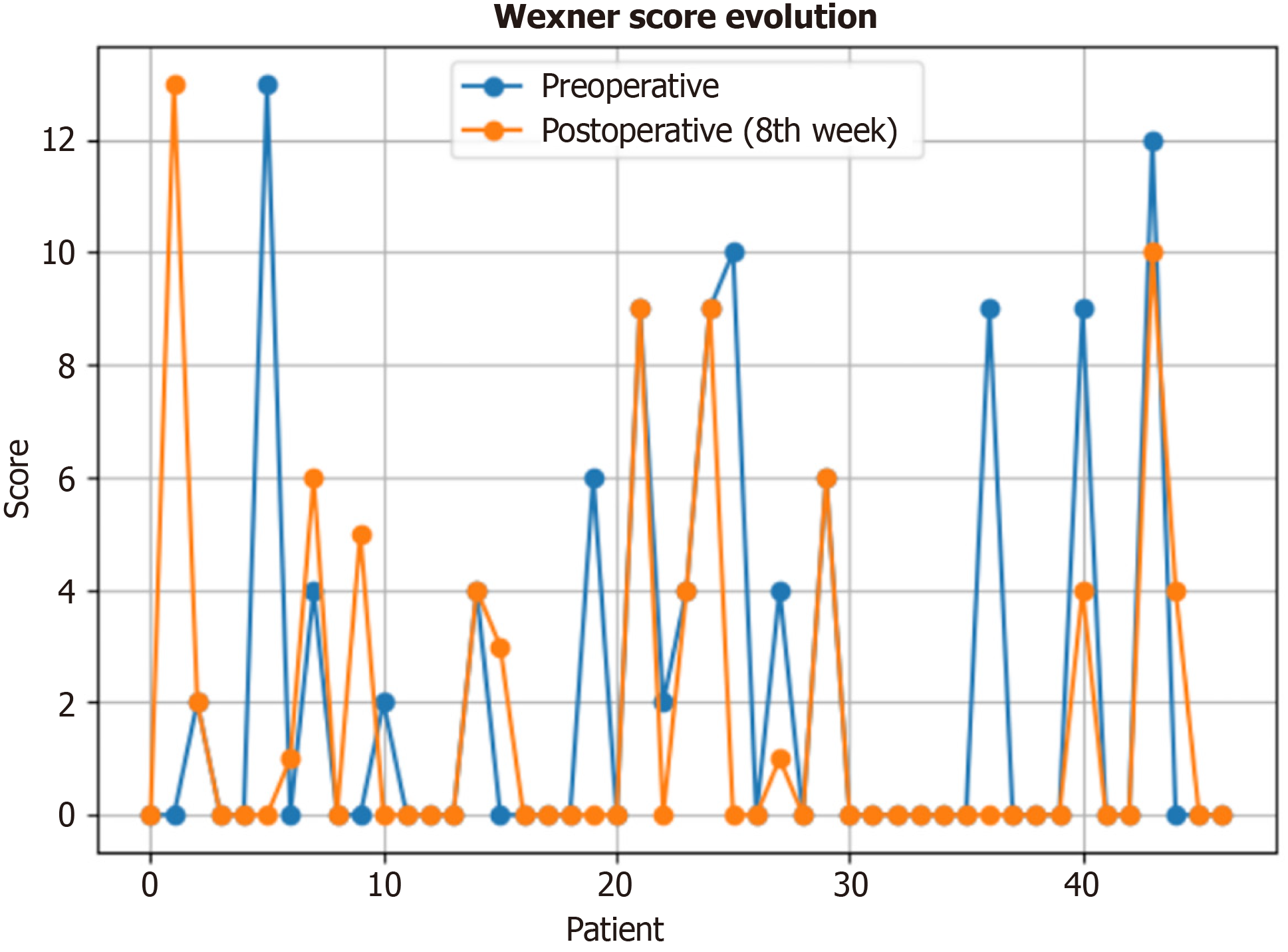
Figure 3 Distribution of Wexner incontinence scores before and after the ligation of intersphincteric fistula tract, commonly referred to as ligation of intersphincteric fistula tract procedure.
Boxplots demonstrate preoperative and postoperative Wexner scores. Median values and interquartile ranges are shown. No statistically significant difference was observed between the two measurements (Wilcoxon signed-rank test, P = 0.33).
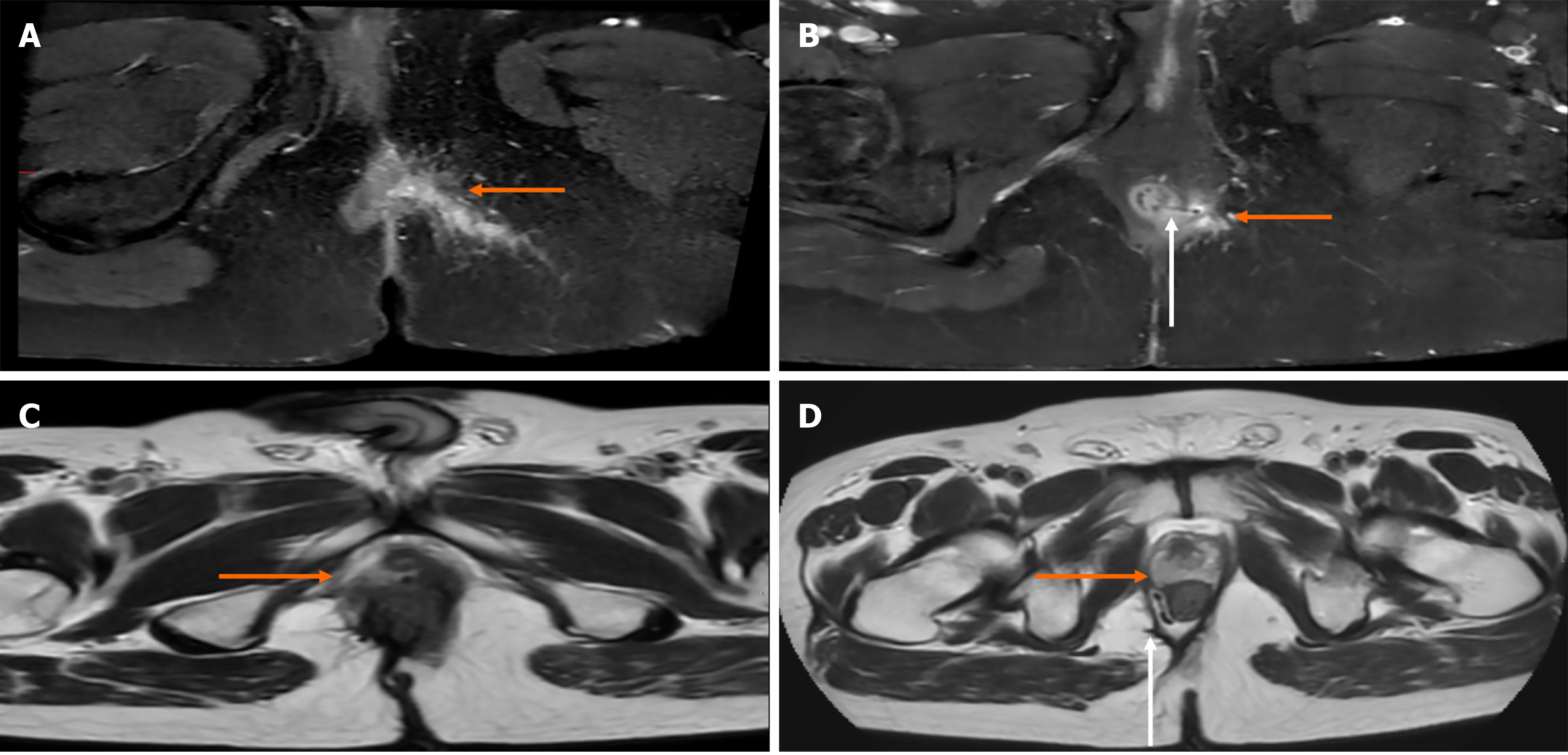
Figure 4 Pre- and post-seton pelvic magnetic resonance imaging illustrating abscess cavity evolution in complex anal fistulas.
A: Preoperative pelvic magnetic resonance imaging (MRI) showing an abscess cavity (orange arrow); B: Follow-up MRI showing resolution of the abscess cavity (orange arrow) after seton placement, and that the loose seton remained visible (white arrow); C: Preoperative pelvic MRI in a different patient showing an abscess cavity (orange arrow); D: Same MRI as in (C) showing a persistent abscess and sinus tract (orange arrow) despite ongoing drainage through a loose seton (white arrow).
- Citation: Edizsoy A, Tahirli N, Tanyeri A, Tunçyürek P. Timing of ligation of the intersphincteric fistula tract after loose seton drainage in complex anal fistulas. World J Gastrointest Surg 2026; 18(10): 123763
- URL: https://www.wjgnet.com/1948-9366/full/v18/i10/123763.htm
- DOI: https://dx.doi.org/10.4240/wjgs.123763