
















©The Author(s) 2026.
World J Gastrointest Surg. Jan 27, 2026; 18(1): 114050
Published online Jan 27, 2026. doi: 10.4240/wjgs.v18.i1.114050
Published online Jan 27, 2026. doi: 10.4240/wjgs.v18.i1.114050
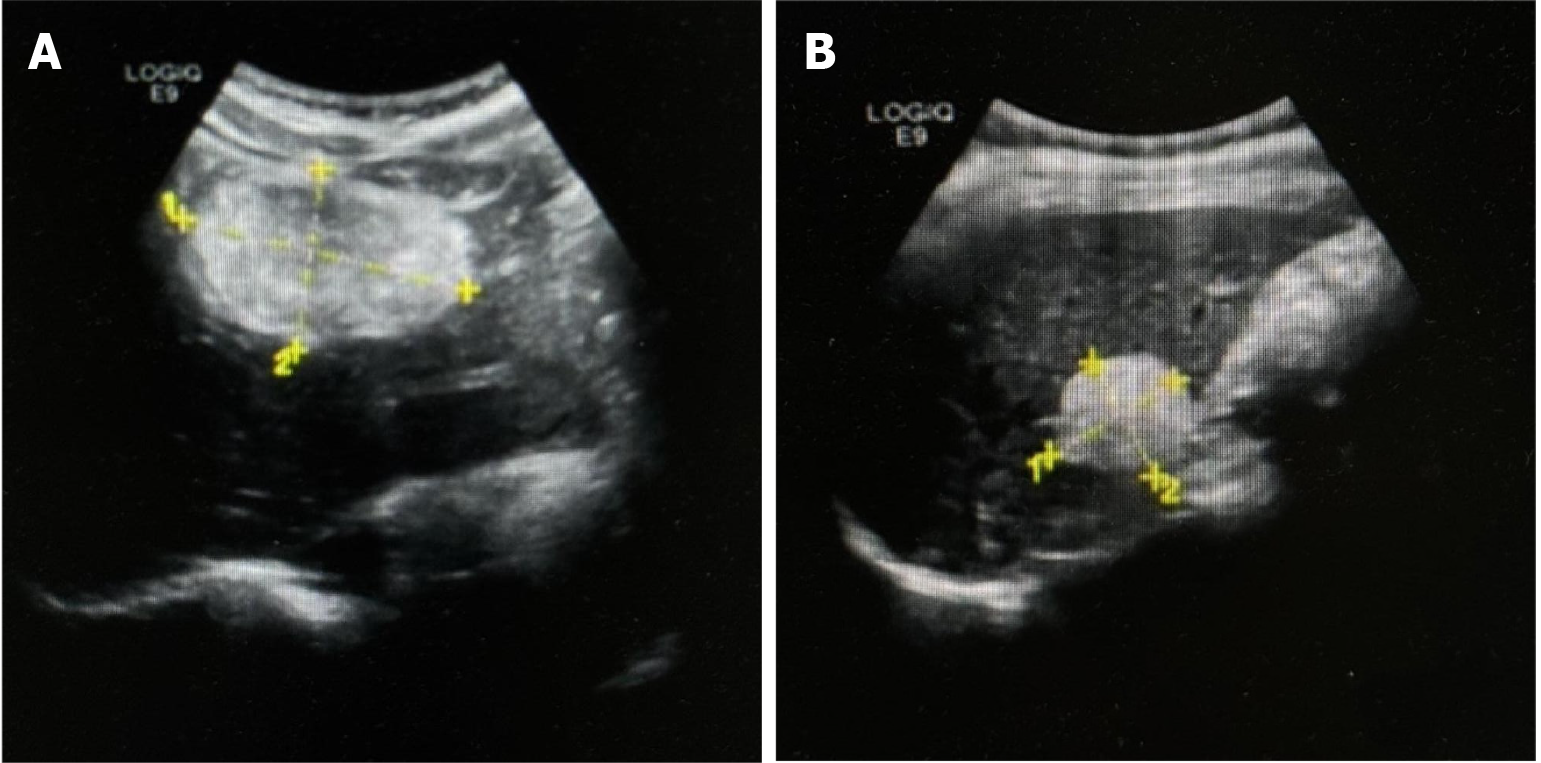
Figure 1 Ultrasound images.
A: Initial ultrasound revealed a slightly hyperechoic hepatic mass measuring approximately 71 mm × 49 mm in the left lobe; B: A second slightly hyperechoic mass measuring approximately 33 mm × 32 mm was detected in the right lobe.
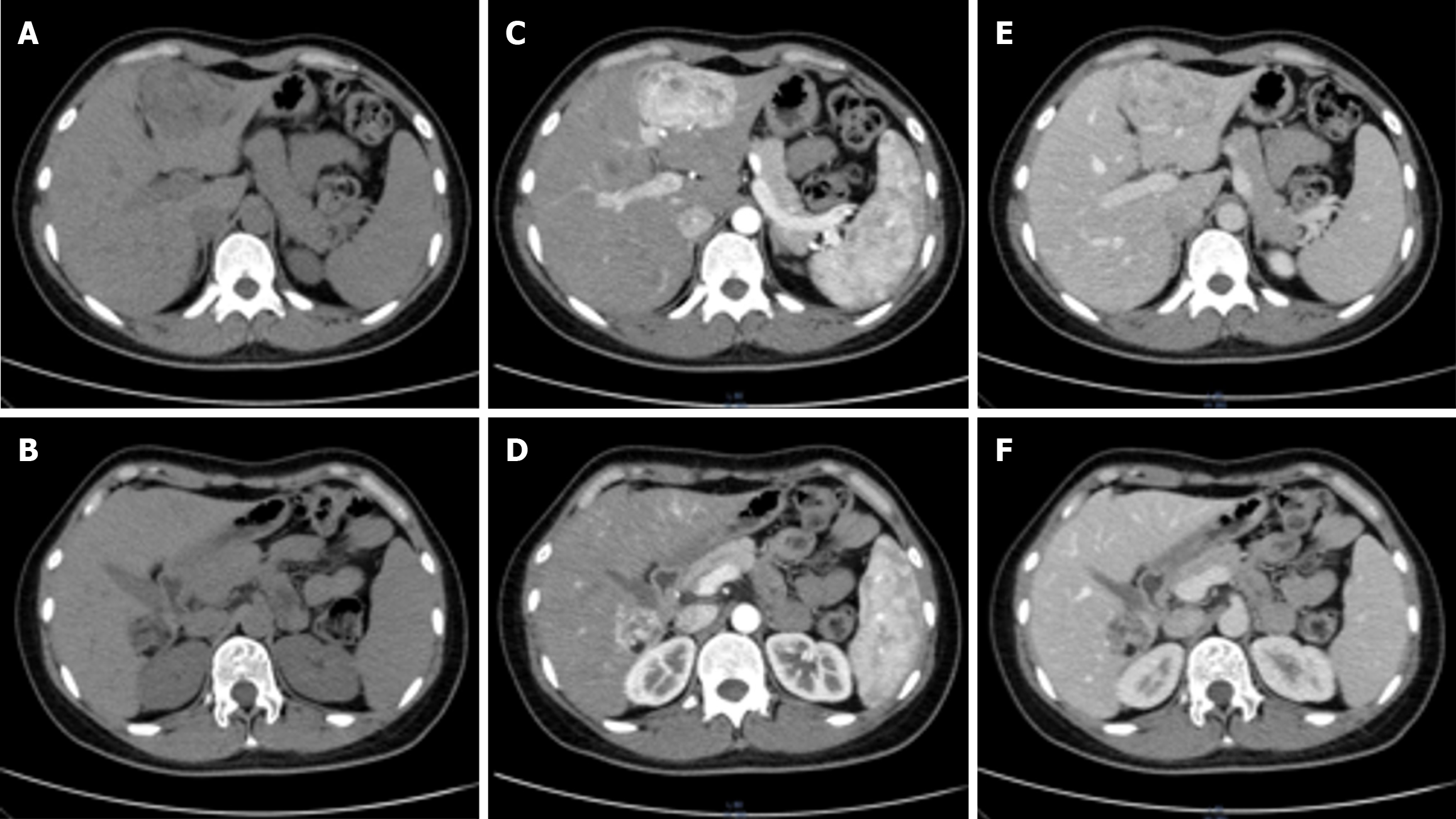
Figure 2 Computed tomography and contrast-enhanced computed tomography images.
A and B: Hypodense lesions located in segments S3 and S7 of the liver, measuring approximately 61 mm × 44 mm and 33 mm × 27 mm, respectively, with heterogeneous density; C and D: During the arterial phase, both lesions demonstrated marked and heterogeneous enhancement with visible intratumoral vasculature; E and F: In the portal venous phase, the lesions showed reduced enhancement and appeared isodense relative to the surrounding parenchyma.
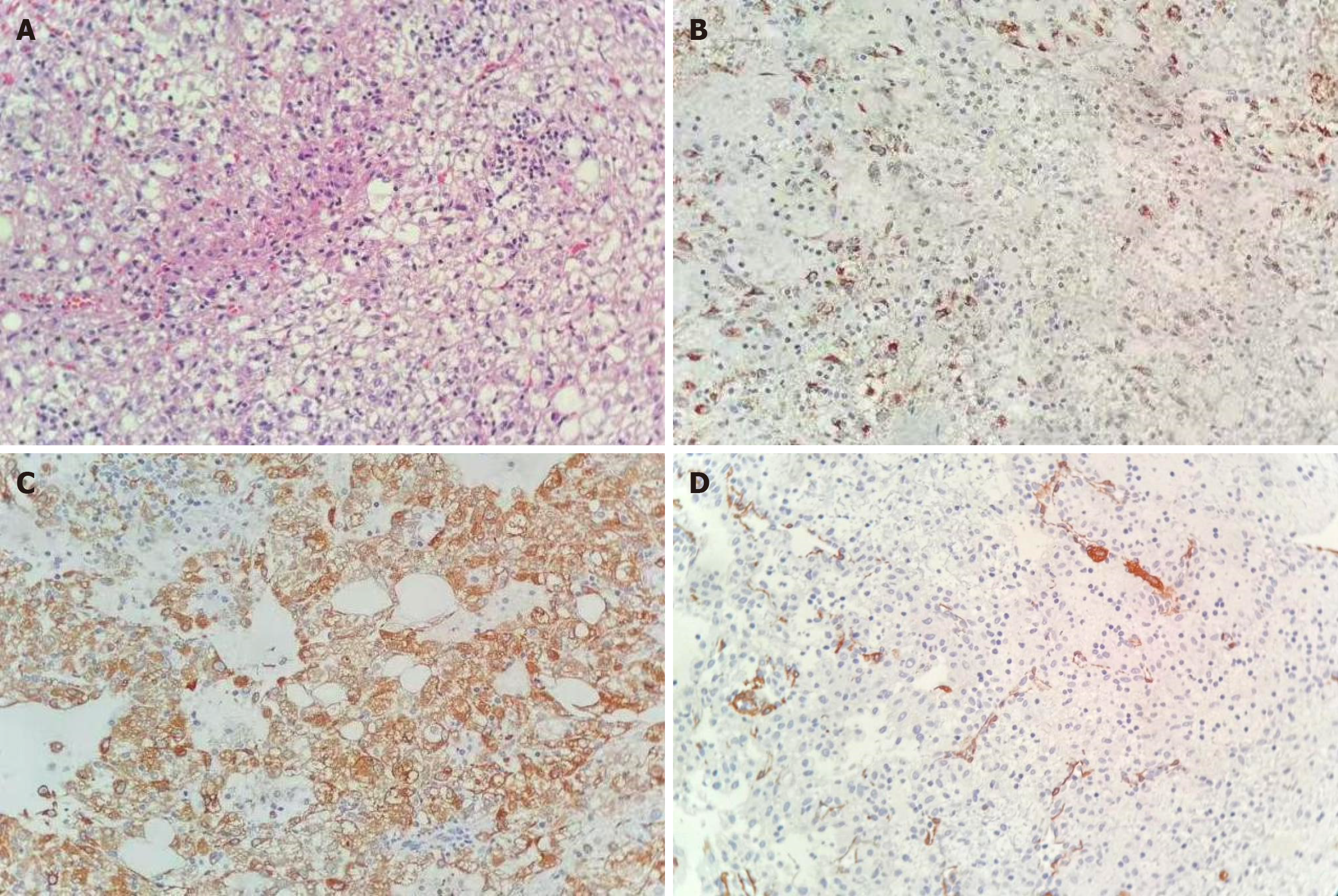
Figure 3 Histopathological features of hepatic epithelioid angiomyolipoma.
A: Hematoxylin and eosin staining showed numerous epithelioid cells with eosinophilic cytoplasm and pleomorphic nuclei, accompanied by vascular stroma and a small amount of mature adipose tissue (100 ×); B: Immunohistochemical staining demonstrated strong diffuse positivity for melanoma antigen recognized by T cells 1 in tumor cells (100 ×); C: Immunohistochemical staining demonstrated strong diffuse positivity for human melanoma black in tumor cells (100 ×); D: Immunohistochemical staining demonstrated strong diffuse positivity for smooth muscle actin in tumor cells (100 ×).
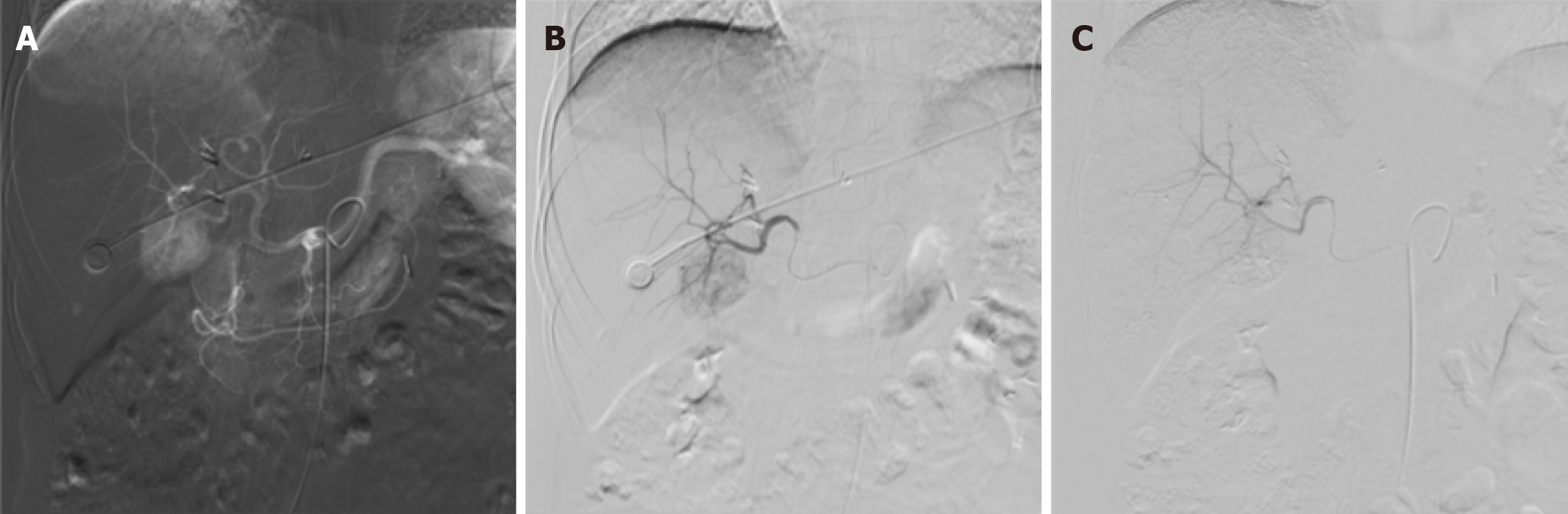
Figure 4 Angiographic findings during transarterial embolization.
A: Angiography performed with a 5F RH catheter revealed satisfactory portal venous return, with clear visualization of intratumoral vasculature and tumor blush; B: Superselective angiography via microcatheter following lipiodol infusion; C: Post-embolization angiography showed complete disappearance of tumor staining, indicating successful embolization.
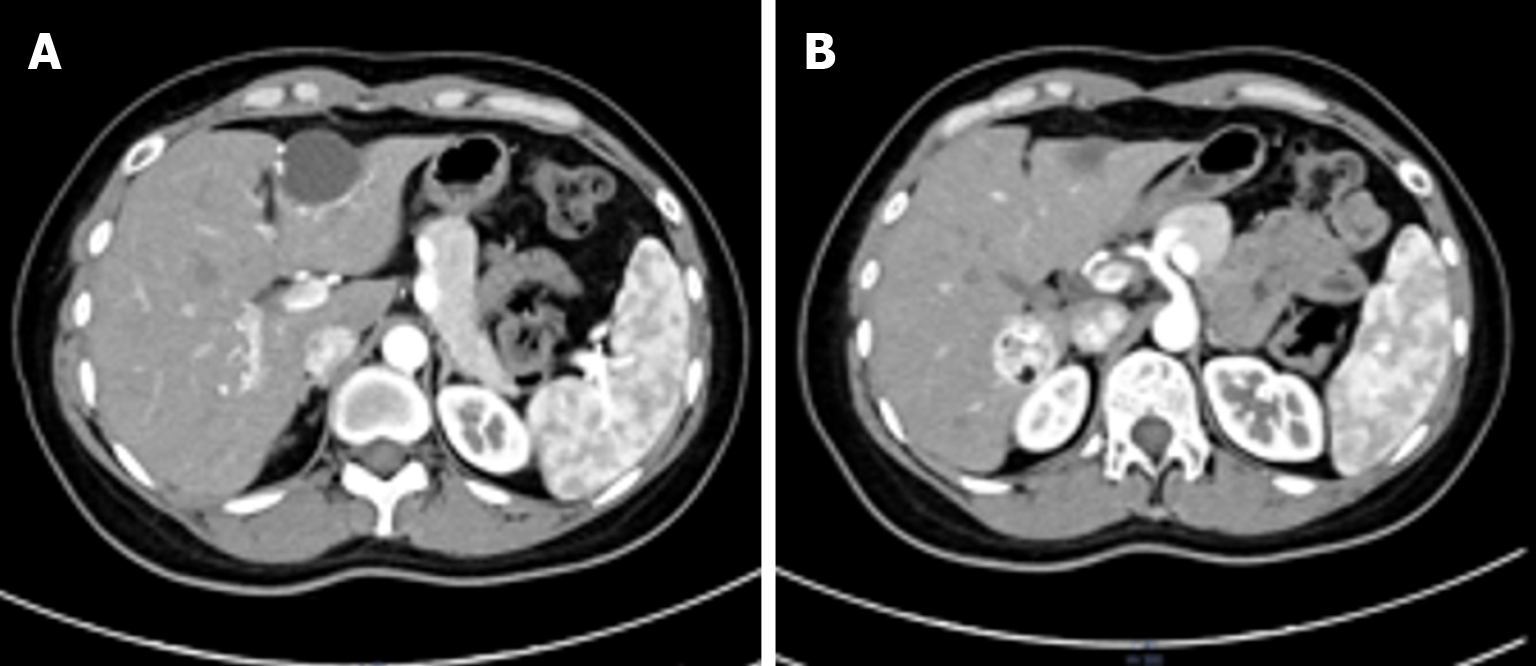
Figure 5 Postoperative contrast-enhanced computed tomography images (arterial phase).
A: Partial resection of the left hepatic lobe with a localized cystic hypodense region at the surgical site; B: The lesion in segment S7 exhibited marked heterogeneous enhancement and a decrease in size to approximately 27 mm.
- Citation: Wang F, Shi ZX, He XY, Han XJ, Wang JH, Yang JY, Cui LM. Hepatic epithelioid angiomyolipoma treated with laparoscopic resection and transcatheter arterial embolization first time: A case report and review of literature. World J Gastrointest Surg 2026; 18(1): 114050
- URL: https://www.wjgnet.com/1948-9366/full/v18/i1/114050.htm
- DOI: https://dx.doi.org/10.4240/wjgs.v18.i1.114050