
















©The Author(s) 2026.
World J Gastrointest Surg. Jan 27, 2026; 18(1): 113894
Published online Jan 27, 2026. doi: 10.4240/wjgs.v18.i1.113894
Published online Jan 27, 2026. doi: 10.4240/wjgs.v18.i1.113894
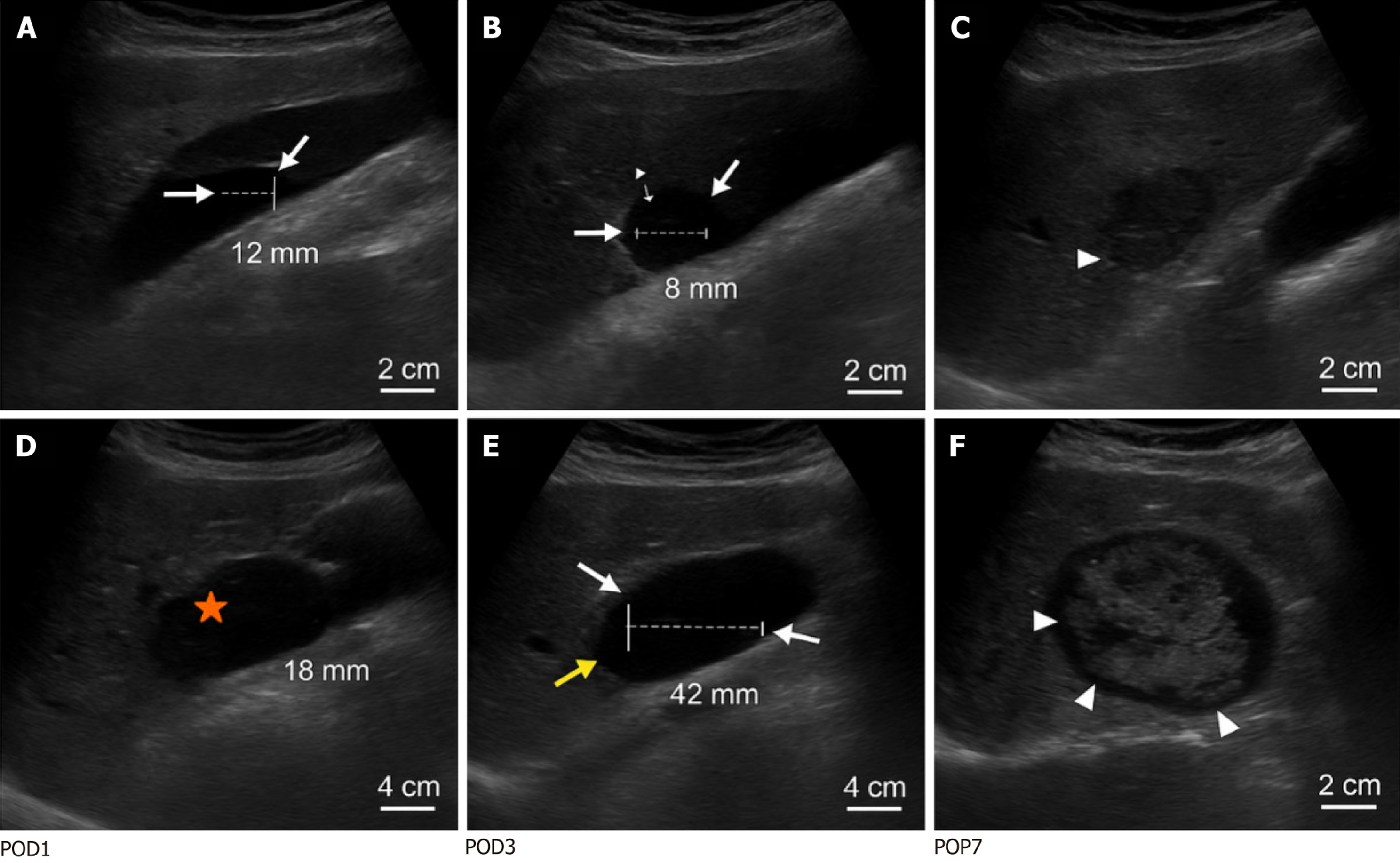
Figure 1 Imaging examination of typical case.
A-C: Detection of a 58-year-old man after distal gastrectomy. Postoperative day (POD1): Small anechoic collection (arrow) in the hepatic and renal recess (Morison’s capsule), depth = 12 mm, volume approximately 15 mL, C-reactive protein (CRP) = 28 mg/L (A). POD3: Reduction in collection (depth = 8 mm, arrow) with silencing mode maintained. CRP = 32 mg/L (B). POD7: Complete resolution of the previously observed fluid collection. The arrow indicates the absence of any residual anechoic area, consistent with full radiological resolution complete resolution CRP = 12 mg/L (C); D-F: A 63-year-old man with mixed collections of infection and progression to an abscess after total gastrectomy. POD1: Heterogeneous collection of subtle internal echoes (stars) in the splenic bed, depth = 18 mm, volume approximately 35 mL, CRP = 46 mg/L, orange star is internal echo/fragment (D). POD3: Dilated (depth = 42 mm) with a septum (arrow) and echo enhancement. CRP = 89 mg/L (above the diagnostic threshold), yellow arrow is partition/wall thickening (E). POD7: Complex mass with wall thickening (arrow) and internal debris, confirmed as an Escherichia coli abscess by computed tomography-guided drainage (draining 210 mL of pus). CRP = 112 mg/L (F). POD: Postoperative day.

Figure 2 Characteristics of effusion and inflammation indicators.
A: Simple fluid group; B: Complex fluid group. Line graphs show the mean effusion volume (left Y-axis) and inflammatory markers C-reactive protein (mg/L) and procalcitonin (ng/mL) (right Y-axis). The bar chart illustrates the proportion of simple vs mixed effusions at each time point. Data are presented as mean ± SD. Postoperative day 3 represents the peak for both the effusion volume and inflammatory response. CRP: C-reactive protein; PCT: Procalcitonin.
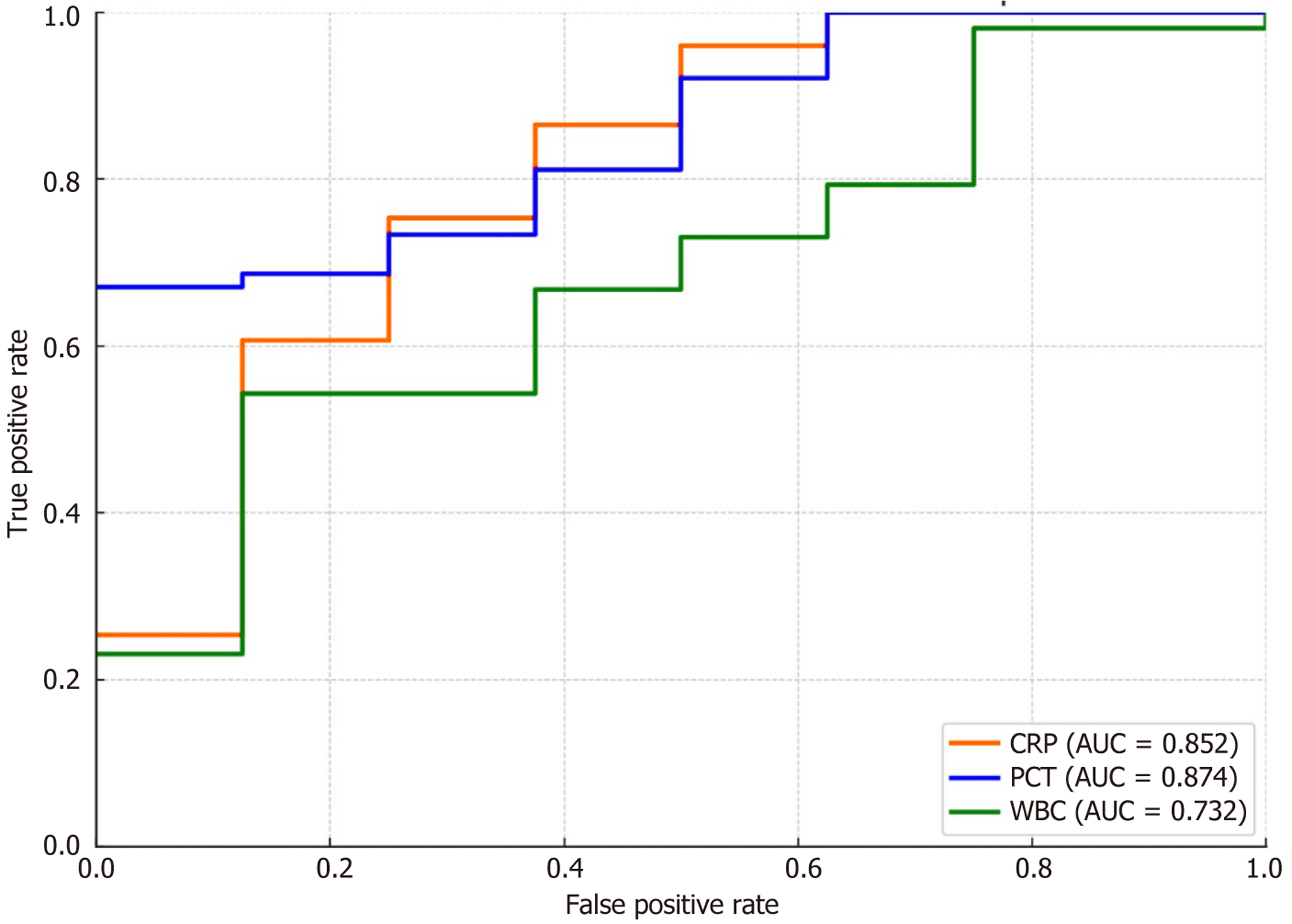
Figure 3 Receiver operating characteristic curve of diagnostic efficiency.
Receiver operating characteristic curves show the predictive performance of procalcitonin, C-reactive protein levels and white blood cell counts. The combined model (procalcitonin + mixed effusion) demonstrated superior predictive efficacy (area under the curve = 0.912) compared to the individual markers. CRP: C-reactive protein; PCT: Procalcitonin; WBC: White blood cell count; AUC: Area under the curve.
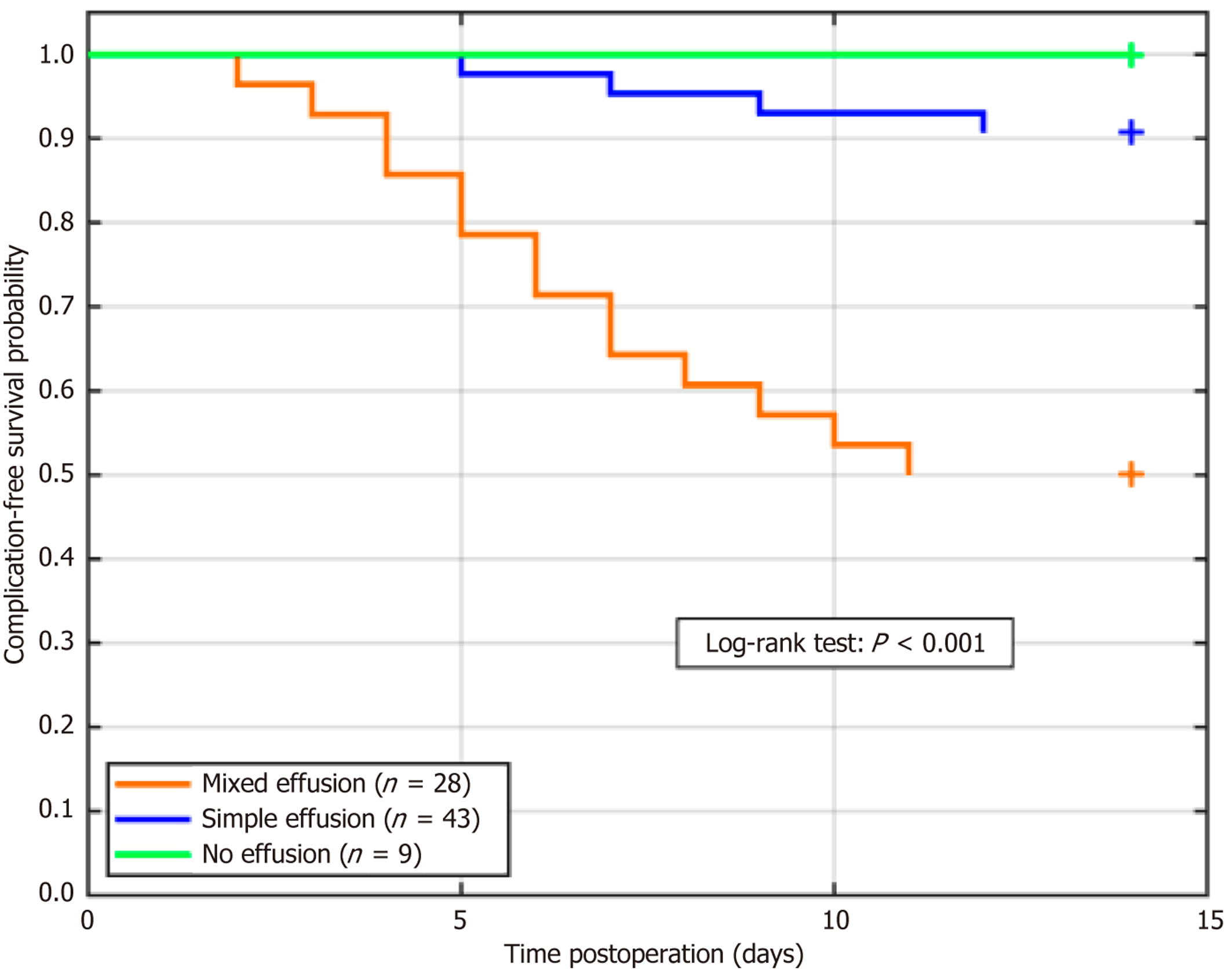
Figure 4 Kaplan-Meier survival curve.
Time to first postoperative complication was compared among patients with no effusion, simple effusion, and mixed effusion. The log-rank test indicated a significant difference between the groups (P < 0.001), with mixed effusion associated with earlier complication onset.
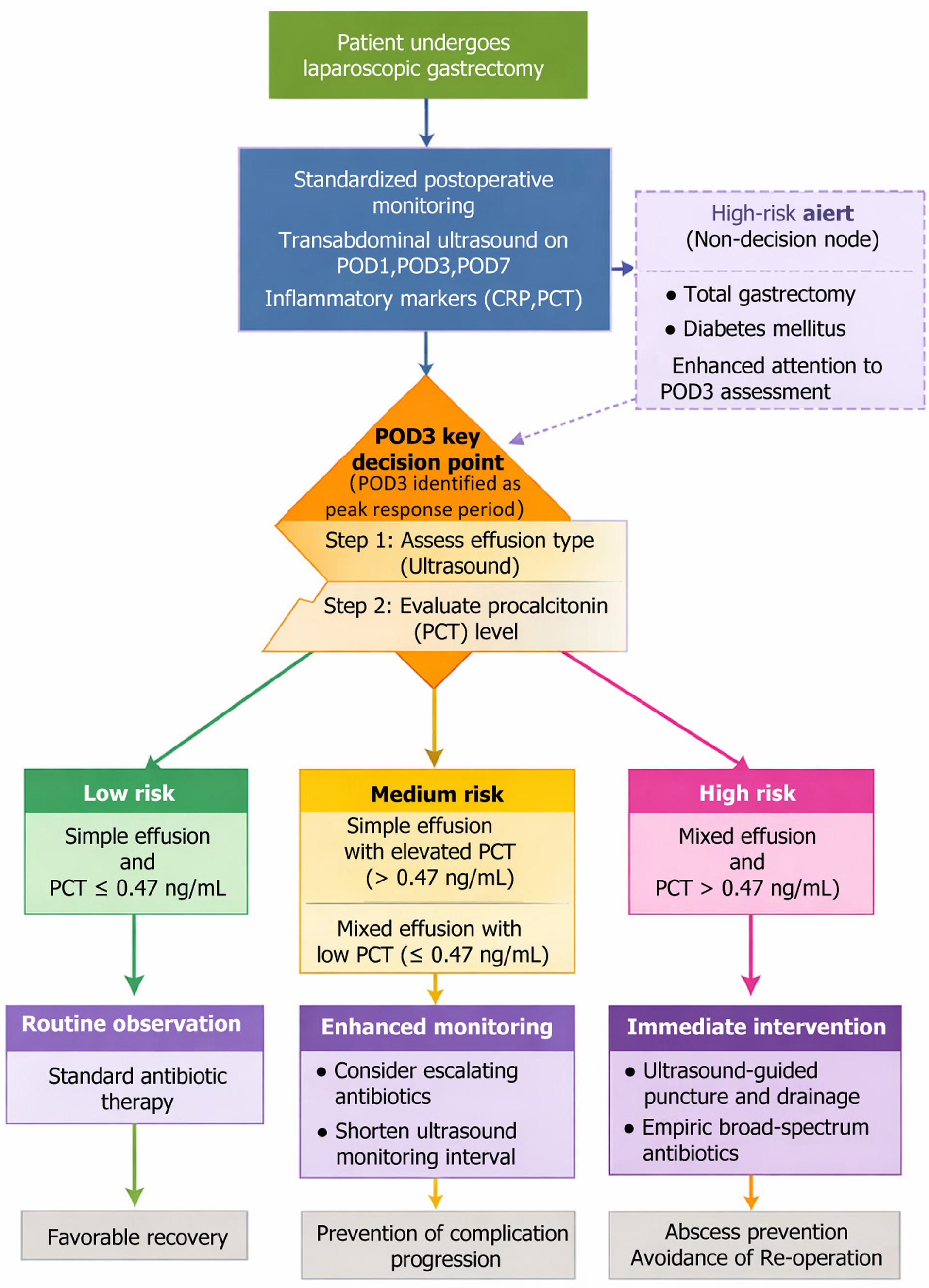
Figure 5 Management process diagram.
The algorithm integrates effusion type (simple vs mixed) and inflammatory marker level (procalcitonin/C-reactive protein) to guide decisions regarding monitoring, antibiotic therapy, and percutaneous drainage. CRP: C-reactive protein; PCT: Procalcitonin; POD: Postoperative day; US: Ultrasound.
- Citation: Gao XX, Su SH, Huang DD. Dynamic ultrasound monitoring of intraperitoneal effusion for predicting complications after laparoscopic gastrectomy. World J Gastrointest Surg 2026; 18(1): 113894
- URL: https://www.wjgnet.com/1948-9366/full/v18/i1/113894.htm
- DOI: https://dx.doi.org/10.4240/wjgs.v18.i1.113894