
















Copyright: ©Author(s) 2026.
World J Diabetes. Jul 15, 2026; 17(7): 120448
Published online Jul 15, 2026. doi: 10.4239/wjd.120448
Published online Jul 15, 2026. doi: 10.4239/wjd.120448
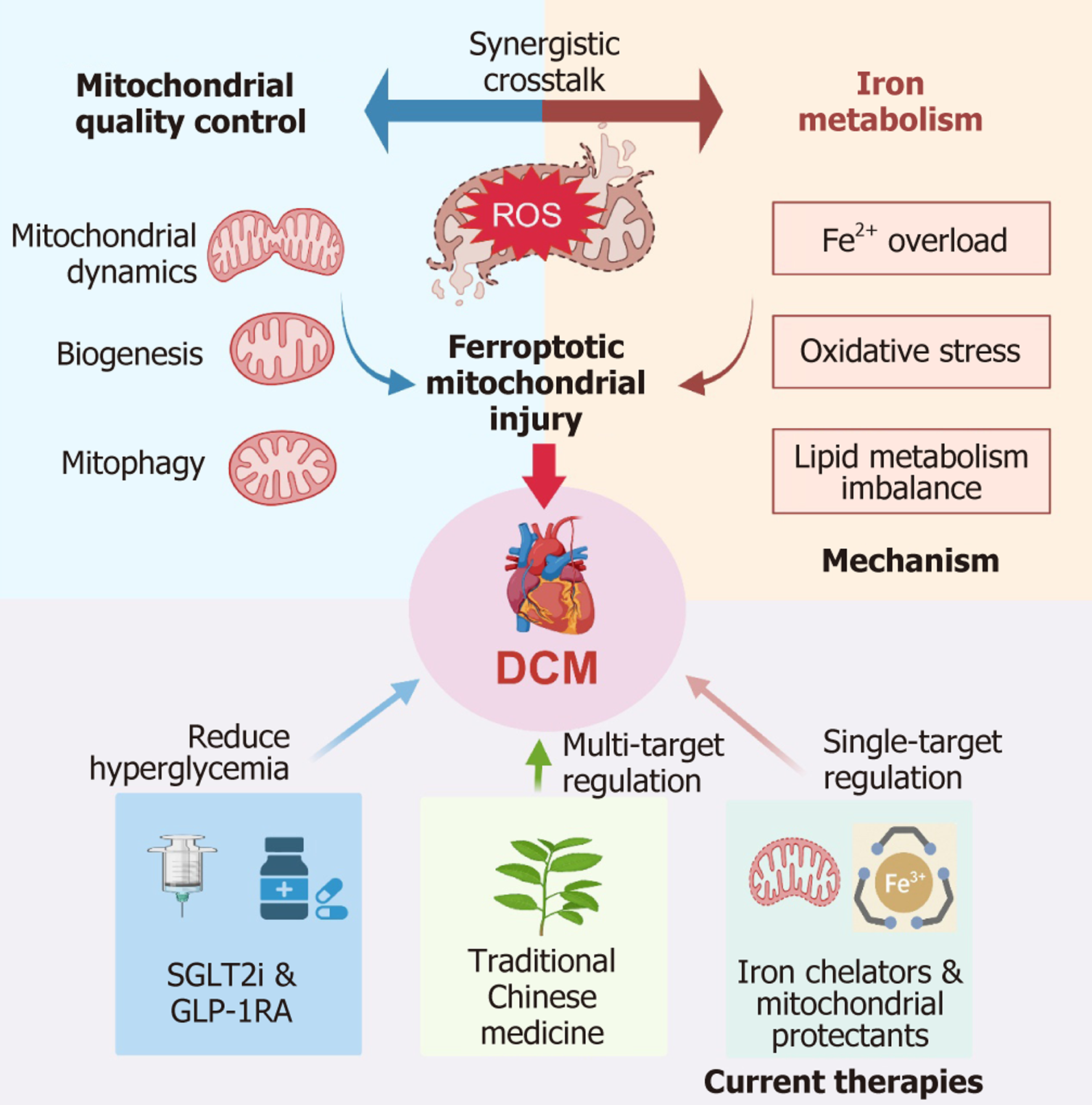
Figure 1 Graphic abstract.
Mitochondrial quality control and iron metabolism form a synergistic crosstalk in diabetic cardiomyopathy (DCM). Impaired mito
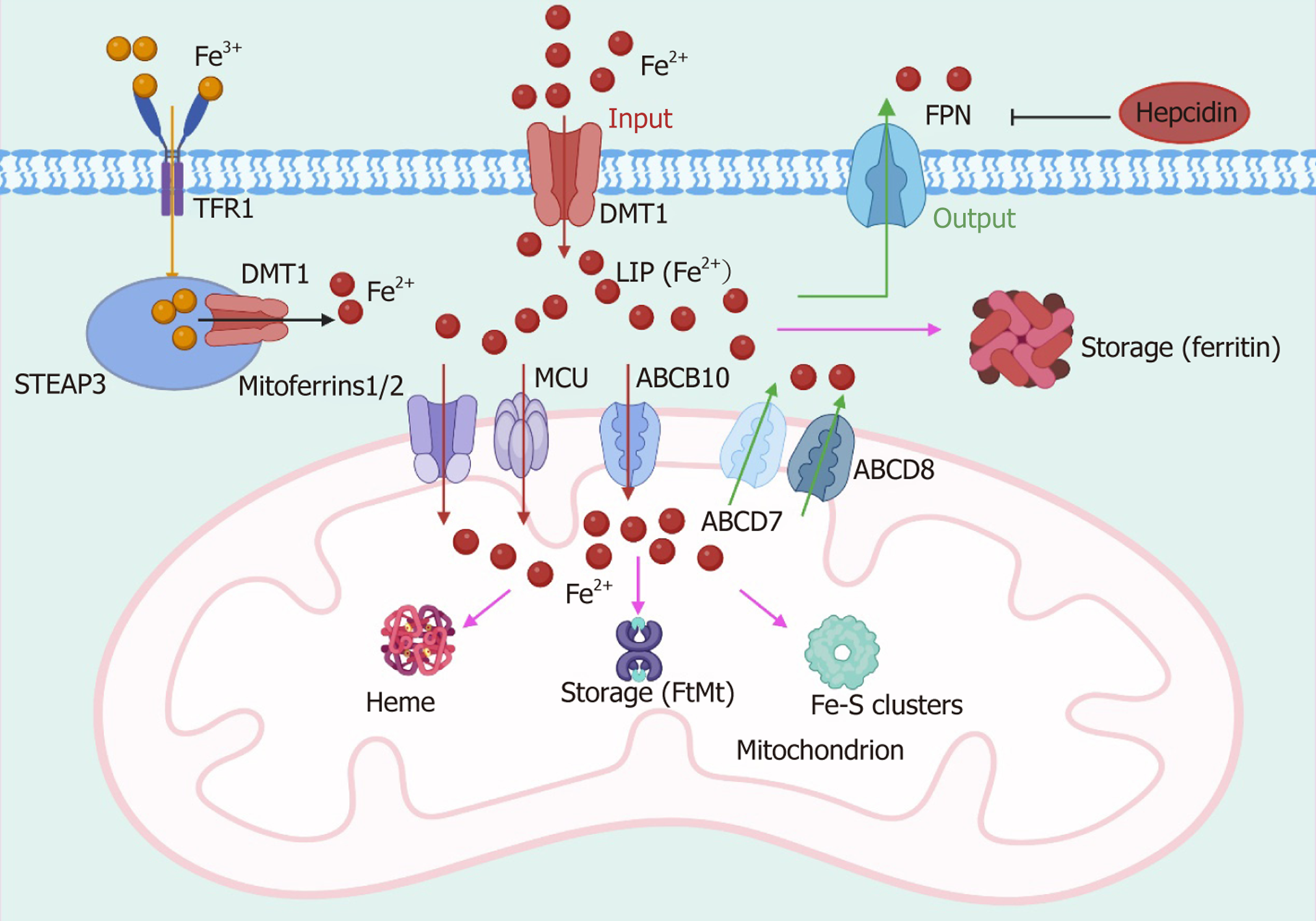
Figure 2 Iron homeostasis and mitochondrial iron metabolism in cardiomyocytes Schematic representation of iron uptake, intracellular transport, storage, and mitochondrial utilization in cardiomyocytes.
Upon entering the mitochondrial matrix, iron can be channeled to three pathways: Heme biosynthesis, iron-sulfur (Fe-S) cluster biogenesis, or storage in mitochondrial ferritin (FtMt). Cytosolic Fe²+ comprises the labile iron pool, which is either stored in ferritin or exported via ferroportin, whose activity is negatively regulated by hepcidin. Upon entering the mitochondrial matrix, iron can be channeled to three pathways: Heme biosynthesis, iron-sulfur (Fe-S) cluster biogenesis, or storage in FtMt. ABCB7 and ABCB8 mediate Fe-S cluster export and mitochondrial iron efflux, respectively. Created with BioRender. Fe-S: Iron-sulfur; FtMt: Mitochondrial ferritin; LIP: Labile iron pool.
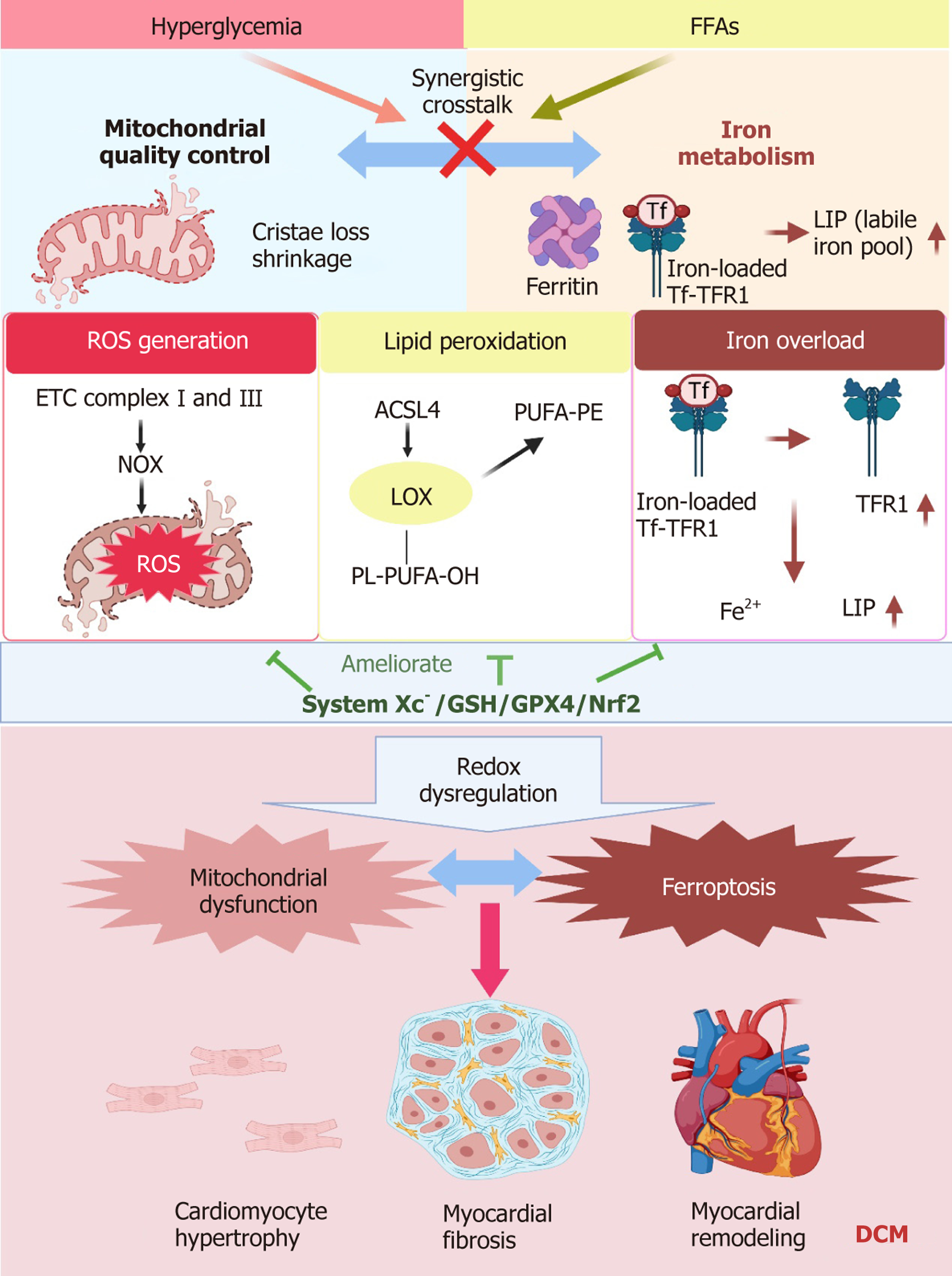
Figure 3 Crosstalk between mitochondrial dysfunction and ferroptosis in the pathogenesis of diabetic cardiomyopathy.
This schematic depicts the interplay between mitochondrial quality control and iron metabolism in diabetic cardiomyopathy (DCM). Hyperglycemia and elevated free fatty acids impair mitochondrial cristae integrity and enhance reactive oxygen species generation, whereas excessive iron uptake and dysregulated storage cause iron overload and expansion of the labile iron pool. These alterations promote lipid peroxidation via ACSL4/LOX pathways and disrupt redox homeostasis, thereby linking mitochondrial dysfunction with ferroptosis. Antioxidant defense mechanisms - including System Xc-, glutathione, GPX4, and Nrf2 - counteract ferroptotic stress. The synergistic interaction between mitochondrial impairment and ferroptosis drives cardiomyocyte hypertrophy, myocardial fibrosis, and adverse cardiac remodeling, ultimately accelerating the progression of DCM. FFAs: Free fatty acids; ETC: Electron transport chain; NOX: NADPH oxidase; DCM: Diabetic cardiomyopathy; ROS: Reactive oxygen species; GSH: Glutathione.
- Citation: Tang YT, Wu Q, Chen YP, Xia L, Yang MH, Wei MY, Pang Q, Yang YN, Liu JB, Liu JL, Ni Q, Gong YB. Regulation of ferroptosis and mitochondrial homeostasis disruption in diabetic cardiomyopathy: Therapeutic potential of traditional Chinese medicine. World J Diabetes 2026; 17(7): 120448
- URL: https://www.wjgnet.com/1948-9358/full/v17/i7/120448.htm
- DOI: https://dx.doi.org/10.4239/wjd.120448