
















Copyright: ©Author(s) 2026.
World J Diabetes. Jul 15, 2026; 17(7): 120422
Published online Jul 15, 2026. doi: 10.4239/wjd.120422
Published online Jul 15, 2026. doi: 10.4239/wjd.120422
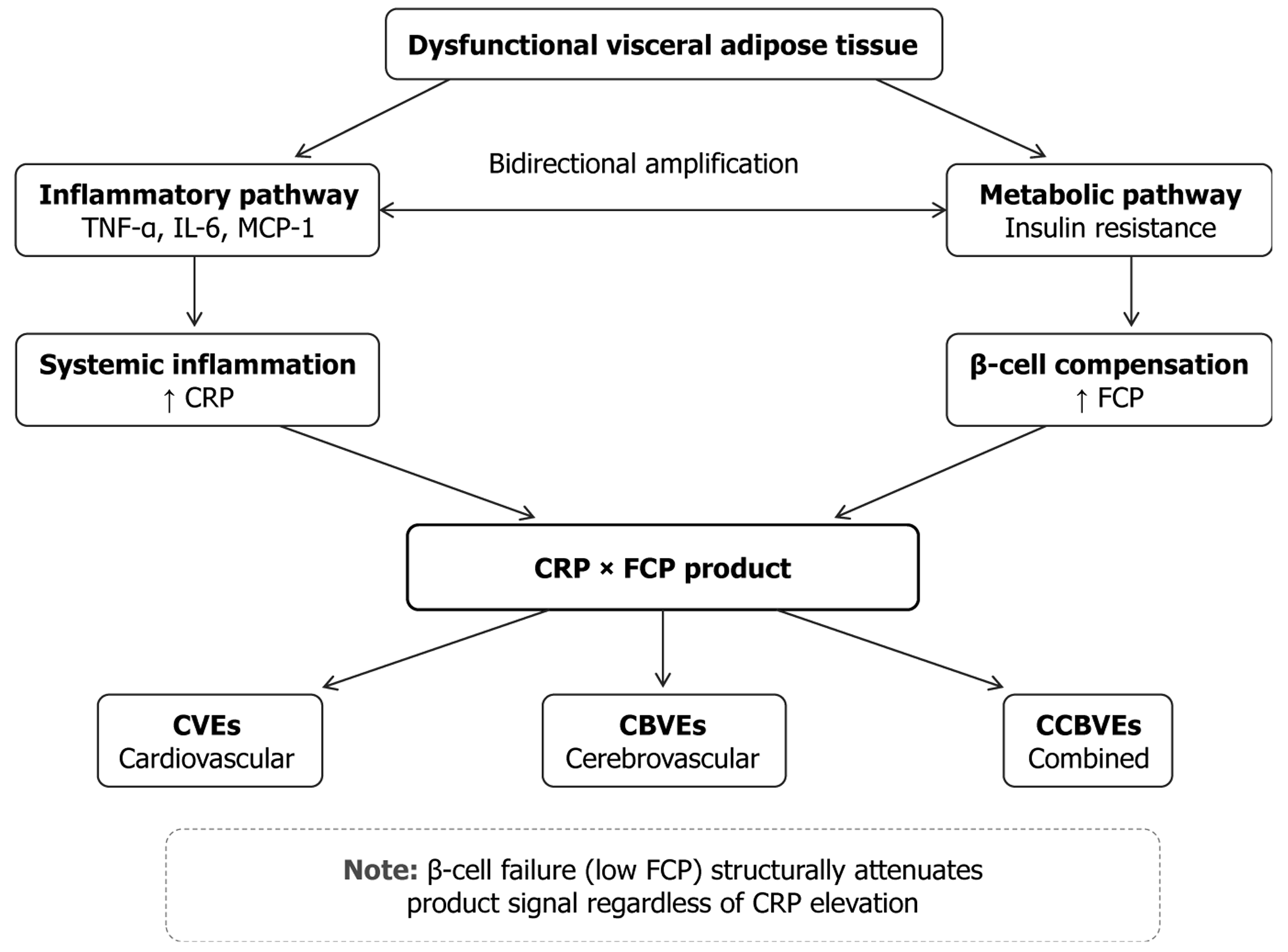
Figure 1 Pathophysiological rationale for the C-reactive protein-fasting C-peptide product.
Dysfunctional visceral adipose tissue drives a pro-inflammatory cascade (tumor necrosis factor-α, interleukin-6, monocyte chemoattractant protein-1), resulting in systemic inflammation and insulin resistance with compensatory β-cell activation. These pathways amplify each other bidirectionally. The C-reactive protein × fasting C-peptide product conceptually integrates these two axes and is associated with cardiovascular events, cerebrovascular events, and combined cardiovascular and cerebrovascular events. The dashed box indicates that β-cell failure (low fasting C-peptide) structurally attenuates the product signal regardless of C-reactive protein elevation. TNF-α: Tumor necrosis factor-α; IL-6: Interleukin-6; MCP-1: Monocyte chemoattractant protein-1; CRP: C-reactive protein; FCP: Fasting C-peptide; CVEs: Cardiovascular events; CBVEs: Cerebrovascular events; CCBVEs: Combined cardiovascular and cerebrovascular events.
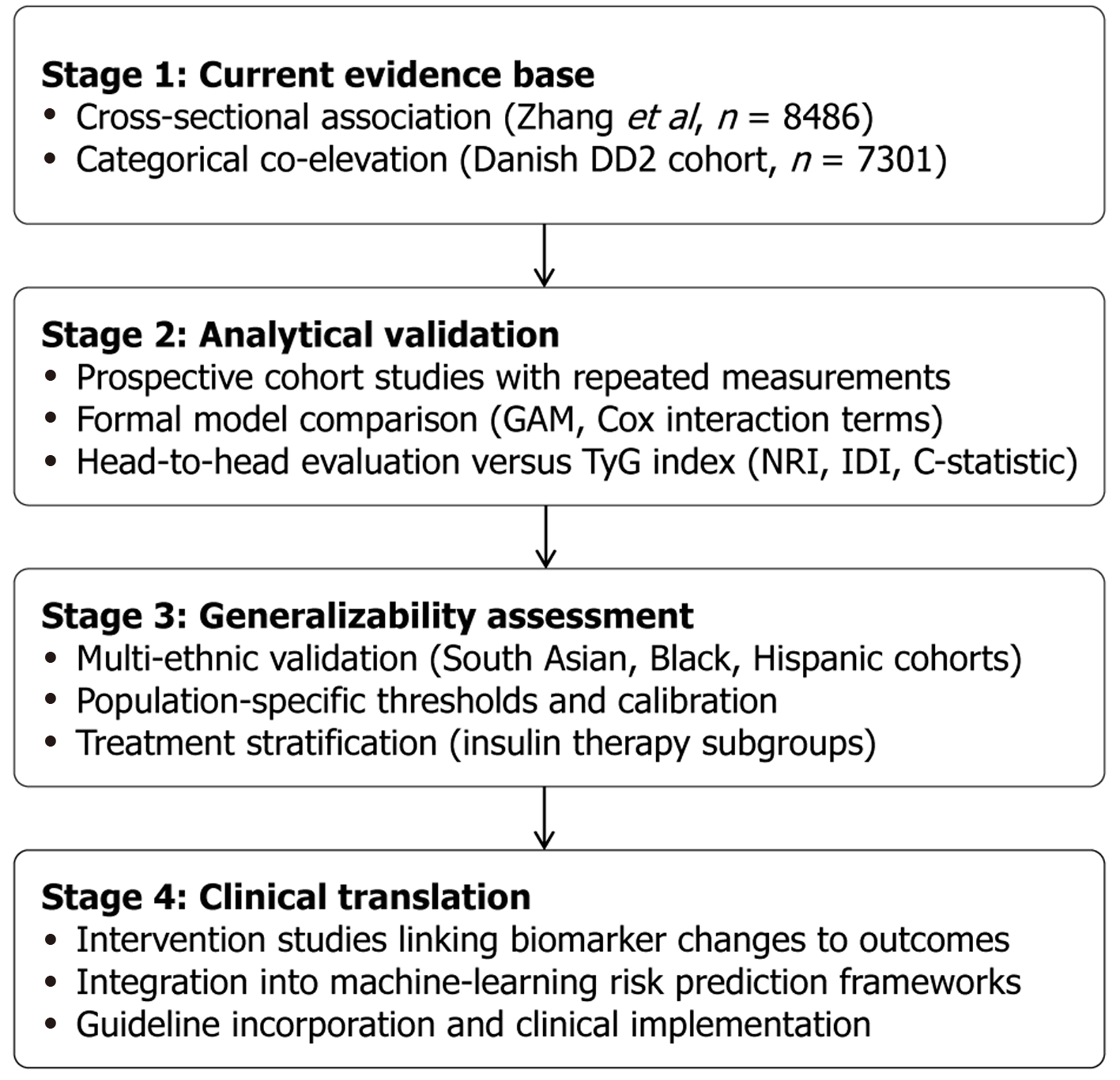
Figure 2 Research roadmap for validation and clinical translation of the C-reactive protein-fasting C-peptide product.
The schematic outlines key steps for future investigation, including prospective validation, model comparison with established indices, multi-ethnic calibration, and integration into machine-learning-based risk prediction frameworks. GAM: Generalized additive model; TyG: Triglyceride-glucose; NRI: Net reclassification index; IDI: Integrated discrimination improvement.
- Citation: Cho YH, Choi JI, Lee SY. Can one composite index capture both inflammatory and metabolic cardiovascular risk in type 2 diabetes? World J Diabetes 2026; 17(7): 120422
- URL: https://www.wjgnet.com/1948-9358/full/v17/i7/120422.htm
- DOI: https://dx.doi.org/10.4239/wjd.120422