
















Copyright: ©Author(s) 2026.
World J Diabetes. Jul 15, 2026; 17(7): 119712
Published online Jul 15, 2026. doi: 10.4239/wjd.119712
Published online Jul 15, 2026. doi: 10.4239/wjd.119712
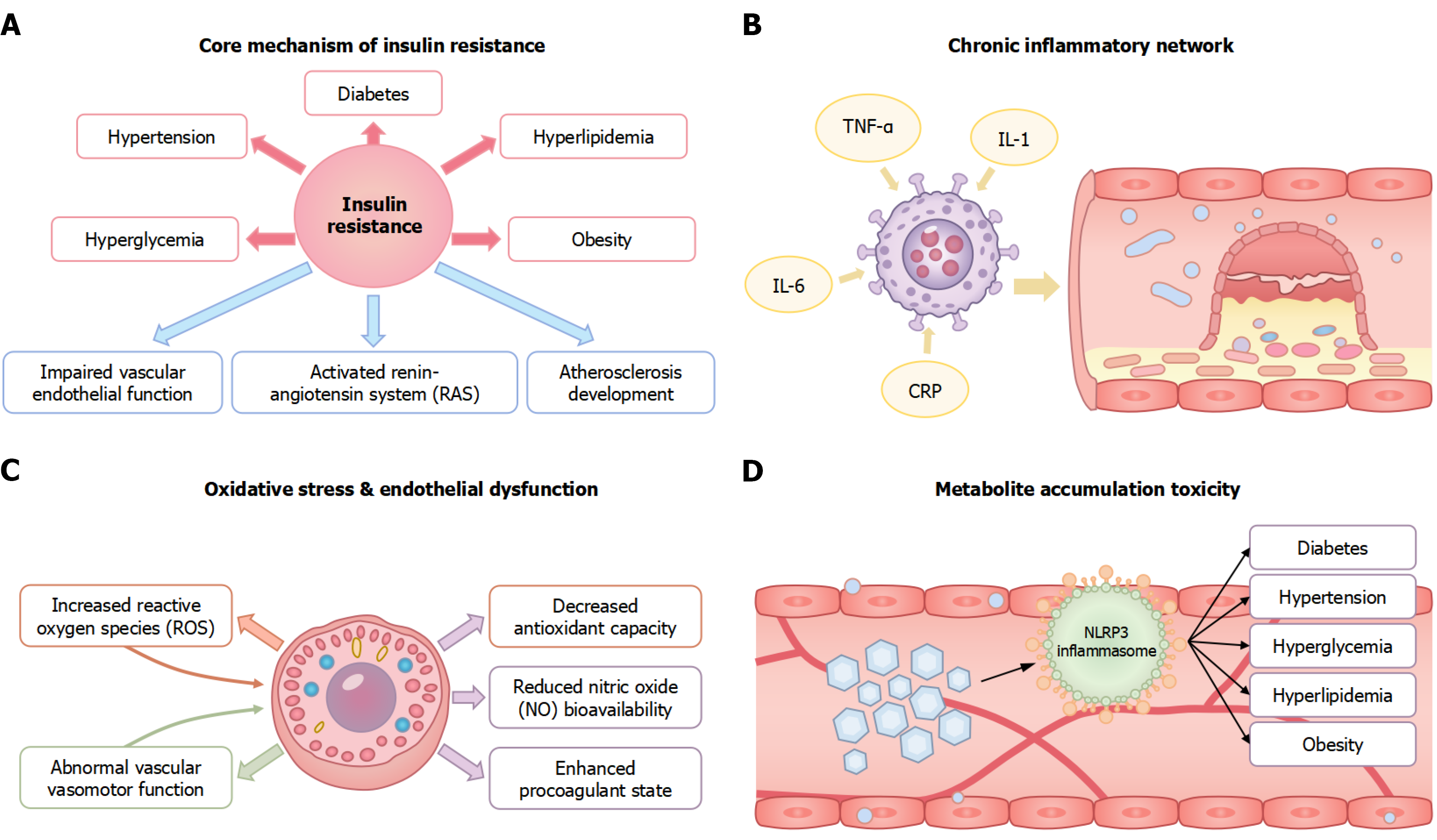
Figure 1 Shared pathophysiological links underpinning diabetes-centered five-condition co-management and cardiovascular risk.
A: Insulin resistance serves as a central hub linking hyperglycemia/diabetes, hypertension, dyslipidemia, and obesity, thereby promoting vascular endothelial dysfunction, activation of the renin-angiotensin system, and atherogenesis; B: A chronic low-grade inflammatory network, reflected by elevated cytokines and inflammatory biomarkers (e.g., tumor necrosis factor-α, interleukin-1, interleukin-6, and C-reactive protein), contributes to endothelial injury and plaque initiation and progression; C: Oxidative stress and endothelial dysfunction arise from increased reactive oxygen species generation and reduced antioxidant capacity, resulting in decreased nitric oxide bioavailability, impaired vasomotor regulation, and a procoagulant milieu; D: Metabolite accumulation-associated toxicity (including urate- and lipid/glucose-related signals) can activate the NOD-like receptor family pyrin domain containing 3 inflammasome, amplifying systemic inflammation and reinforcing the interconnected progression of cardiometabolic abnormalities. CRP: C-reactive protein; IL: Interleukin; NLRP3: NOD-like receptor family pyrin domain containing 3; TNF-α: Tumor necrosis factor-α.
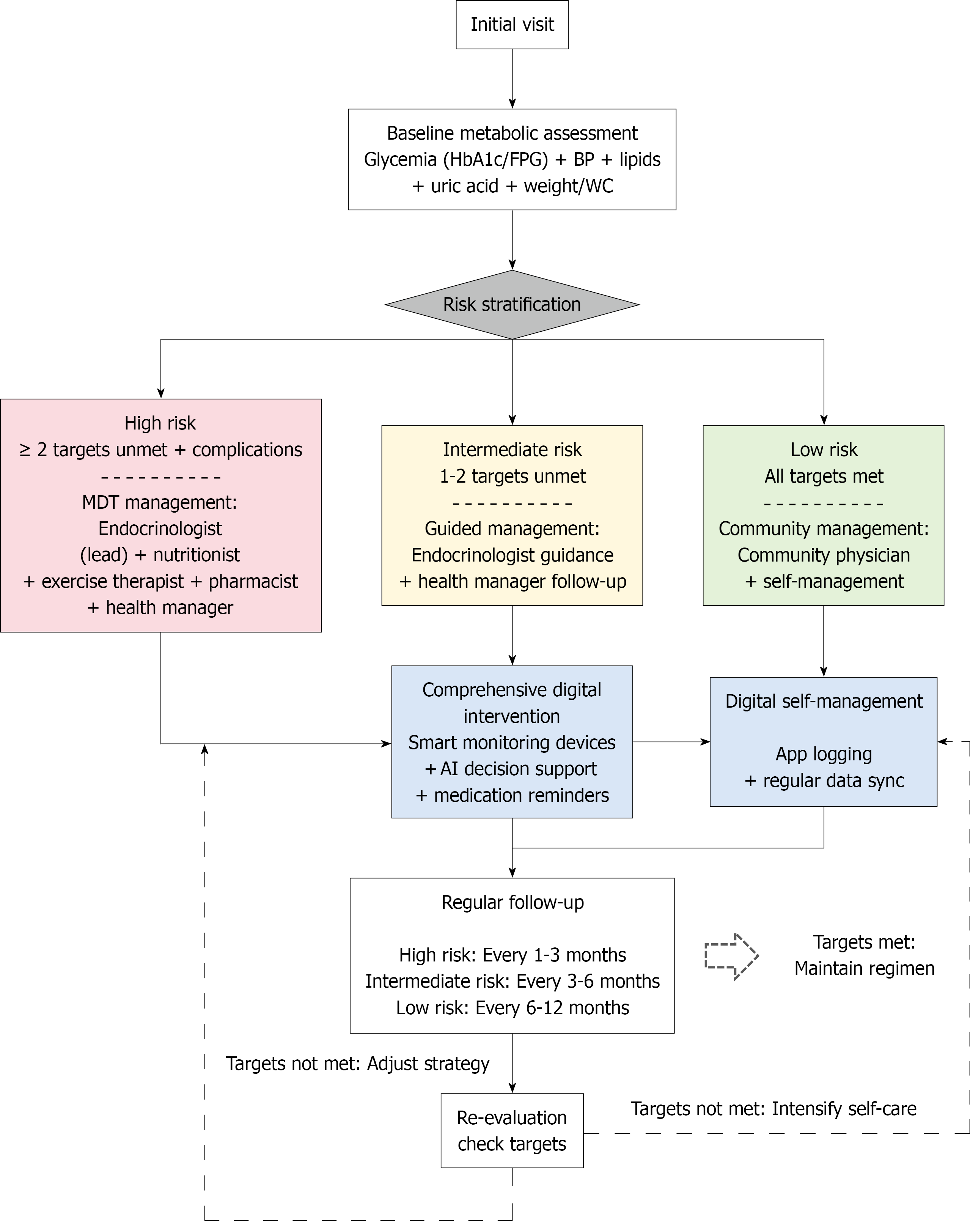
Figure 2 Diabetes-centered clinical implementation framework for five-condition co-management.
At the initial visit, patients undergo a baseline metabolic assessment covering glycemia (glycated hemoglobin and/or fasting plasma glucose), blood pressure, lipids, serum uric acid, and body weight/waist circumference. Risk stratification is then performed according to overall target attainment and complication status, yielding three tiers: High risk (≥ 2 targets unmet with complications), managed by a multidisciplinary team (endocrinologist lead, nutritionist, exercise therapist, pharmacist, and health manager); intermediate risk (1-2 targets unmet), managed with endocrinologist guidance and structured health-manager follow-up; and low risk (all targets met), managed primarily in the community by a community physician with patient self-management. Digital enablement is embedded across tiers: High/intermediate-risk patients receive comprehensive digital intervention (smart monitoring devices, artificial intelligence decision support, and medication reminders), while low-risk patients use digital self-management (app logging and regular data synchronization). Follow-up intensity is tiered (high risk: Every 1-3 months; intermediate risk: Every 3-6 months; low risk: Every 6-12 months), with periodic re-evaluation of targets to maintain the regimen when controlled or to adjust/intensify strategies when targets are not met, forming a closed-loop management pathway. HbA1c: Glycated hemoglobin; FPG: Fasting plasma glucose; BP: Blood pressure; WC: Waist circumference; AI: Artificial intelligence; MDT: Multidisciplinary team.
- Citation: Xu JL, Luo C, Duan CZ, Xu SY, Wu ZQ, Ye LY, Li ZP, Wang MS, Yu XM, He DJ. Digital health technologies for diabetes-centered five-condition co-management in China: Theoretical foundations, practical experience, and technical challenges. World J Diabetes 2026; 17(7): 119712
- URL: https://www.wjgnet.com/1948-9358/full/v17/i7/119712.htm
- DOI: https://dx.doi.org/10.4239/wjd.119712