
















Copyright: ©Author(s) 2026.
World J Diabetes. Jul 15, 2026; 17(7): 119009
Published online Jul 15, 2026. doi: 10.4239/wjd.119009
Published online Jul 15, 2026. doi: 10.4239/wjd.119009
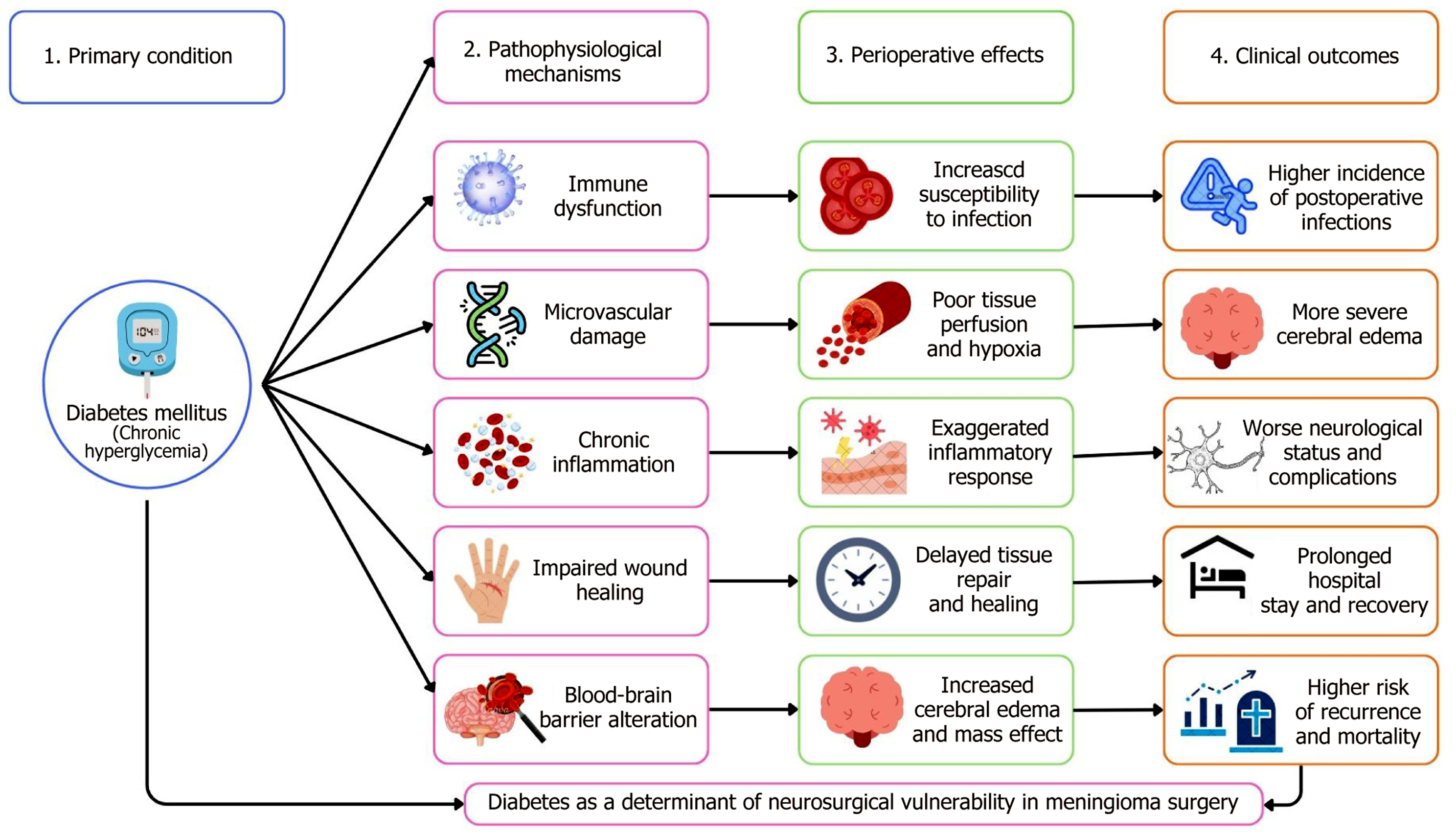
Figure 1 Diabetes and meningioma surgical outcomes.
The figure highlights the unified physiopathological routes associated with the adverse outcomes of meningioma surgery in patients with diabetes. Persistently resulting in several physiological mechanisms, including immunological dysregulation, microvascular damage, chronic inflammation, impaired wound healing, and disruption of the blood-brain barrier. All of these mechanisms reduce the body’s capacity for adaptation to surgical stress, decrease blood flow, hinder wound healing, and increase risk to infection. Moreover, disability of the blood-brain barrier and inflammation cause cerebral edema and neurological impairment. These factors collectively result in suboptimal patient outcomes and heightened surgical complications. The con
- Citation: Karmakar R, Kaushik A, Gade P, Gawali M, Mukundan A. Diabetes as a determinant of neurosurgical vulnerability: Rethinking perioperative risk in meningioma resection. World J Diabetes 2026; 17(7): 119009
- URL: https://www.wjgnet.com/1948-9358/full/v17/i7/119009.htm
- DOI: https://dx.doi.org/10.4239/wjd.119009