
















Copyright: ©Author(s) 2026.
World J Diabetes. Jun 15, 2026; 17(6): 118650
Published online Jun 15, 2026. doi: 10.4239/wjd.118650
Published online Jun 15, 2026. doi: 10.4239/wjd.118650
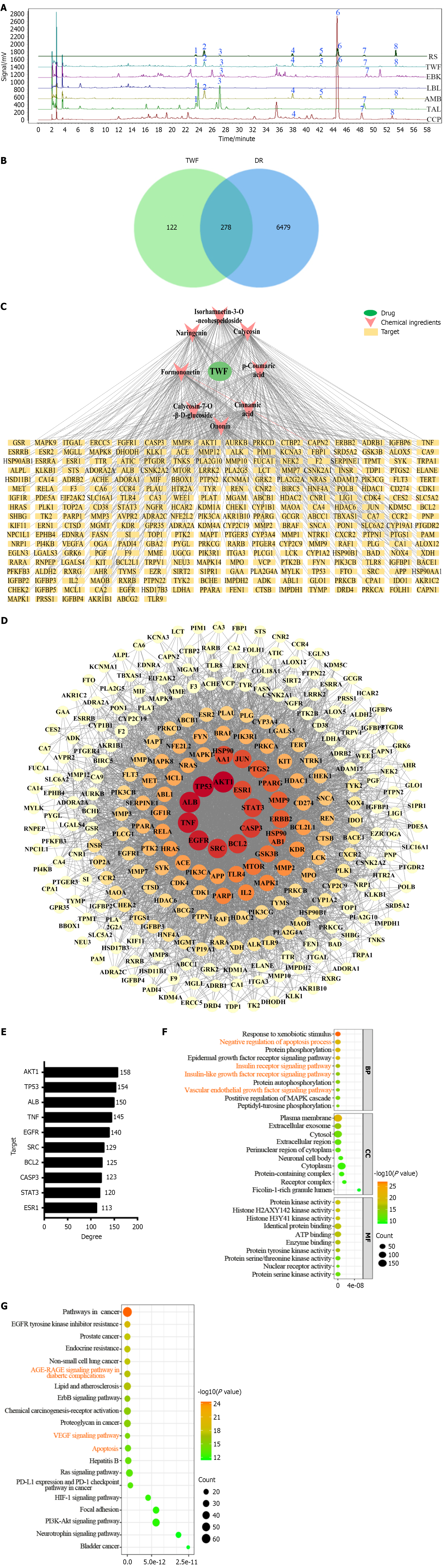
Figure 1 Chemical ingredients of Tangwang formula were detected by high-pressure liquid chromatography.
A: High-pressure liquid chromatography chromatograms of Tangwang formula; B: Venn diagram of drug targets from 8 compounds in Tangwang formula and disease targets from diabetic retinopathy; C: Network diagram of drug-composition-target; D: Protein-protein interaction network diagram of 278 cross targets; E: Degree values of top 10 core targets; F: Top 30 Gene Ontology enrichment analysis of 278 cross targets; G: Top 20 Kyoto Encyclopedia of Genes and Genomes enrichment analysis of 278 cross targets. AGE-RAGE: Advanced glycation end product-receptor advanced glycation end products; AMB: Bunge (Astragali Radix); ATP: Adenosine triphosphate; BP: Biological process; CC: Cellular component; CCP: Cinnamomum cassia Presl (Cinnamomi Ramulus); DR: Diabetic retinopathy; EBK: Eriocaulon buergerianum Koern. (Eriocauli Flos); EGFR: Epidermal growth factor receptor; HIF-1: Hypoxia-inducible factor-1; LBL: Lycium barbarum L. (Lycii Fructus); MAPK: Mitogen-activated protein kinases; MF: Molecular function; RS: Reference substance; TAL: Typha angustifolia L. (Typhae Pollen); TWF: Tangwang formula; VEGF: Vascular endothelial growth factor; 1: P-Coumaric acid; 2: Calycosin-7-O-β-D-glucoside; 3: Isorhamnetin-3-O-neohespeidoside; 4: Ononin; 5: Calycosin; 6: Cinnamic acid; 7: Naringenin; 8: Formononetin.
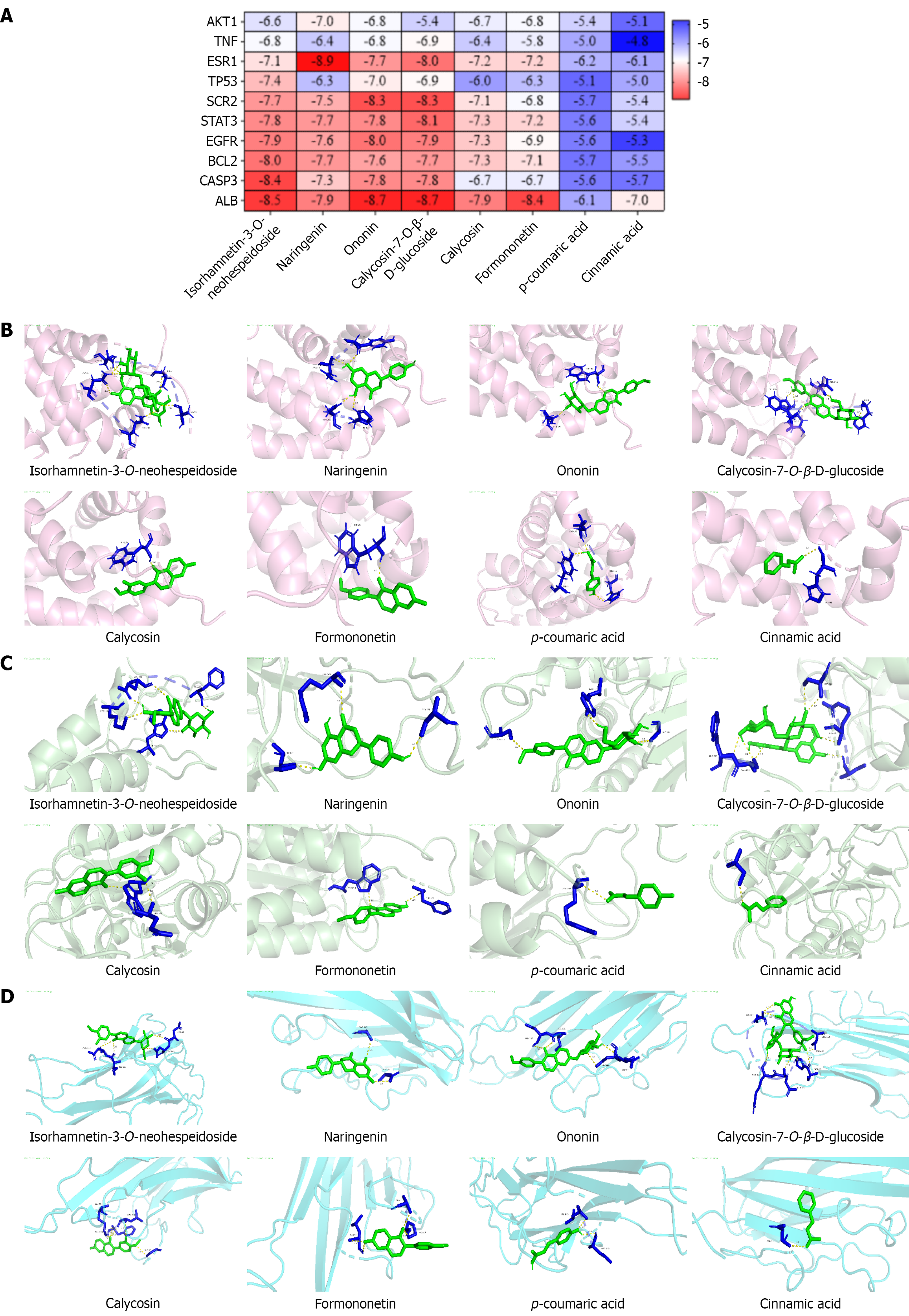
Figure 2 Molecular docking of 8 compounds and 10 core targets.
A: Heat map of minimum binding energy (red indicates strong binding activity, blue indicates relatively weak binding activity); B: The conformations of 8 compounds with Bcl2; C: The conformations of 8 compounds with CASP3; D: The conformations of 8 compounds with tumor necrosis factor. EGFR: Epidermal growth factor receptor; TNF: Tumor necrosis factor.
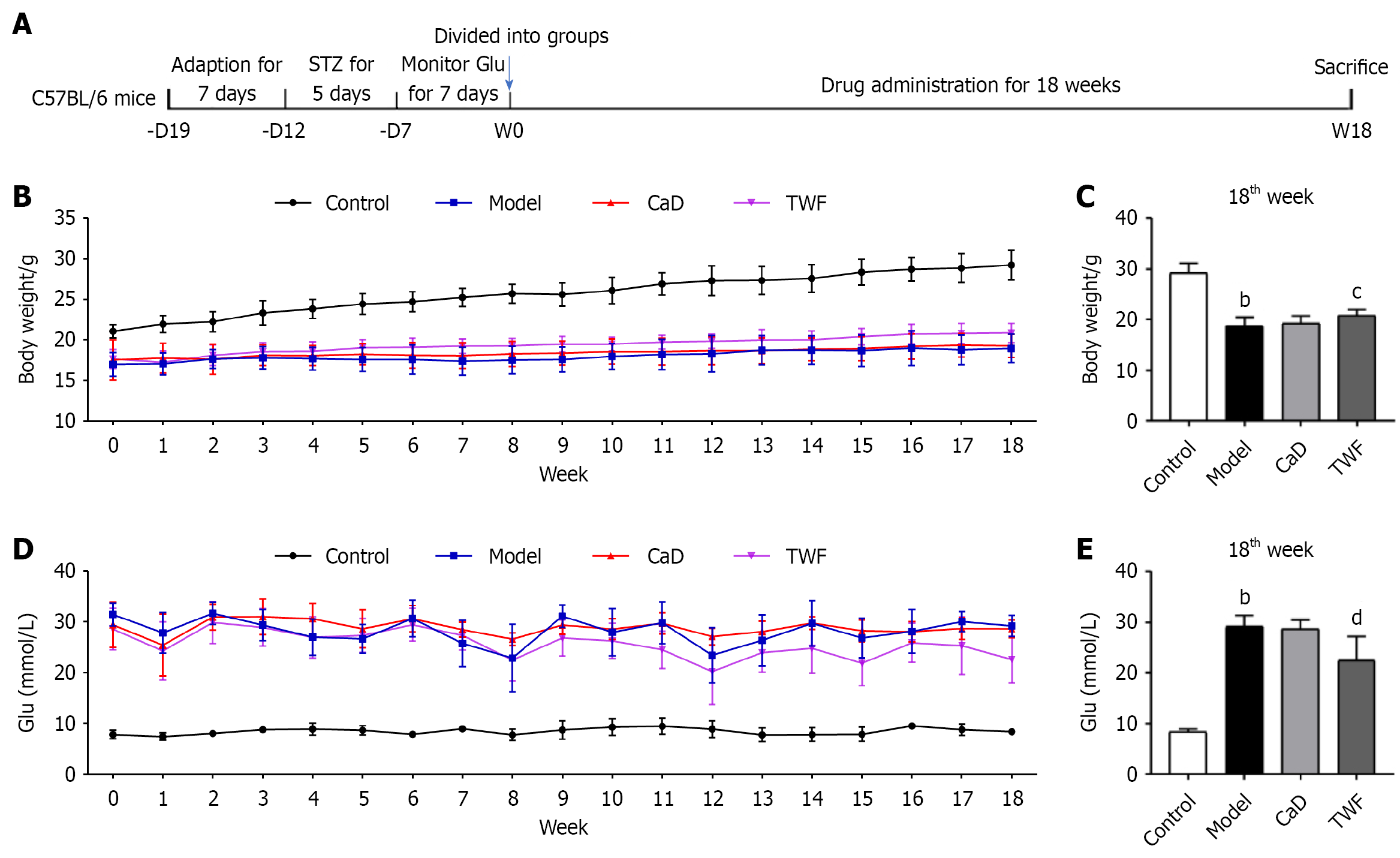
Figure 3 Effect of Tangwang formula on the body weight and blood glucose in diabetic retinopathy mice (n = 10).
A: Schematic representation of animal study design; B: Changes in body weight per week; C: Statistical analysis of body weight on the 18th week; D: Changes in random blood glucose per week; E: Statistical analysis of random blood glucose on the 18th week. The data are expressed as mean ± SD, bP < 0.01 vs control group, cP < 0.05 vs model group, and dP < 0.01 vs model group. CaD: Calcium dobesilate; Glu: Glucose; STZ: Streptozotocin; TWF: Tangwang formula.
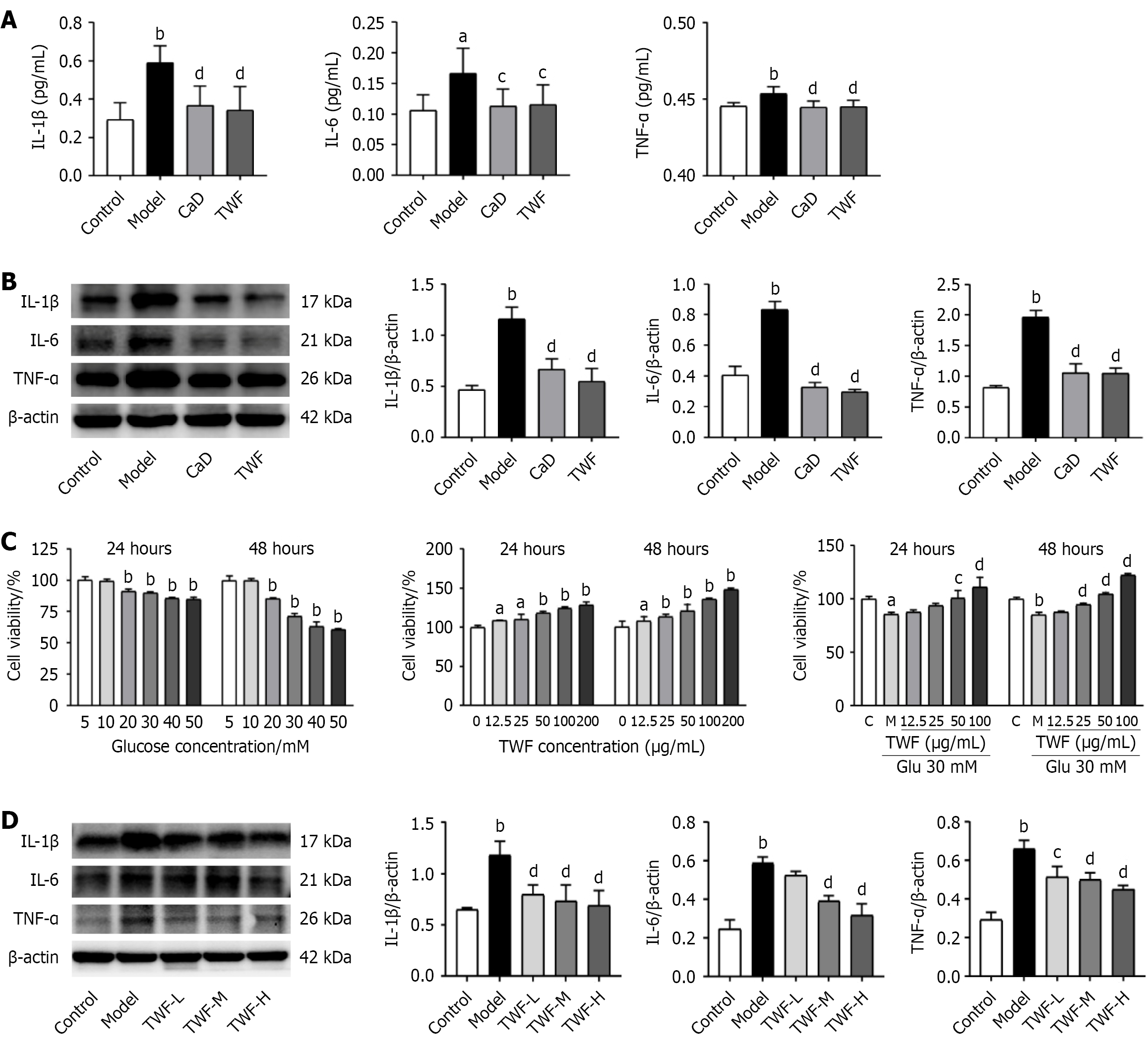
Figure 4 Effect of Tangwang formula on the proinflammatory factors in diabetic retinopathy mice (n = 10) and mouse retinal endothelial cells (n = 3).
A: The levels of proinflammatory factors in mouse serum; B: The protein expression of proinflammatory factors in the retina; C: Mouse retinal endothelial cells were cultured in a 96-well plate treated with glucose and Tangwang formula at 24 hours and 48 hours; D: The protein expression of proinflammatory factors in mouse retinal endothelial cells at 48 hours. The data are expressed as mean ± SD, aP < 0.05 vs control group, bP < 0.01 vs control group, cP < 0.05 vs model group, and dP < 0.01 vs model group. CaD: Calcium dobesilate; IL: Interleukin; TNF-α: Tumor necrosis factor-α: TWF: Tangwang formula; TWF-L: 30 mmol/L glucose with 25 μg/mL Tangwang formula; TWF-M: 30 mmol/L glucose with 50 μg/mL Tangwang formula; TWF-H: 30 mmol/L glucose with 100 μg/mL Tangwang formula.
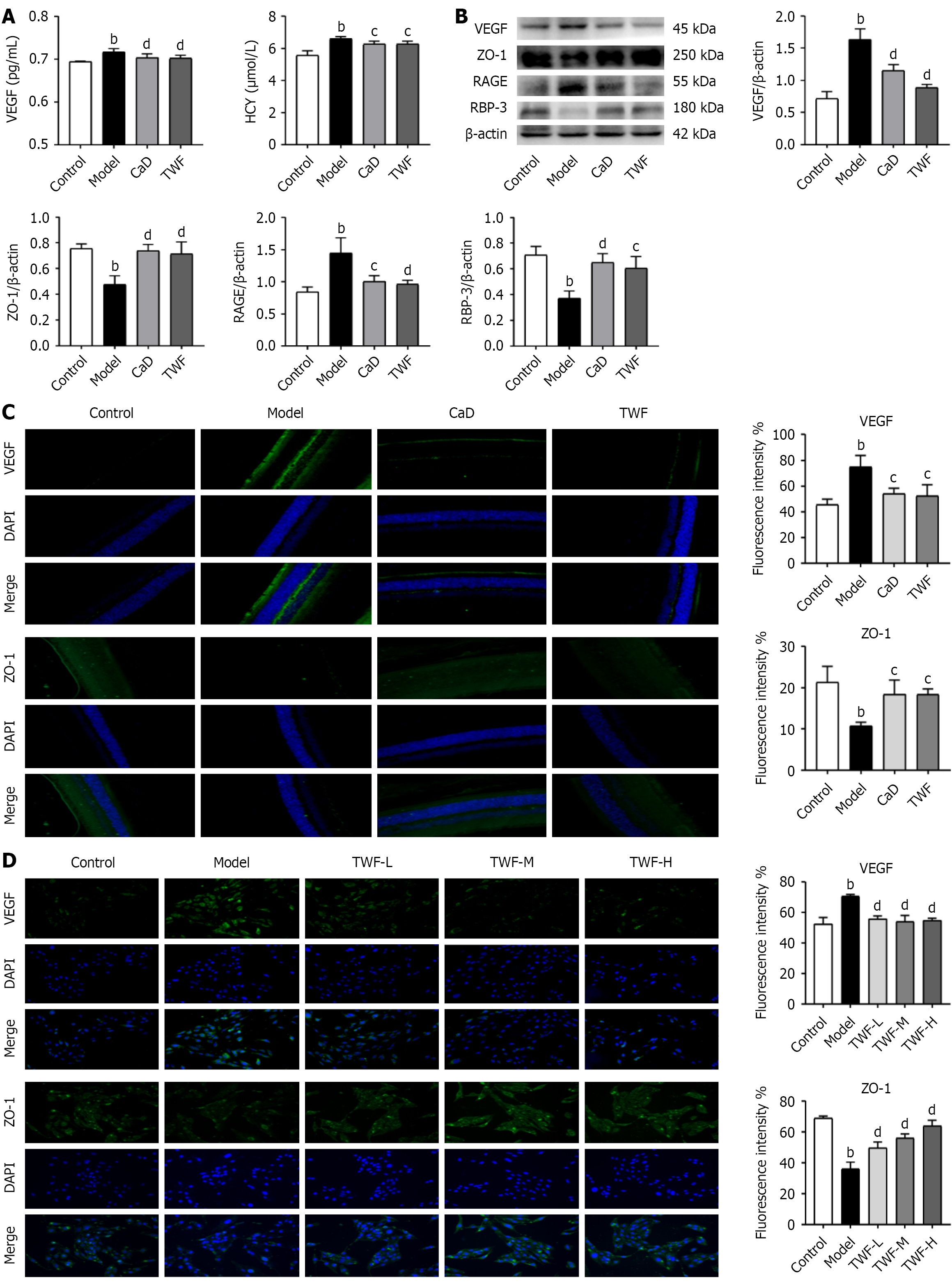
Figure 5 Effect of Tangwang formula on retinal injury in diabetic retinopathy mice (n = 10) and mouse retinal endothelial cells (n = 3).
A: The levels of tissue factors in mouse serum; B: The protein expression of tissue factors in the retina; C: Immunofluorescence staining of vascular endothelial growth factor and zonula occludens-1 in the retina of diabetic retinopathy mice; D: Immunofluorescence staining of vascular endothelial growth factor and zonula occludens-1 in mouse retinal endothelial cells at 48 hours. bP < 0.01 vs control group, cP < 0.05 vs model group, and dP < 0.01 vs model group. CaD: Calcium dobesilate; HCY: Homocysteine; RAGE: Receptor advanced glycation end products; TWF: Tangwang formula; TWF-L: 30 mmol/L glucose with 25 μg/mL Tangwang formula; TWF-M: 30 mmol/L glucose with 50 μg/mL Tangwang formula; TWF-H: 30 mmol/L glucose with 100 μg/mL Tangwang formula; VEGF: Vascular endothelial growth factor; ZO-1: Zonula occludens-1.
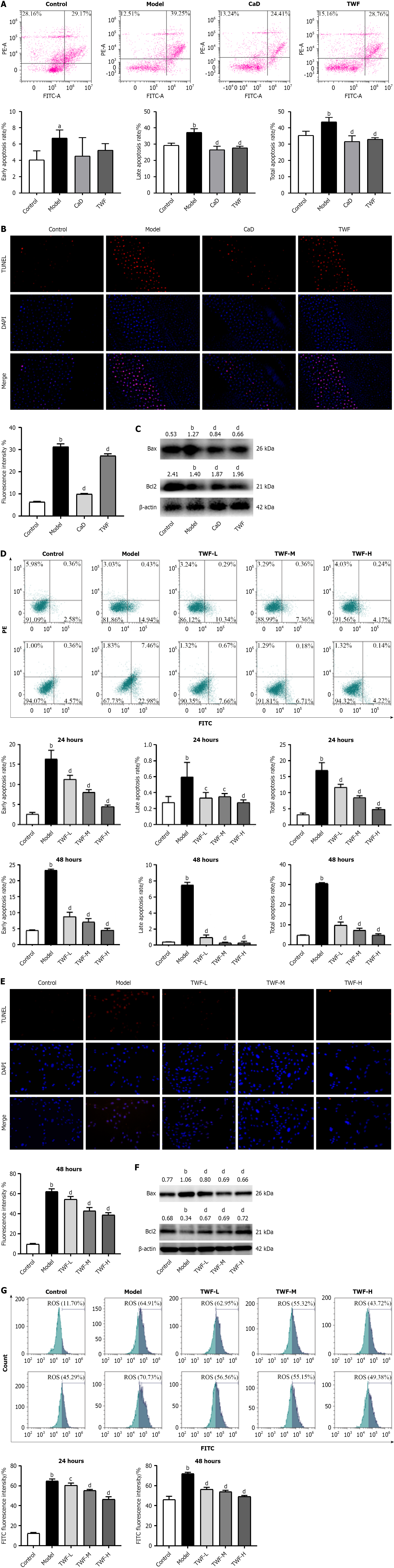
Figure 6 Effect of Tangwang formula on the cell apoptosis in diabetic retinopathy mice (n = 10) and mouse retinal endothelial cells (n = 3).
A: The cell apoptosis of the mouse retina; B: TUNEL staining of mouse retina; C: The protein expression of apoptosis-related proteins Bax and Bcl2 in mouse retina; D: The cell apoptosis of mouse retinal endothelial cells (mRECs) induced by 30 mmol/L glucose at 24 hours and 48 hours; E: TUNEL staining of mRECs at 48 hours; F: The protein expression of the apoptosis-related proteins Bax and Bcl2 in mRECs at 48 hours; G: The reactive oxygen species level of mRECs induced by 30 mmol/L glucose at 24 hours and 48 hours. The red dots indicated the TUNEL-positive apoptosis cell. The data are expressed as mean ± SD, aP < 0.05 vs control group, bP < 0.01 vs control group, cP < 0.05 vs model group, and dP < 0.01 vs model group. CaD: Calcium dobesilate; TWF: Tangwang formula; TWF-L: 30 mmol/L glucose with 25 μg/mL Tangwang formula; TWF-M: 30 mmol/L glucose with 50 μg/mL Tangwang formula; TWF-H: 30 mmol/L glucose with 100 μg/mL Tangwang formula.
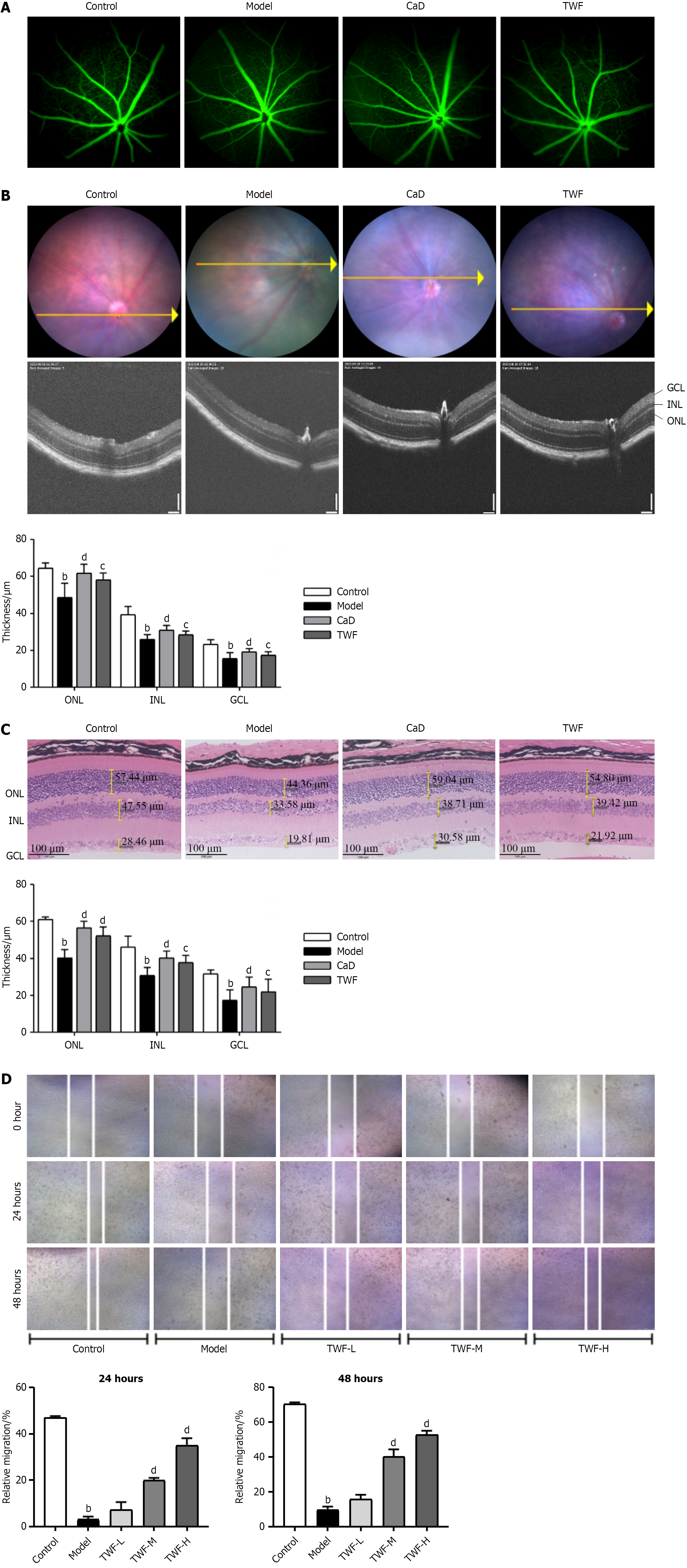
Figure 7 Effect of Tangwang formula on retinal microstructure in diabetic retinopathy mice (n = 10) and mouse retinal endothelial cells (n = 3).
A: Retinal microstructure was detected by optical coherence tomography; B: Retinal microvascular was detected by fundus fluorescein angiography; C: Hematoxylin and eosin staining of retina tissue; D: The images of horizontal migration by scratch assay at 24 and 48 h. The data are expressed as mean ± SD, bP < 0.01 vs control group, cP < 0.05 vs model group, and dP < 0.01 vs model group. CaD: Calcium dobesilate; GCL: Ganglion cell layer; INL: Inner nuclear layer; ONL: Outer nuclear layer; TWF: Tangwang formula; TWF-L: 30 mmol/L glucose with 25 μg/mL Tangwang formula; TWF-M: 30 mmol/L glucose with 50 μg/mL Tangwang formula; TWF-H: 30 mmol/L glucose with 100 μg/mL Tangwang formula.
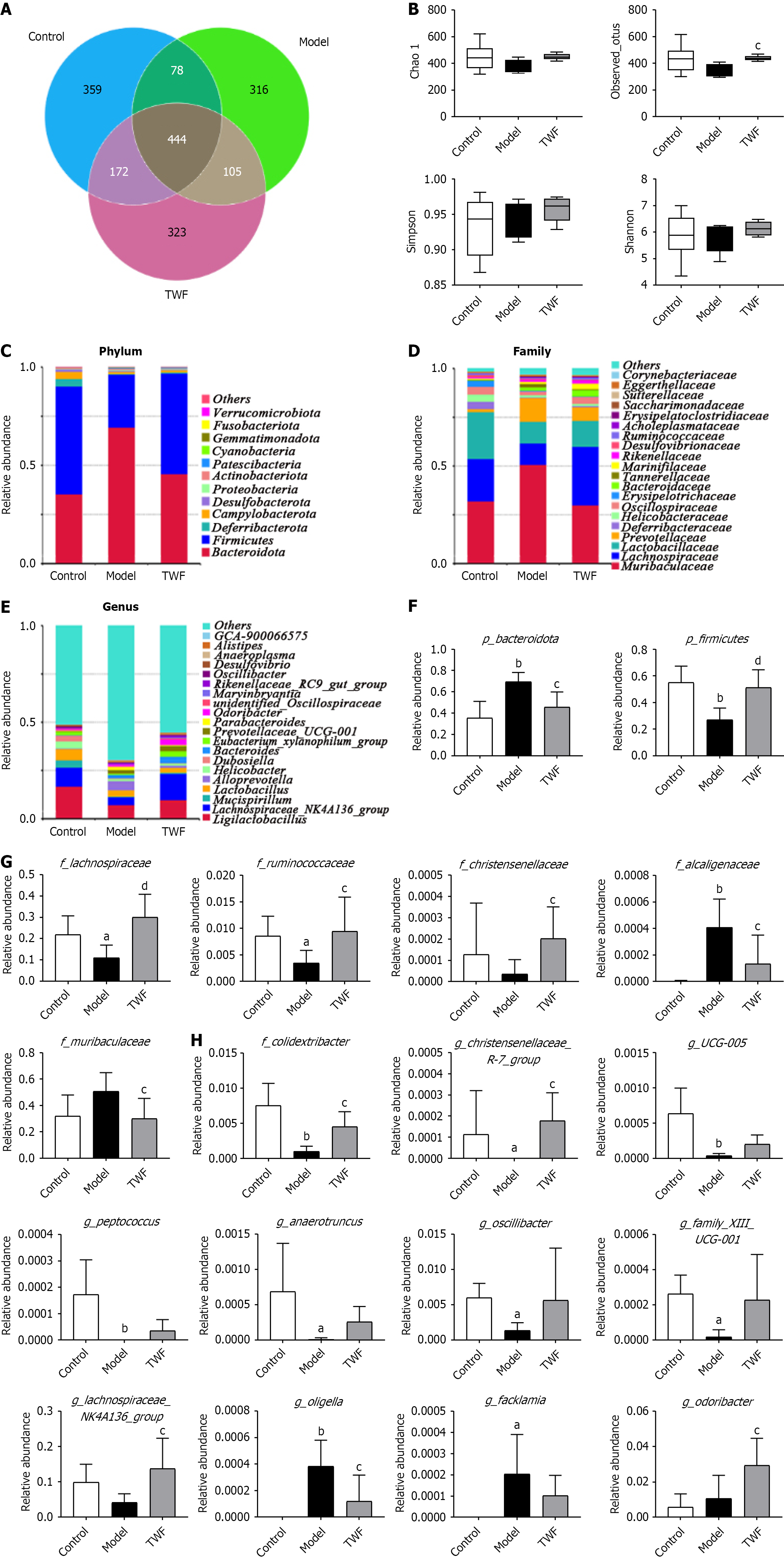
Figure 8 Effect of Tangwang formula on the composition of intestinal bacteria (n = 6).
A: Venn diagram of overlap ASV among groups; B: Alpha-diversity of intestinal bacteria; C: The relative abundances of the top 12 bacteria at the phylum level; D: The relative abundances of the top 20 bacteria at the family level; E: The relative abundances of the top 20 bacteria at the genus level; F: The relative abundances of p_bacteroidota and p_firmicutes at the phylum level; G: The relative abundances of 5 bacteria at the family level; H: The relative abundances of 11 bacteria at the genus level (p-phylum, c-class, o-order, f-family, g-genus). The data are expressed as mean ± SD, aP < 0.05 vs control group, bP < 0.01 vs control group, cP < 0.05 vs model group, and dP < 0.01 vs model group. TWF: Tangwang formula.
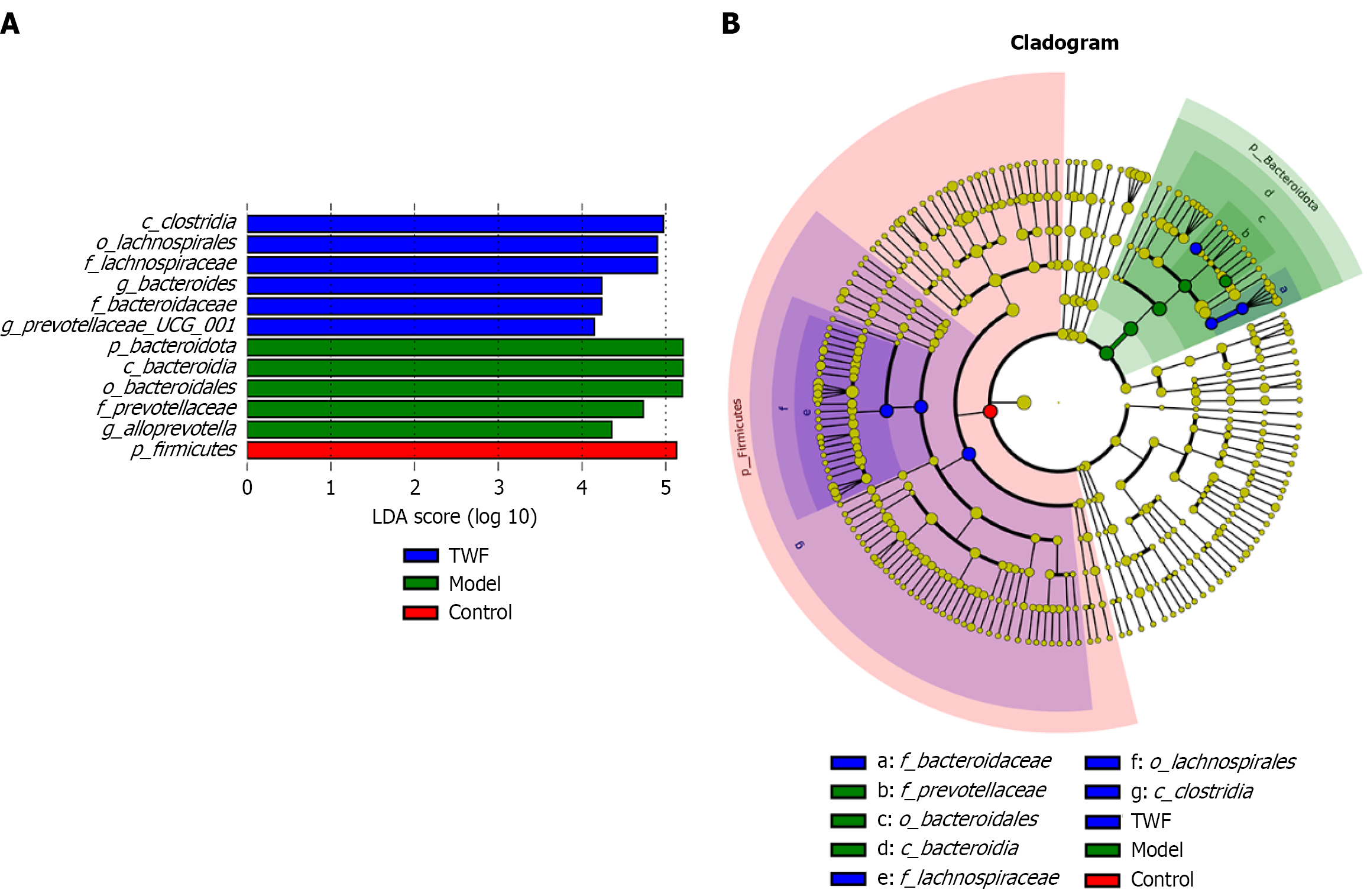
Figure 9 The LEfSe difference analysis of the relative abundance of intestinal microflora (n = 6).
A: Linear discriminative analysis scores; B: Taxonomic cladogram obtained from LEfSe sequence analysis. Biomarker taxa are highlighted by colored circles and shaded areas. Each circle reflects the abundance of taxa in the community (linear discriminative analysis Score > 4, Kruskal-Wallis test, false discovery rate, P < 0.05, p-phylum, c-class, o-order, f-family, g-genus). LDA: Linear discriminative analysis; TWF: Tangwang formula.
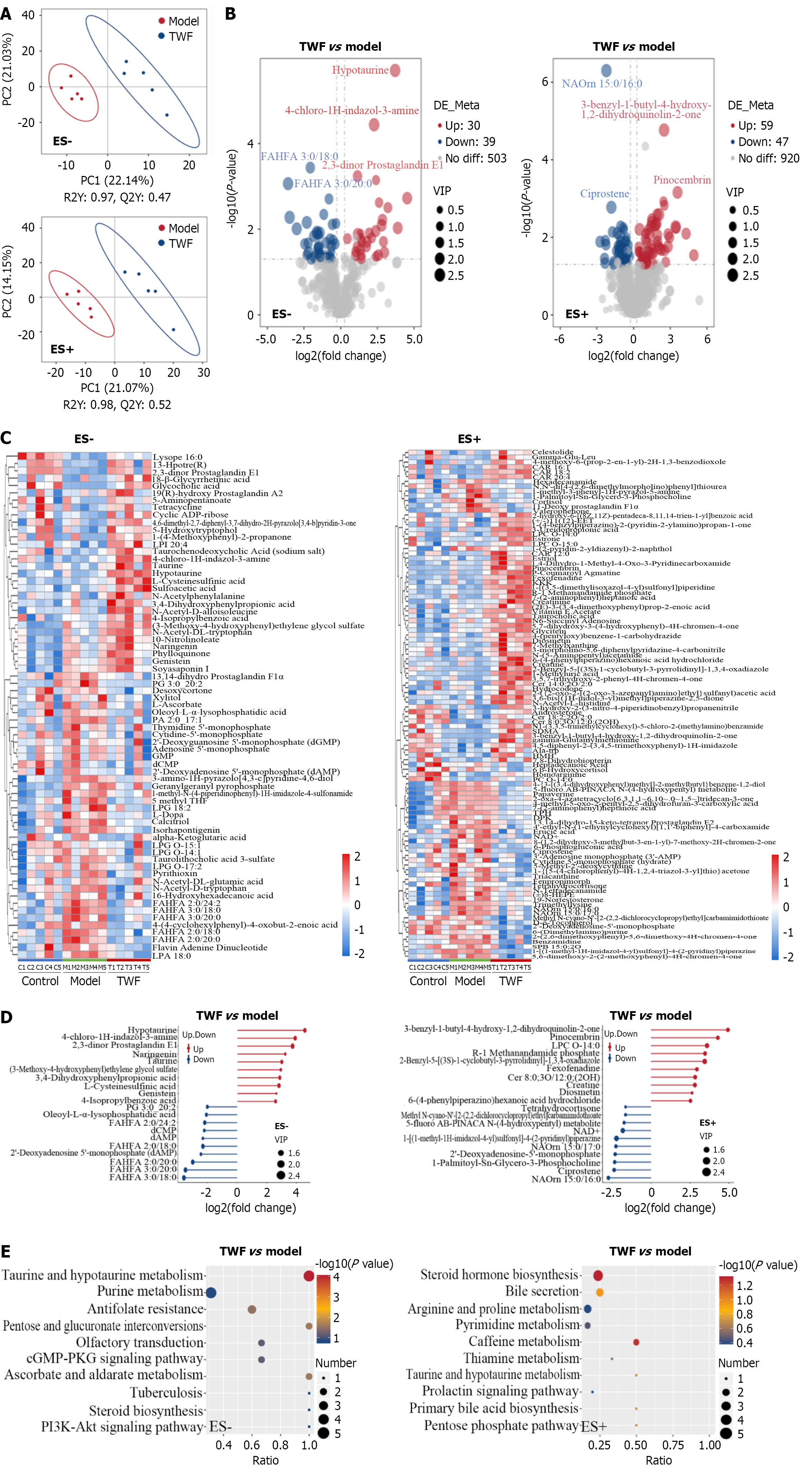
Figure 10 Tangwang formula changed the metabolic profiles of intestinal bacteria (n = 5).
A: Plots of partial least squares discriminant analysis for negative (ES-) and positive (ES+) ions in the model and Tangwang formula (TWF) groups; B: Volcano plot of differentially expressed metabolites between TWF and model groups for ES- and ES+ ions. Red and blue circles indicate significantly up-regulated and down-regulated metabolites, respectively (|fold change| > 1.5, P < 0.05); C: Heatmap of 70 (ES- ion) and 106 (ES+ ion) metabolites among the three groups. The normalized abundance values are depicted visually, where red represents the up-regulated metabolites and blue represents the down-regulated metabolites, respectively; D: Differential metabolites (top 20) in TWF group compared with model group in the ES- and ES+ ions; E: Enriched Kyoto Encyclopedia of Genes and Genomes pathways of differential metabolites in ES- ion and ES+ ion. TWF: Tangwang formula.
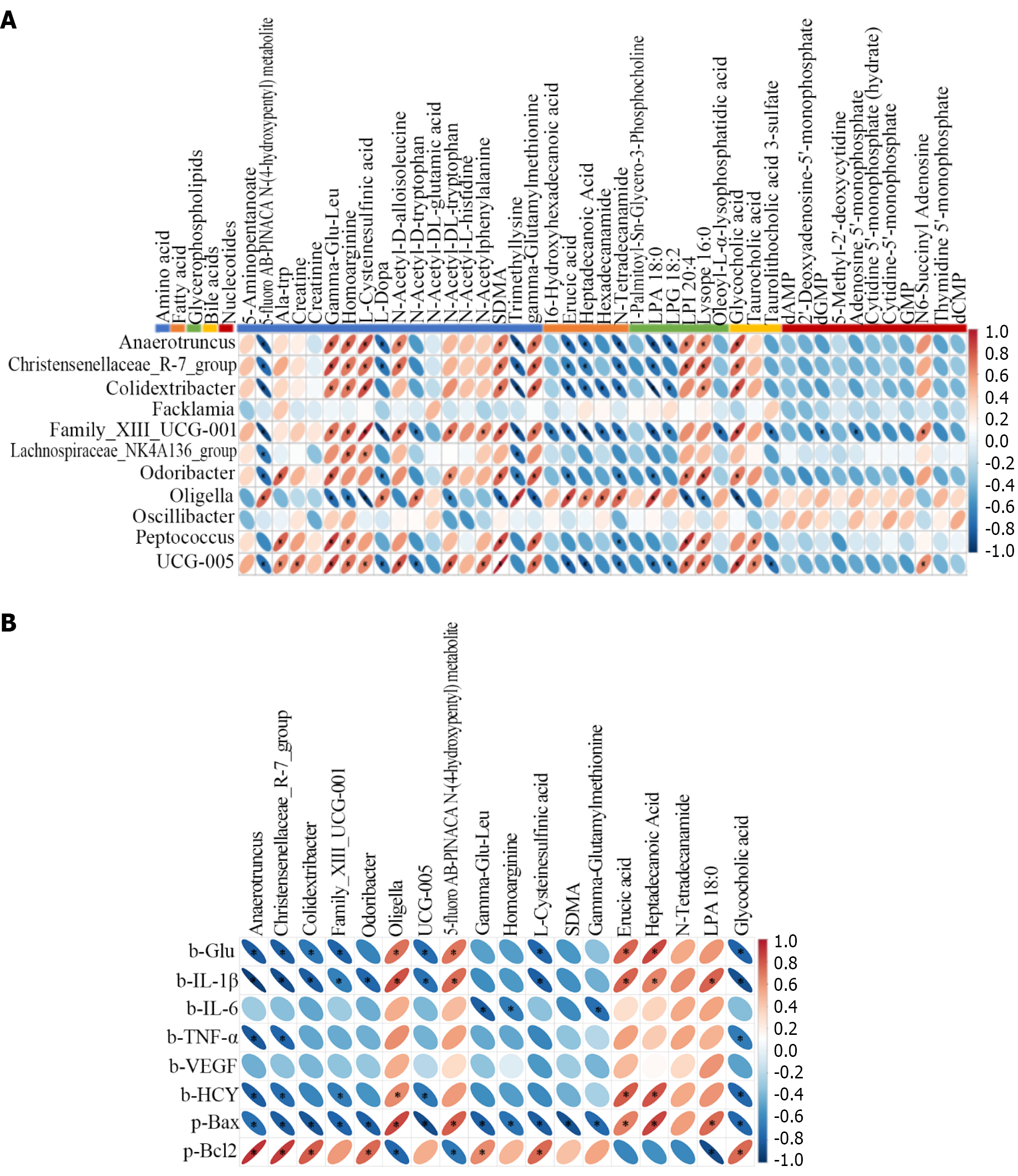
Figure 11 Spearman’s correlation analysis.
A: Spearman’s correlation analysis between intestinal bacteria and metabolites; B: Spearman’s correlation analysis between intestinal bacteria/metabolites and serum indicators/apoptosis-related proteins. b-glu: Blood glucose; b-IL-1β: Blood interleukin-1β; b-TNF-α: Blood tumor necrosis factor-α; b-HCY: Blood homocysteine; b-VEGF: Blood vascular endothelial growth factor; p-Bax: Bax protein; p-Bcl2: Bcl2 protein in retina.
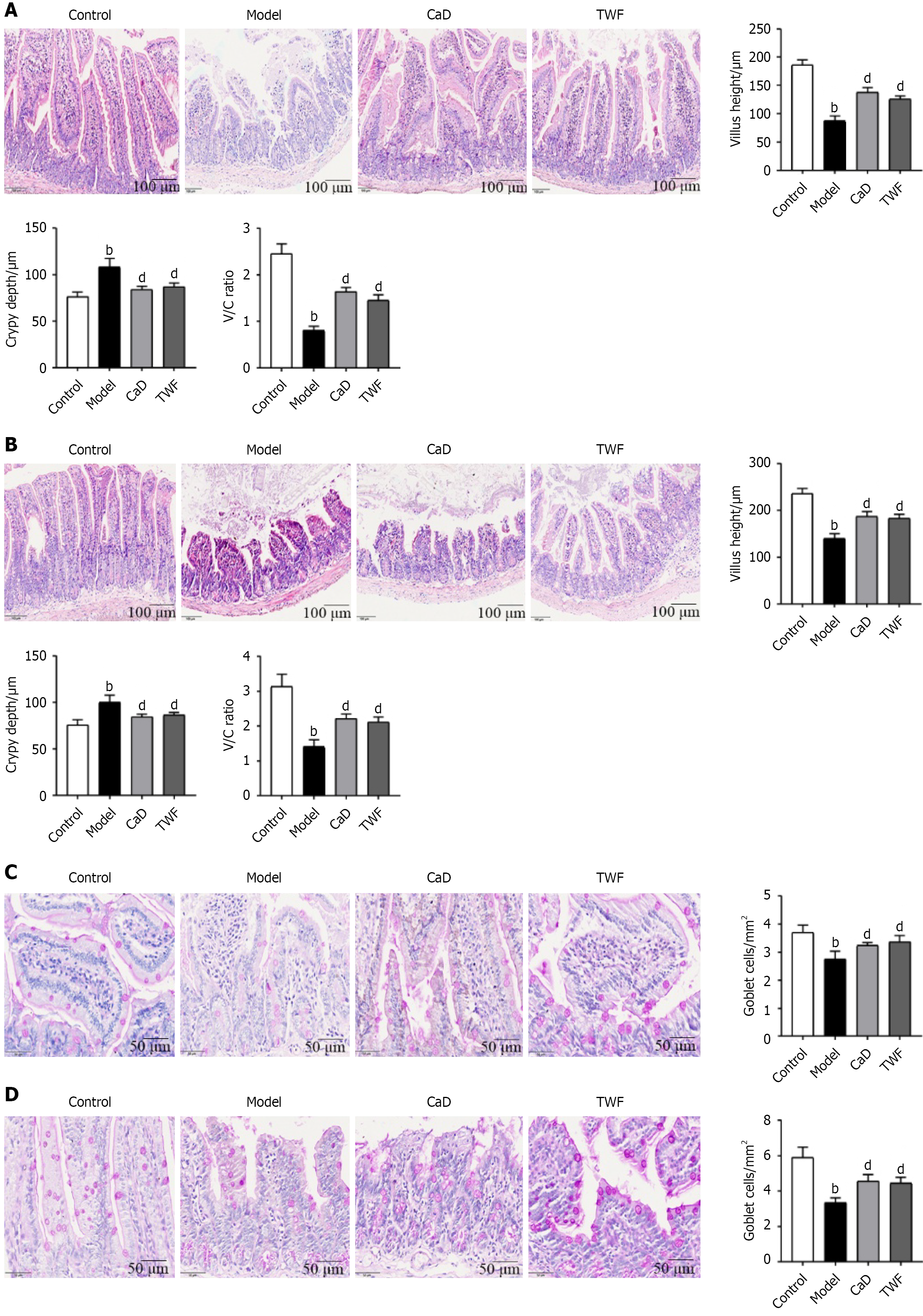
Figure 12 Tangwang formula improved jejunum and ileum histopathology in diabetic retinopathy mice (n = 6, 40 ×).
A: Hematoxylin and eosin staining of the jejunum, and statistical analysis of villus height, crypt depth, and villus height/crypt depth ratio; B: Hematoxylin and eosin staining of the ileum, and statistical analysis of villus height, crypt depth, and villus height/crypt depth ratio; C: Periodic acid-Schiff staining of the jejunum, and the number of goblet cell; D: Periodic acid-Schiff staining of the ileum, and the number of goblet cell. The data are expressed as mean ± SD, bP < 0.01 vs control group, and dP < 0.01 vs model group. CaD: Calcium dobesilate; TWF: Tangwang formula.
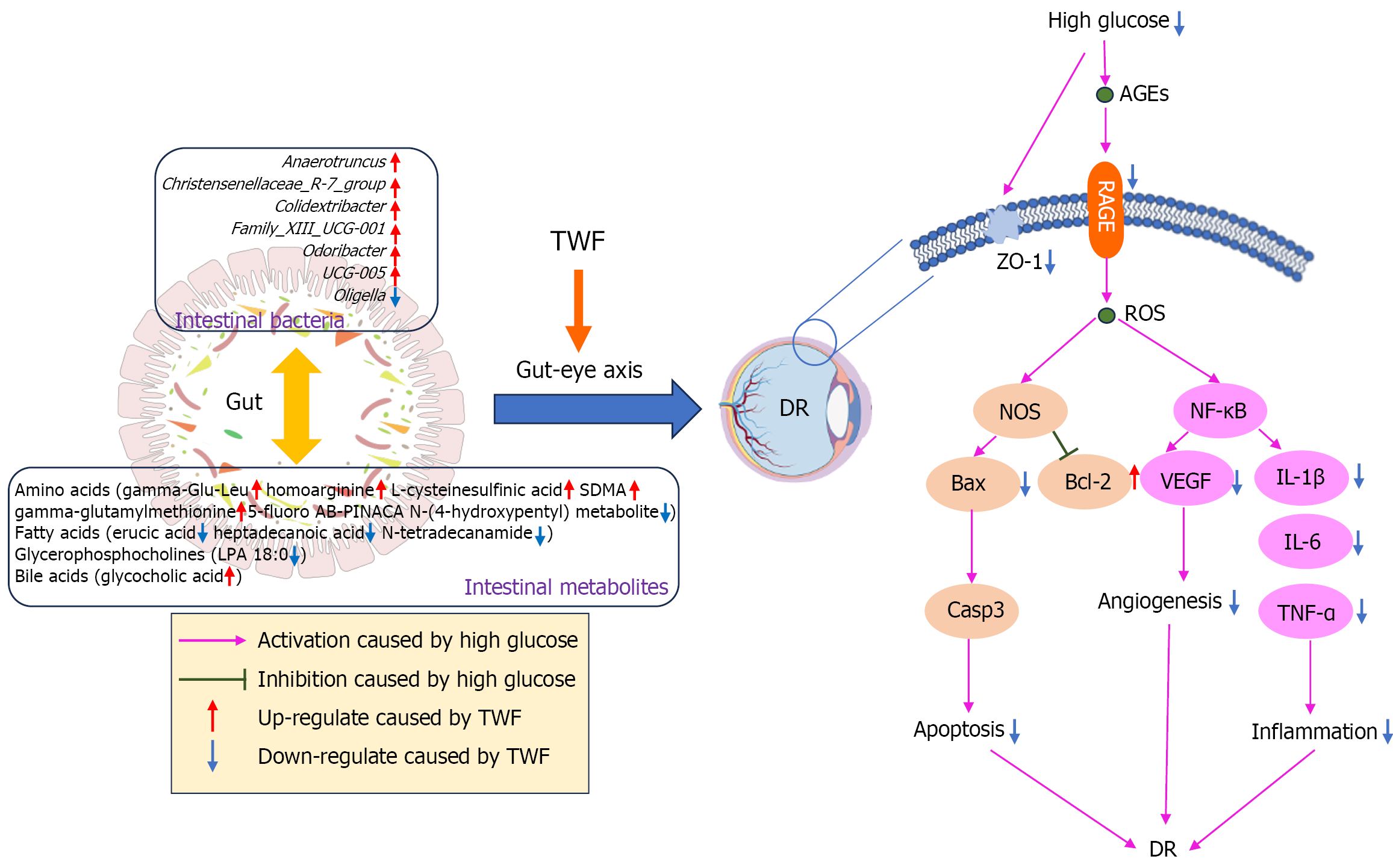
Figure 13 Mechanism of Tangwang formula ameliorates diabetic retinopathy via gut-eye axis.
AGEs: Advanced glycation end products; DR: Diabetic retinopathy; IL: Interleukin; NF-κB: Nuclear factor kappa B; NOS: Nitric oxide synthase; ROS: Reactive oxygen species; TNF-α: Tumor necrosis factor-α; TWF: Tangwang formula; ZO-1: Zonula occludens-1.
- Citation: Zhang H, Xing JX, Yin YF, Li J, Jing CX, Liu SY, Yin JZ, Gao X, Liang ZG, Yuan TY, Su H, Li YQ, Wang ZY, Dong HS, Zhao DQ, Ying DS, Zhou ZW, Huang QX. Tangwang formula ameliorates diabetic retinopathy by inhibiting cell apoptosis and regulating the intestinal microbiota and metabolic profiles. World J Diabetes 2026; 17(6): 118650
- URL: https://www.wjgnet.com/1948-9358/full/v17/i6/118650.htm
- DOI: https://dx.doi.org/10.4239/wjd.118650