
















Copyright: ©Author(s) 2026.
World J Diabetes. Jun 15, 2026; 17(6): 118576
Published online Jun 15, 2026. doi: 10.4239/wjd.118576
Published online Jun 15, 2026. doi: 10.4239/wjd.118576
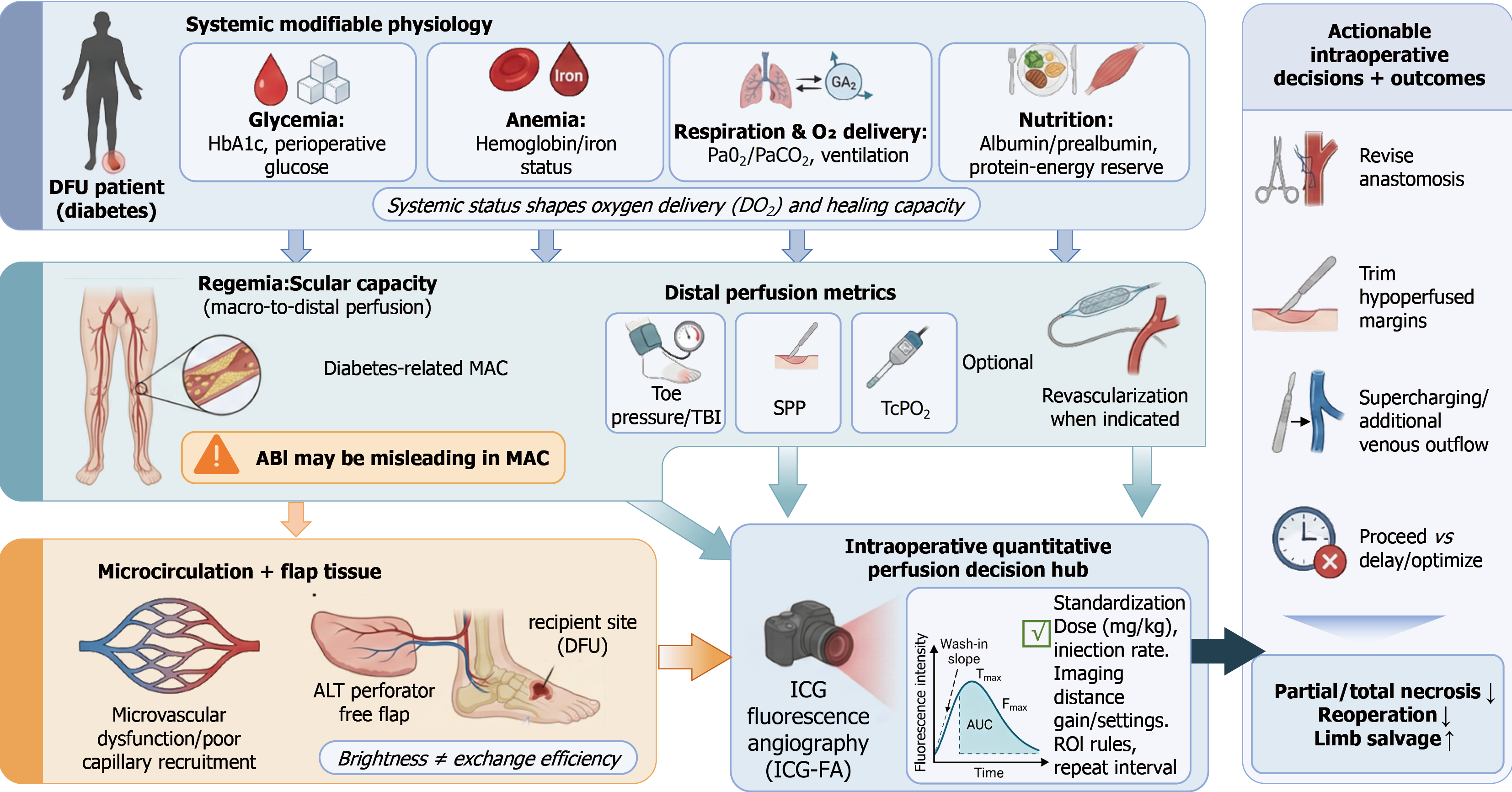
Figure 1 Improving anterolateral thigh free-flap perfusion reliability in diabetic foot ulcers.
This schematic frames anterolateral thigh (ALT) free-flap perfusion in diabetic foot ulcer (DFU) as an integrated continuum linking systemic modifiable physiology - glycemic status [hemoglobin A1c (HbA1c)/perioperative glucose], anemia/iron status, respiration and oxygen delivery (DO2) [arterial partial pressure of carbon dioxide/oxygen (PaCO2/PaO2), ventilation], and nutritional reserve (albumin/prealbumin) - to regional vascular capacity in the setting of diabetes-related medial arterial calcification (MAC), where ankle-brachial index (ABI) may be misleading, and distal perfusion should be characterized using toe pressure/toe-brachial index (TBI), skin perfusion pressure (SPP), and transcutaneous oxygen tension (TcPO2), with revascularization when indicated. These layers converge with microcirculatory dysfunction and impaired capillary recruitment at the flap and recipient-site level (conceptual note: “Brightness ≠ exchange efficiency”). The central intraoperative quantitative perfusion decision hub integrates systemic status, distal perfusion context, and standardized indocyanine green fluorescence angiography (ICG-FA) acquisition, emphasizing fluorescence-time curve kinetics [wash-in slope, time to maximum intensity, maximum fluorescence intensity, area under the curve (AUC)] rather than single intensity snapshots. Outputs are actionable intraoperative strategies (revise anastomosis, trim hypoperfused margins, supercharging/additional venous outflow, proceed vs delay/optimize) to reduce partial/total necrosis and reoperation and improve limb salvage. ROI: Region of interest.
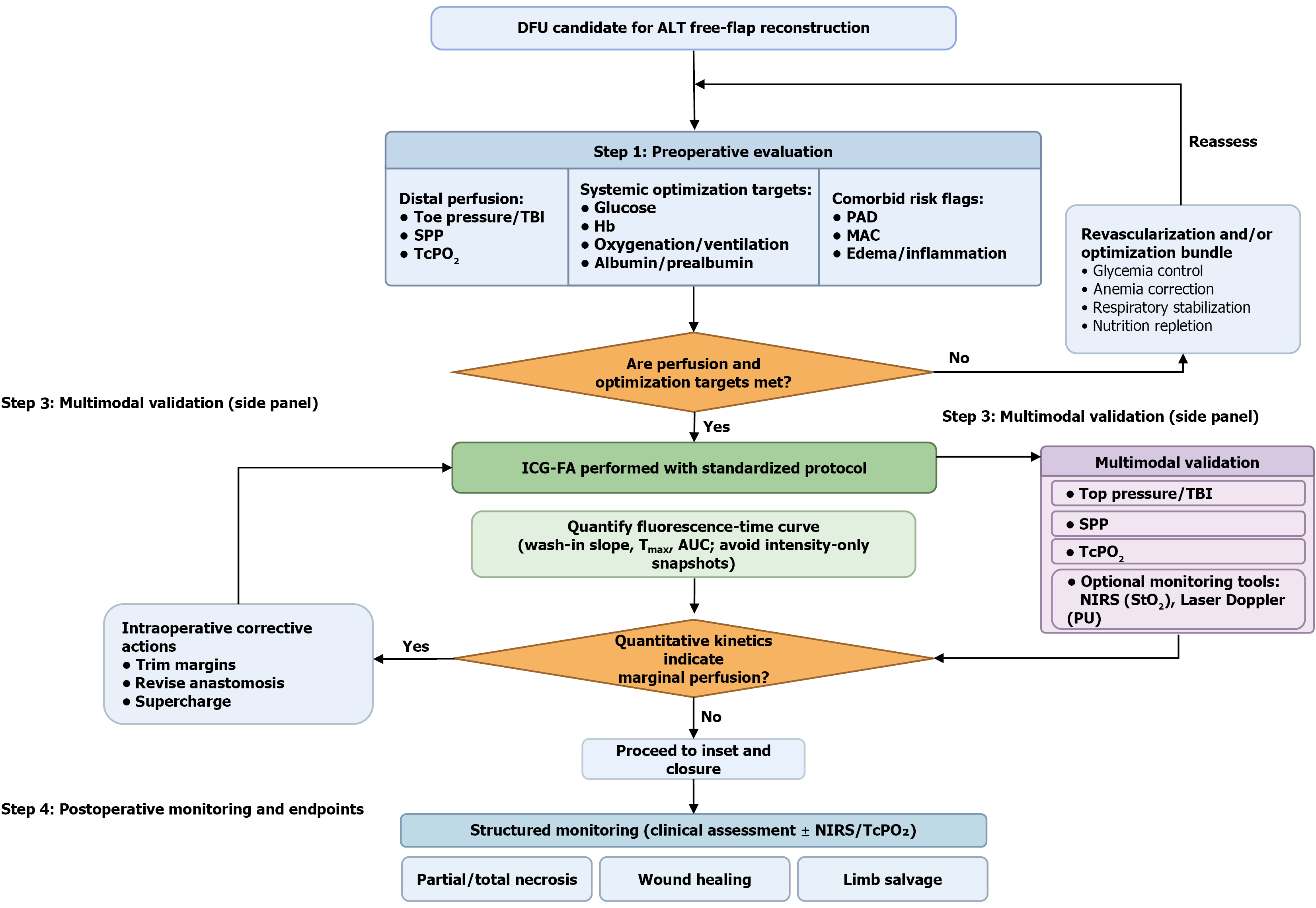
Figure 2 Quantitative, multimodal pathway for anterolateral thigh flap perfusion in diabetic foot ulcer.
This workflow summarizes a stepwise, bundle-based algorithm for diabetic foot ulcer (DFU) candidates undergoing anterolateral thigh (ALT) free-flap reconstruction. Step 1 (preoperative evaluation) integrates distal perfusion testing [toe pressure/toe-brachial index (TBI), skin perfusion pressure (SPP), transcutaneous oxygen tension (TcPO2)], systemic optimization targets [glucose control, hemoglobin (Hb), oxygenation/ventilation, nutritional reserve], and comorbidity risk flags [peripheral artery disease (PAD), medial arterial calcification (MAC), edema/inflammation]. If perfusion and optimization targets are not met, an optimization/revascularization bundle is initiated and reassessed before proceeding. Step 2 (intraoperative perfusion imaging) applies indocyanine green fluorescence angiography (ICG-FA) under a standardized acquisition protocol and prioritizes fluorescence-time curve quantification [e.g., wash-in slope, time-to-peak, area under the curve (AUC)] to avoid intensity-only snapshots. Step 3 (multimodal validation) cross-checks ICG-FA kinetics against distal perfusion metrics and optional monitoring tools (near-infrared spectroscopy [NIRS]/tissue oximetry and laser Doppler perfusion) to adjudicate marginal perfusion. When quantitative kinetics suggest borderline perfusion, targeted intraoperative corrective actions (trim hypoperfused margins, revise anastomosis, supercharging) are implemented; otherwise, the surgeon proceeds to inset/closure. Step 4 (postoperative monitoring and endpoints) emphasizes structured surveillance (clinical assessment with optional near-infrared spectroscopy/TcPO2) and links the pathway to clinically meaningful outcomes, including partial/total necrosis, wound healing, and limb salvage. Tmax: Time to maximum fluorescence intensity; StO2: Tissue oxygen saturation; PU: Perfusion units.
- Citation: Lu PY, Hao ZY, Xing GW, Zhang PF, Liu YS, Li WY, Xu MJ. Improving intraoperative perfusion reliability in anterolateral thigh free flap reconstruction for diabetic foot ulcers. World J Diabetes 2026; 17(6): 118576
- URL: https://www.wjgnet.com/1948-9358/full/v17/i6/118576.htm
- DOI: https://dx.doi.org/10.4239/wjd.118576