
















Copyright: ©Author(s) 2026.
World J Diabetes. Jun 15, 2026; 17(6): 117524
Published online Jun 15, 2026. doi: 10.4239/wjd.117524
Published online Jun 15, 2026. doi: 10.4239/wjd.117524
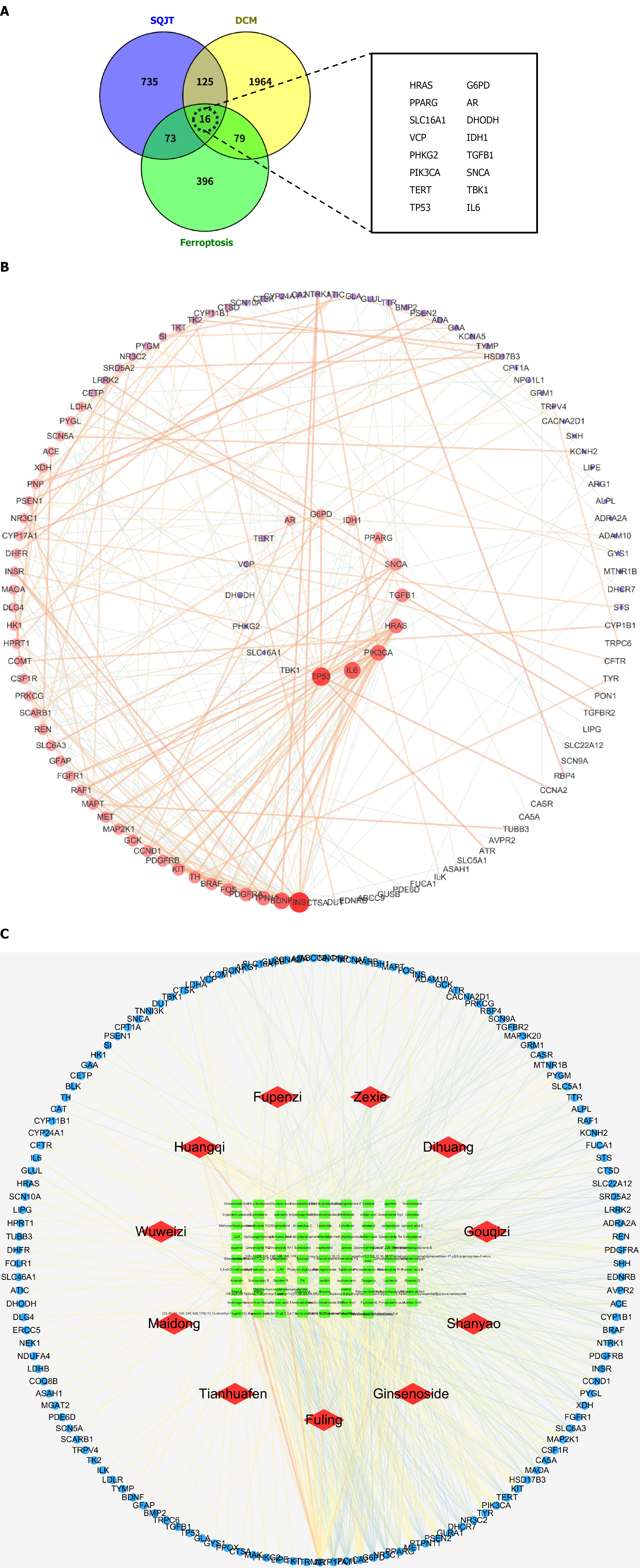
Figure 1 Shenqi Jiangtang Granules-ferroptosis-diabetic cardiomyopathy target network construction and protein-protein interaction analysis.
A: Venn diagram of Shenqi Jiangtang Granules (SQJT), diabetic cardiomyopathy, and ferroptosis-related targets showing 16 overlapping genes; B: Protein-protein interaction network of ferroptosis-associated targets; C: Compound-target network of SQJT illustrating multi-component, multi-target interactions. SQJT: Shenqi Jiangtang Granules; DCM: Diabetic cardiomyopathy.
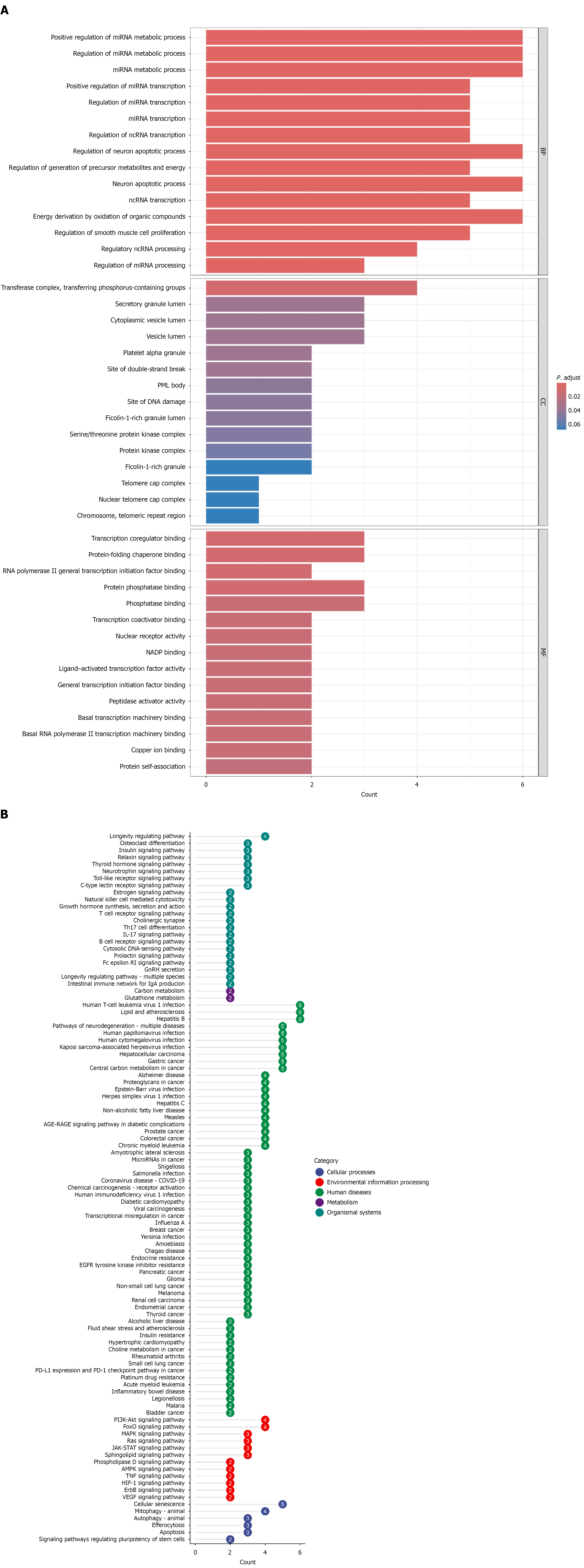
Figure 2 Gene Ontology and Kyoto Encyclopedia of Genes and Genomes enrichment analyses of intersection targets.
A: Gene Ontology enrichment of overlapping targets, including biological processes, cellular components, and molecular functions; B: Kyoto Encyclopedia of Genes and Genomes enrichment pathways, highlighting ferroptosis-related signaling pathways such as AGE-RAGE, PI3K-Akt, AMPK, TNF, HIF-1, and apoptosis.
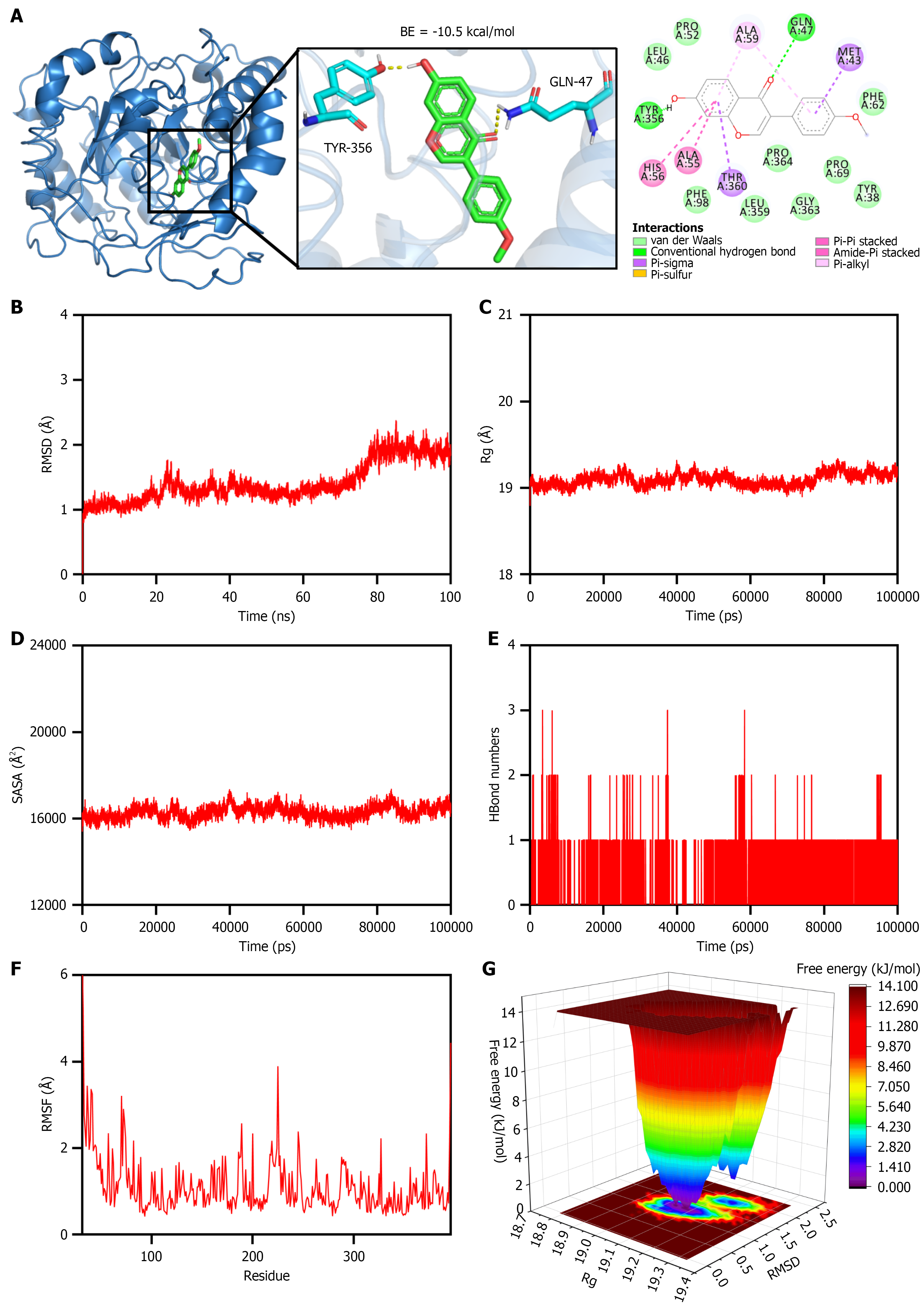
Figure 3 Molecular docking and molecular dynamics simulations of the formononetin- dihydroorotate dehydrogenase complex.
A: Molecular docking showing the binding mode of formononetin with dihydroorotate dehydrogenase (DHODH; binding energy = -10.5 kcal/mol); B-G: Molecular dynamics simulation analyses of the formononetin-DHODH complex, including root mean square deviation, radius of gyration, solvent-accessible surface area, number of hydrogen bonds, root mean square fluctuation, and free energy landscape, indicating stable binding and conformational stability. RMSD: Root mean square deviation; Rg: Radius of gyration; SASA: Solvent-accessible surface area; RMSF: Root mean square fluctuation.
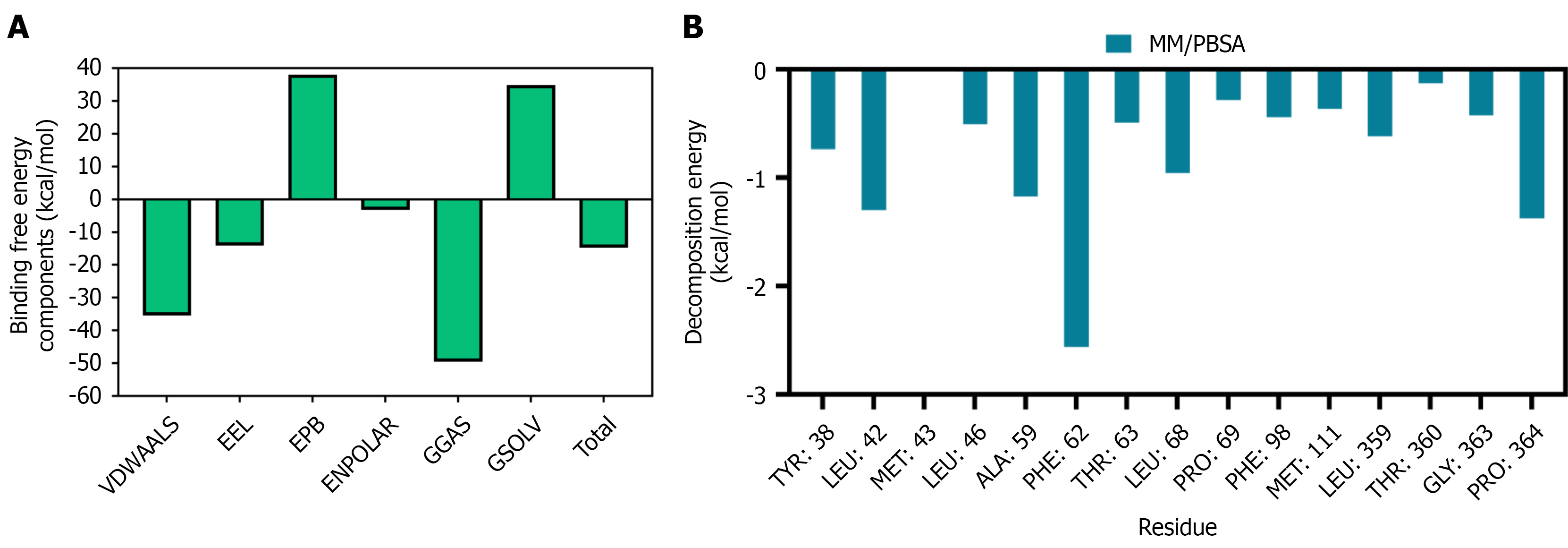
Figure 4 Molecular Mechanics/Poisson-Boltzmann Surface Area binding free energy and residue decomposition analysis.
A: Binding free energy decomposition of the formononetin-dihydroorotate dehydrogenase complex, showing major energy components; B: Per-residue free energy contribution analysis, with PHE62, PRO364, LEU42, ALA59, and LEU68 contributing most significantly to binding. MM/PBSA: Molecular Mechanics/Poisson-Boltzmann Surface Area.
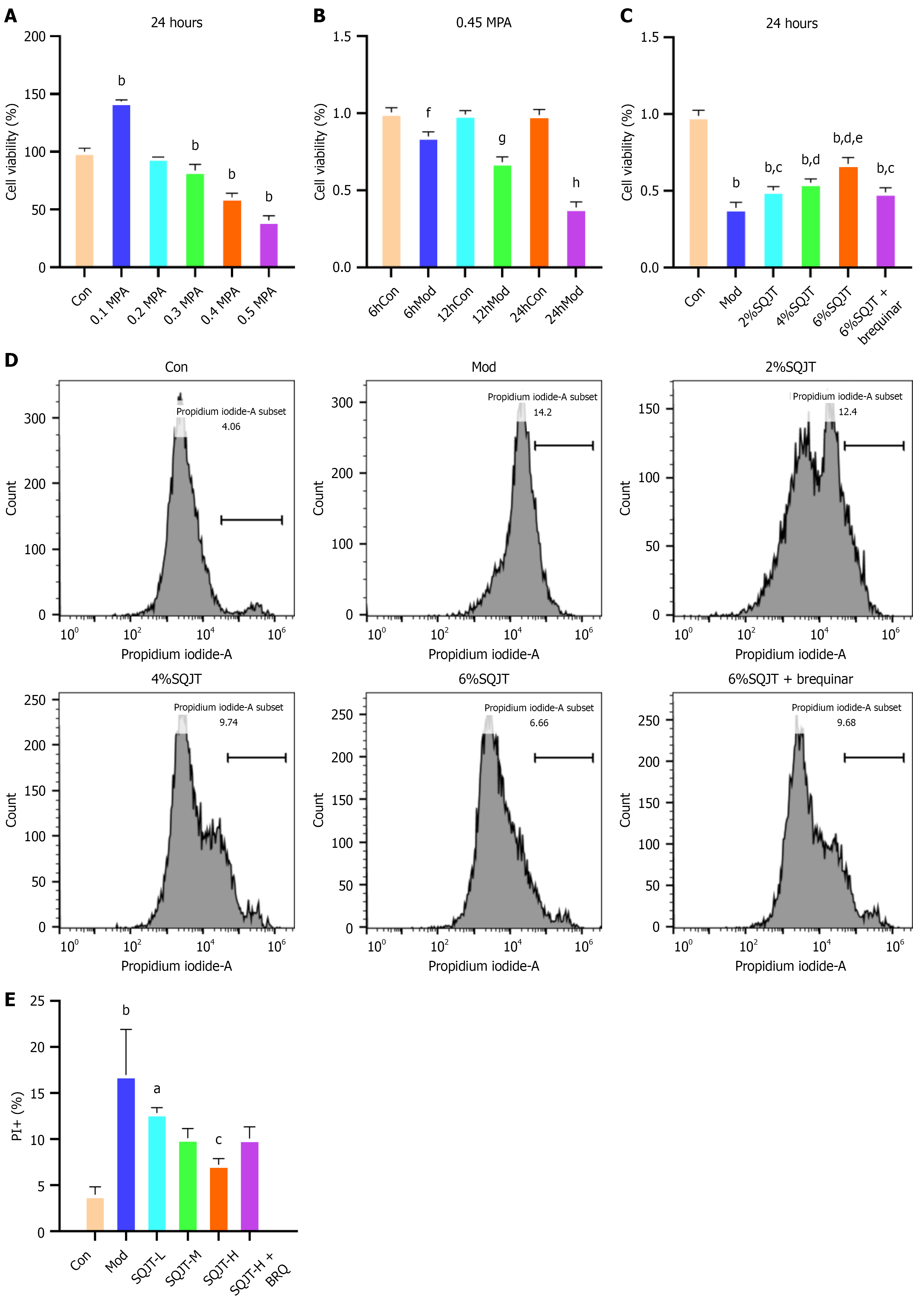
Figure 5 Shenqi Jiangtang Granules significantly attenuate H9C2 cell injury.
A: CCK-8 assay showing the effects of high glucose combined with different concentrations of palmitic acid (PA) on H9C2 cells (0-0.5 mmol/L); B: Effects of high glucose combined with 0.45 mmol/L PA for 6-, 12-, and 24-hour on H9C2 cell injury; C: Dose-dependent protective effects of Shenqi Jiangtang Granules (SQJT)-containing serum against glucolipotoxicity-induced H9C2 cell injury. Low-, medium-, and high-dose groups correspond to 2%, 4%, and 6%, respectively; D and E: Flow cytometry analysis of propidium iodide-positive cells (n = 3). aP < 0.05 vs control; bP < 0.01 vs control; cP < 0.05 vs model group; dP < 0.01 vs model group; eP < 0.01 vs SQJT-high + brequinar; fP < 0.01 vs 6 hours control; gP < 0.01 vs 12 hours control; hP < 0.01 vs 24 hours control.
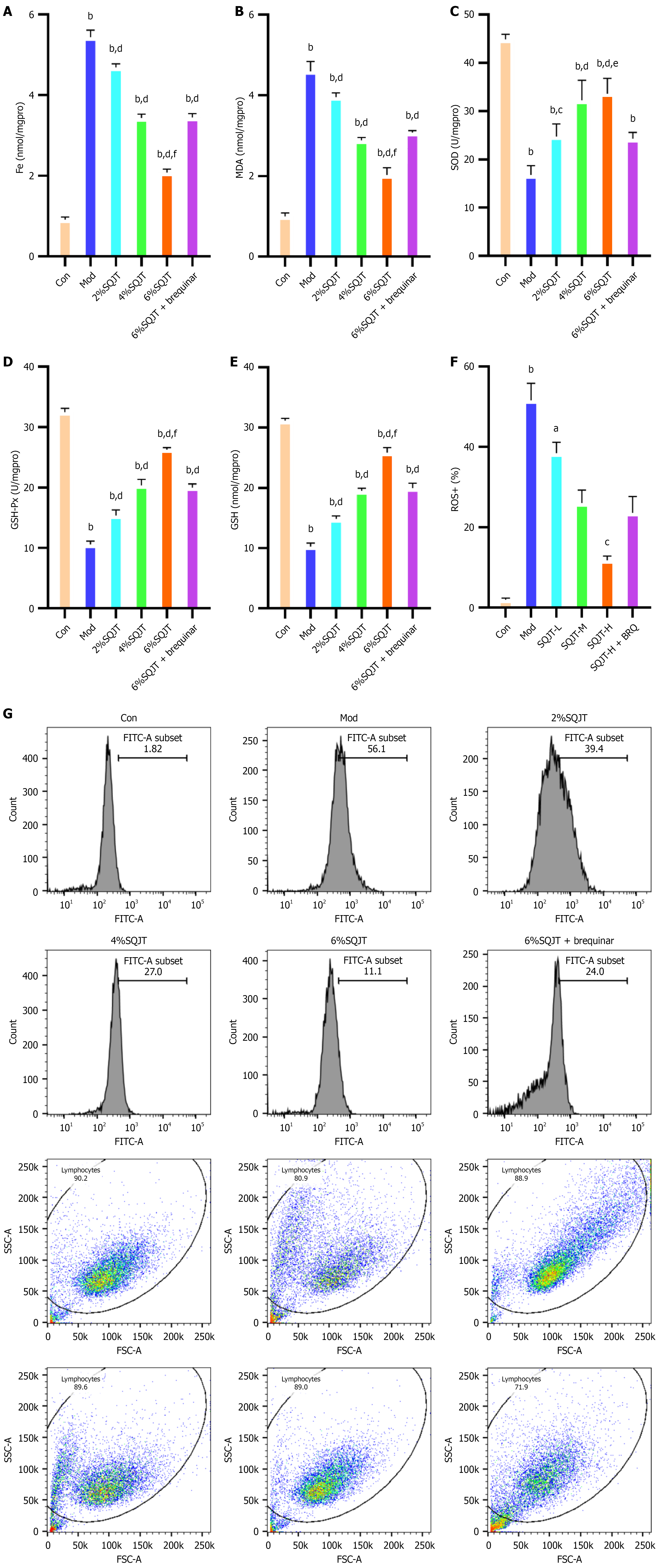
Figure 6 Shenqi Jiangtang Granules enhance antioxidant defense of H9C2 cells under glucolipotoxicity.
A: Intracellular free iron quantified by colorimetric assay; B: Malondialdehyde (MDA), the end product of lipid peroxidation, measured using the thiobarbituric acid-MDA condensation assay; C: Superoxide dismutase activity quantified by the WST-1 method; D: Glutathione peroxidase activity quantified by colorimetric assay; E: Glutathione quantified by the 5,5′-dithiobis-(2-nitrobenzoic acid) colorimetric/spectrophotometric assay; F and G: Flow cytometric detection of reactive oxygen species-positive cells using fluorescent probes (n = 3). aP < 0.05 vs control; bP < 0.01 vs control; cP < 0.05 vs model group; dP < 0.01 vs model group; eP < 0.05 vs Shenqi Jiangtang Granules-high (SQJT-H) + brequinar (BRQ); fP < 0.01 vs SQJT-H + BRQ. Con: Control; Mod: Model; SQJT: Shenqi Jiangtang Granules; MDA: Malondialdehyde; SOD: Superoxide dismutase; GSH: Glutathione; GSH-Px: Glutathione peroxidase; ROS: Reactive oxygen species.
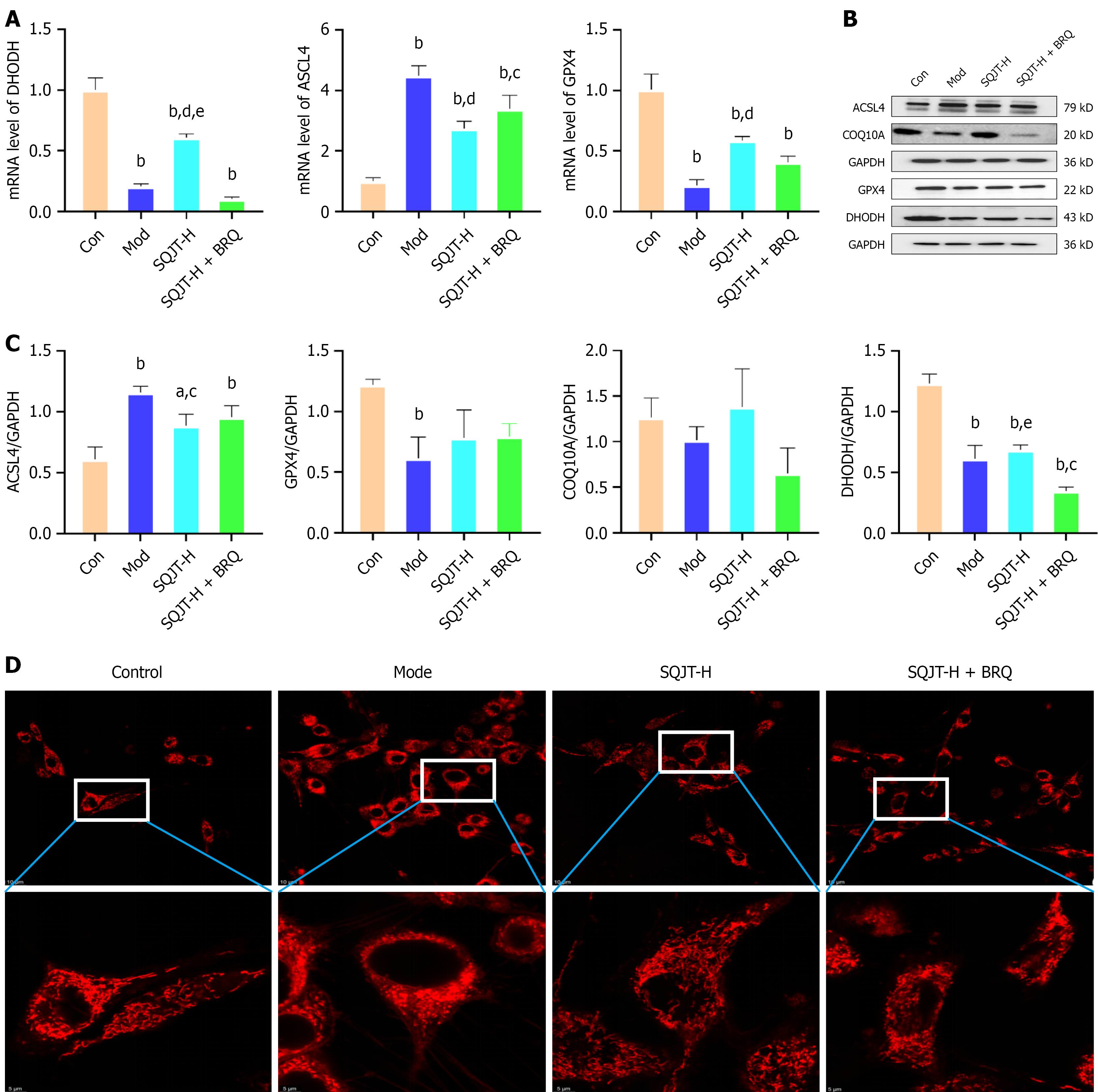
Figure 7 Shenqi Jiangtang Granules-containing serum modulates the dihydroorotate dehydrogenase/coenzyme Q signaling pathway and mitochondrial morphology in H9C2 cells under glucolipotoxicity.
A: Reverse transcription-quantitative PCR analysis of ferroptosis-related marker genes and dihydroorotate dehydrogenase (DHODH)/coenzyme Q10A pathway genes; B and C: Western blot analysis of ferroptosis-related marker proteins and DHODH/coenzyme Q pathway proteins, with densitometric quantification; D: Confocal microscopy of mitochondrial morphology following MitoTracker staining (n = 3). aP < 0.05 vs control; bP < 0.01 vs control; cP < 0.05 vs model group; dP < 0.01 vs model group; eP < 0.01 vs Shenqi Jiangtang Granules-high + brequinar. Con: Control; Mod: Model; SQJT: Shenqi Jiangtang Granules; SQJT-H: Shenqi Jiangtang Granules-high; BRQ: Brequinar.
- Citation: Tang YT, Chen YP, Yang YN, Liu JL, Wu Q, Zhang S, Pang Q, Wei MY, Gong YB, Ni Q. Shenqi Jiangtang Granules attenuate ferroptosis in diabetic cardiomyopathy via the dihydroorotate dehydrogenase-coenzyme Q pathway. World J Diabetes 2026; 17(6): 117524
- URL: https://www.wjgnet.com/1948-9358/full/v17/i6/117524.htm
- DOI: https://dx.doi.org/10.4239/wjd.117524