
















Copyright: ©Author(s) 2026.
World J Diabetes. Jun 15, 2026; 17(6): 115820
Published online Jun 15, 2026. doi: 10.4239/wjd.115820
Published online Jun 15, 2026. doi: 10.4239/wjd.115820
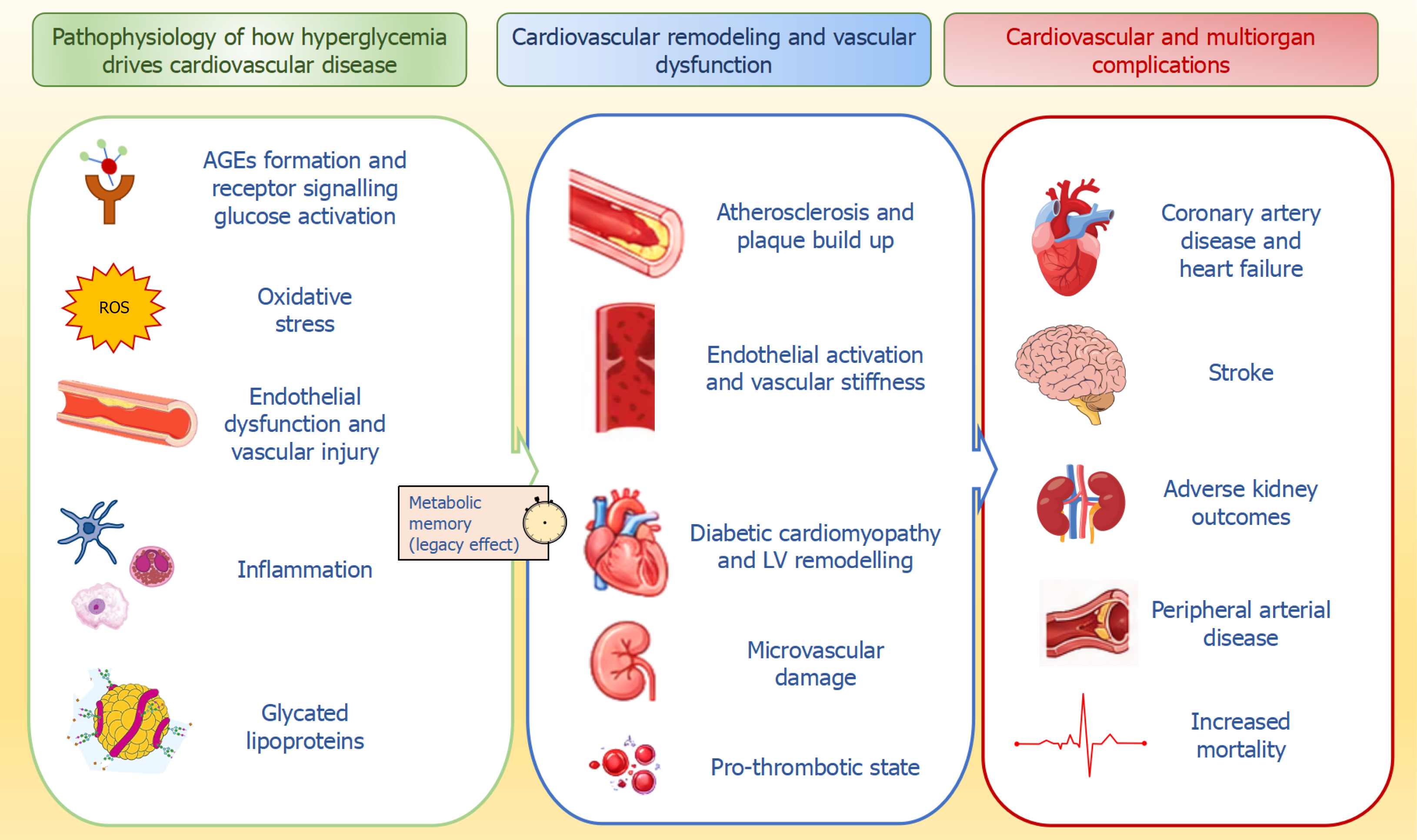
Figure 1 Pathophysiological cascade linking chronic hyperglycemia to cardiovascular and renal outcomes in diabetes mellitus.
Chronic hyperglycemia promotes the formation of advanced glycation end products and activation of their receptors, leading to oxidative stress, endothelial dysfunction, inflammation, and modification of circulating lipoproteins. These interconnected mechanisms drive vascular injury and atherogenesis. Downstream effects include endothelial activation, arterial stiffness, left ventricular remodeling, and microvascular damage, ultimately contributing to major clinical outcomes such as coronary artery disease, heart failure, stroke, chronic kidney disease, peripheral arterial disease, and increased mortality. This framework highlights the continuum from metabolic disturbance to organ damage and underscores the importance of early and comprehensive risk modification in diabetes care. LV: Left ventricular; ROS: Reactive oxygen species.
- Citation: Goyal MK, Hatwal J, Desai R, Sehgal T, Batta A. Glycated hemoglobin and cardiovascular risk in diabetes mellitus: Evolving evidence beyond glycemic control. World J Diabetes 2026; 17(6): 115820
- URL: https://www.wjgnet.com/1948-9358/full/v17/i6/115820.htm
- DOI: https://dx.doi.org/10.4239/wjd.115820