
















Copyright: ©Author(s) 2026.
World J Diabetes. May 15, 2026; 17(5): 117338
Published online May 15, 2026. doi: 10.4239/wjd.v17.i5.117338
Published online May 15, 2026. doi: 10.4239/wjd.v17.i5.117338
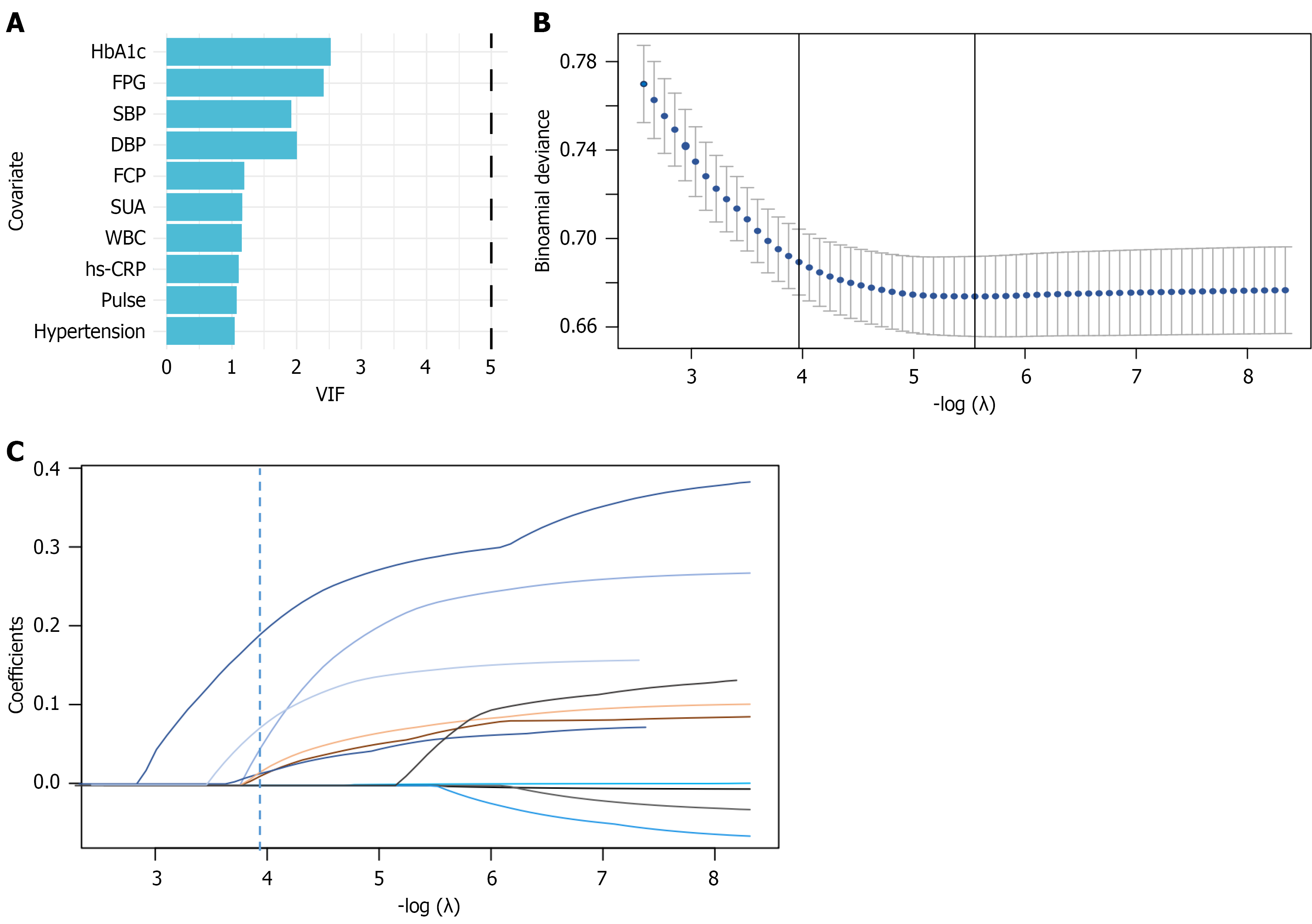
Figure 1 Variable selection and assessment of multicollinearity for chronic kidney disease.
A: Variance inflation factor values for candidate variables. A variance inflation factor > 5 indicated potential multicollinearity; B: Cross-validated least absolute shrinkage and selection operator regression for variable selection; C: Least absolute shrinkage and selection operator coefficient paths across varying regularization parameters (λ), with the optimal λ selected using the λ.1se criterion. VIF: Variance inflation factor; HbA1c: Hemoglobin A1c; FPG: Fasting plasma glucose; SBP: Systolic blood pressure; DBP: Diastolic blood pressure; FCP: Fasting C-peptide; SUA: Serum uric acid; WBC: White blood cell count; hs-CRP: High-sensitivity C-reactive protein.
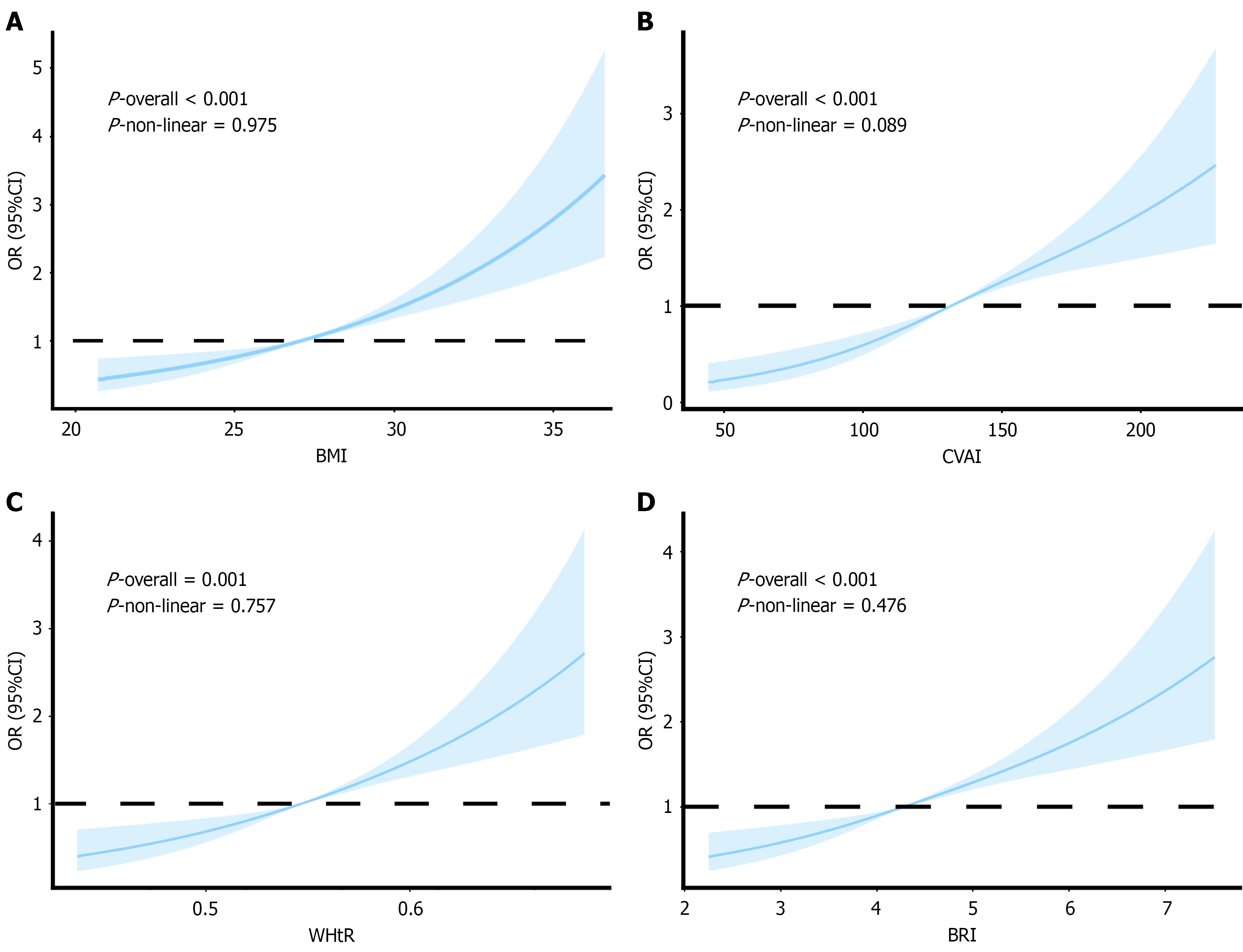
Figure 2 Restricted cubic spline analyses of the associations between obesity-related indices and chronic kidney disease risk.
A: Linear association between body mass index and chronic kidney disease (CKD) risk; B: Linear association between Chinese visceral adiposity index and CKD risk; C: Linear association between waist-to-height ratio and CKD risk; D: Linear association between body roundness index and CKD risk. CI: Confidence interval; OR: Odds ratio; BMI: Body mass index; CVAI: Chinese visceral adiposity index; WHtR: Waist-to-height ratio; BRI: Body roundness index.
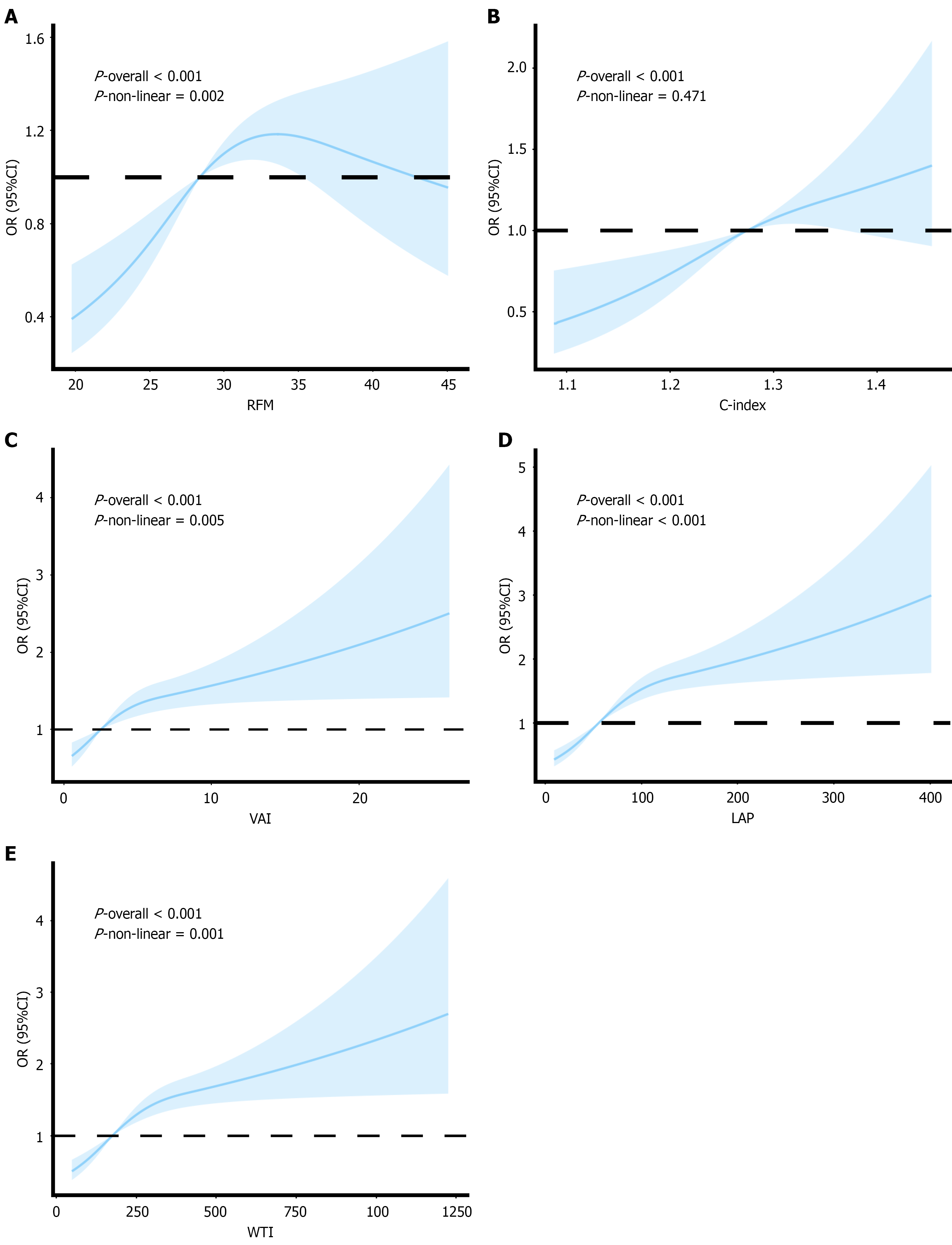
Figure 3 Restricted cubic spline analyses of the associations between obesity-related indices and chronic kidney disease risk.
A: Non-linear association between relative fat mass and chronic kidney disease (CKD) risk; B: Linear association between conicity index and CKD risk; C: Non-linear association between visceral adiposity index and CKD risk; D: Non-linear association between lipid accumulation product and CKD risk; E: Non-linear association between waist-triglyceride index and CKD risk. CI: Confidence interval; OR: Odds ratio; RFM: Relative fat mass; C-index: Conicity index; VAI: Visceral adiposity index; LAP: Lipid accumulation product; WTI: Waist-triglyceride index.
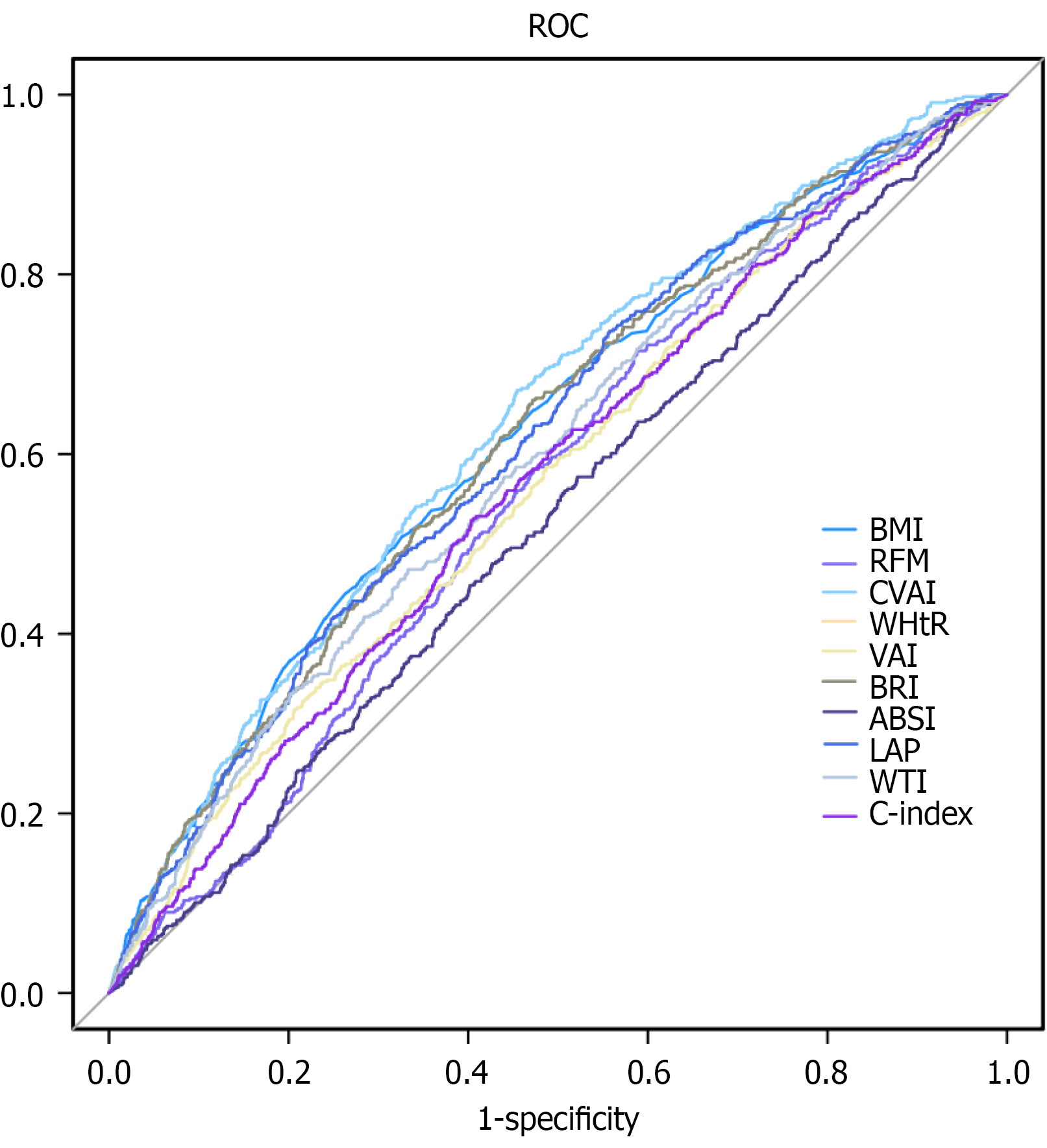
Figure 4 Receiver operating characteristic curve analyses of 10 obesity-related indices for discriminating chronic kidney disease.
ROC: Receiver operating characteristic. BMI: Body mass index; RFM: Relative fat mass; CVAI: Chinese visceral adiposity index; WHtR: Waist-to-height ratio; VAI: Visceral adiposity index; BRI: Body roundness index; ABSI: A body shape index; LAP: Lipid accumulation product; WTI: Waist-triglyceride index; C-index: Conicity index.
- Citation: Huang DN, Ma J, Pan Q, Xu GG, Guo LX. Association of obesity-related indices with chronic kidney disease risk in diabetes: A cross-sectional study. World J Diabetes 2026; 17(5): 117338
- URL: https://www.wjgnet.com/1948-9358/full/v17/i5/117338.htm
- DOI: https://dx.doi.org/10.4239/wjd.v17.i5.117338