
















Copyright: ©Author(s) 2026.
World J Diabetes. May 15, 2026; 17(5): 114042
Published online May 15, 2026. doi: 10.4239/wjd.v17.i5.114042
Published online May 15, 2026. doi: 10.4239/wjd.v17.i5.114042
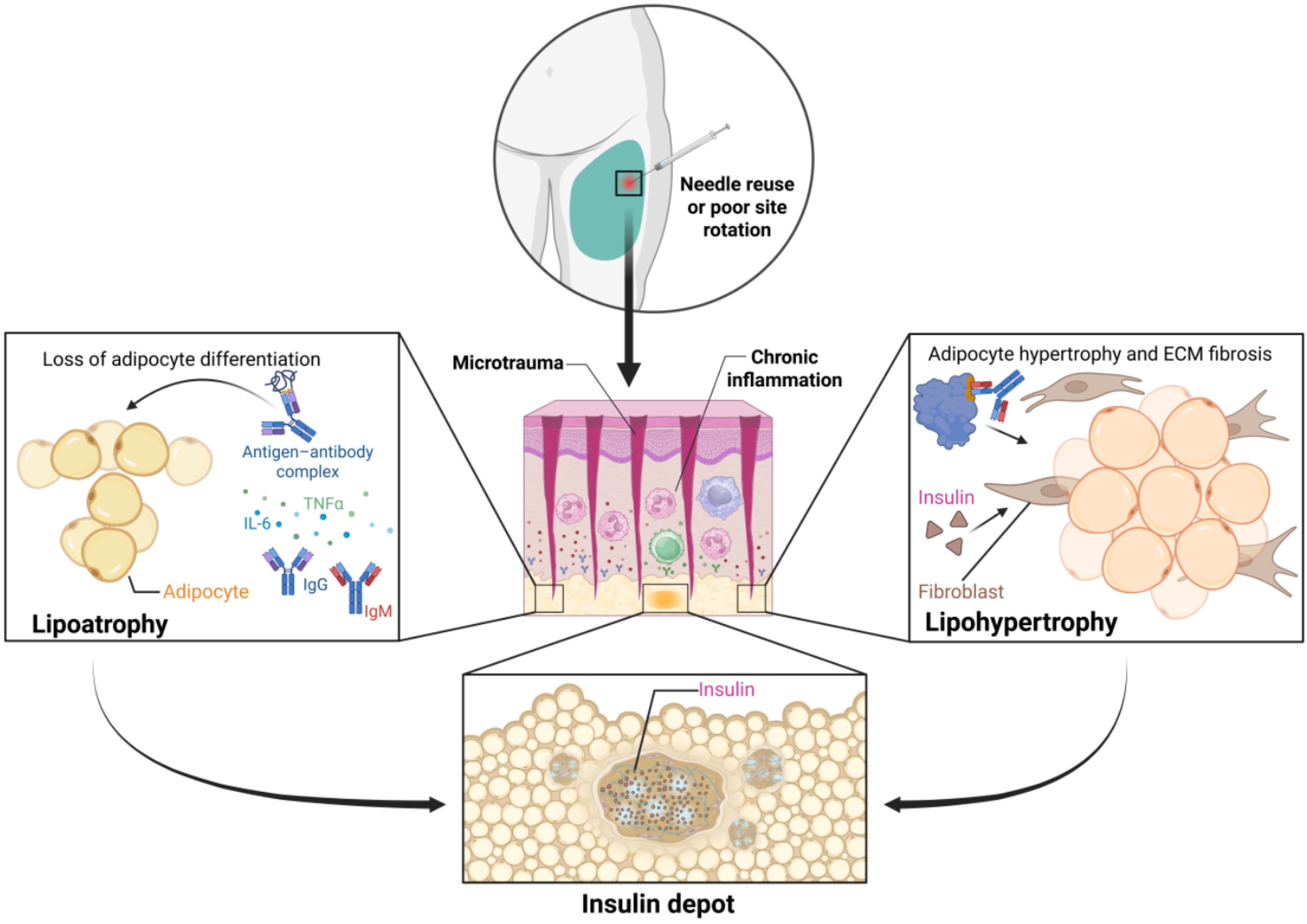
Figure 1 Mechanism of insulin depot formation.
Repeated improper insulin injection can cause microtrauma and chronic inflammation in subcutaneous tissue. Persistent injury and inflammation promote the development of abnormal tissue, which reduces local blood flow and impairs insulin diffusion. As a result, insulin accumulates at the injection site and forms a localized depot. ECM: Extracellular matrix; IgG: Immunoglobulin G; IgM: Immunoglobulin M; IL: Interleukin; TNF: Tumor necrosis factor.
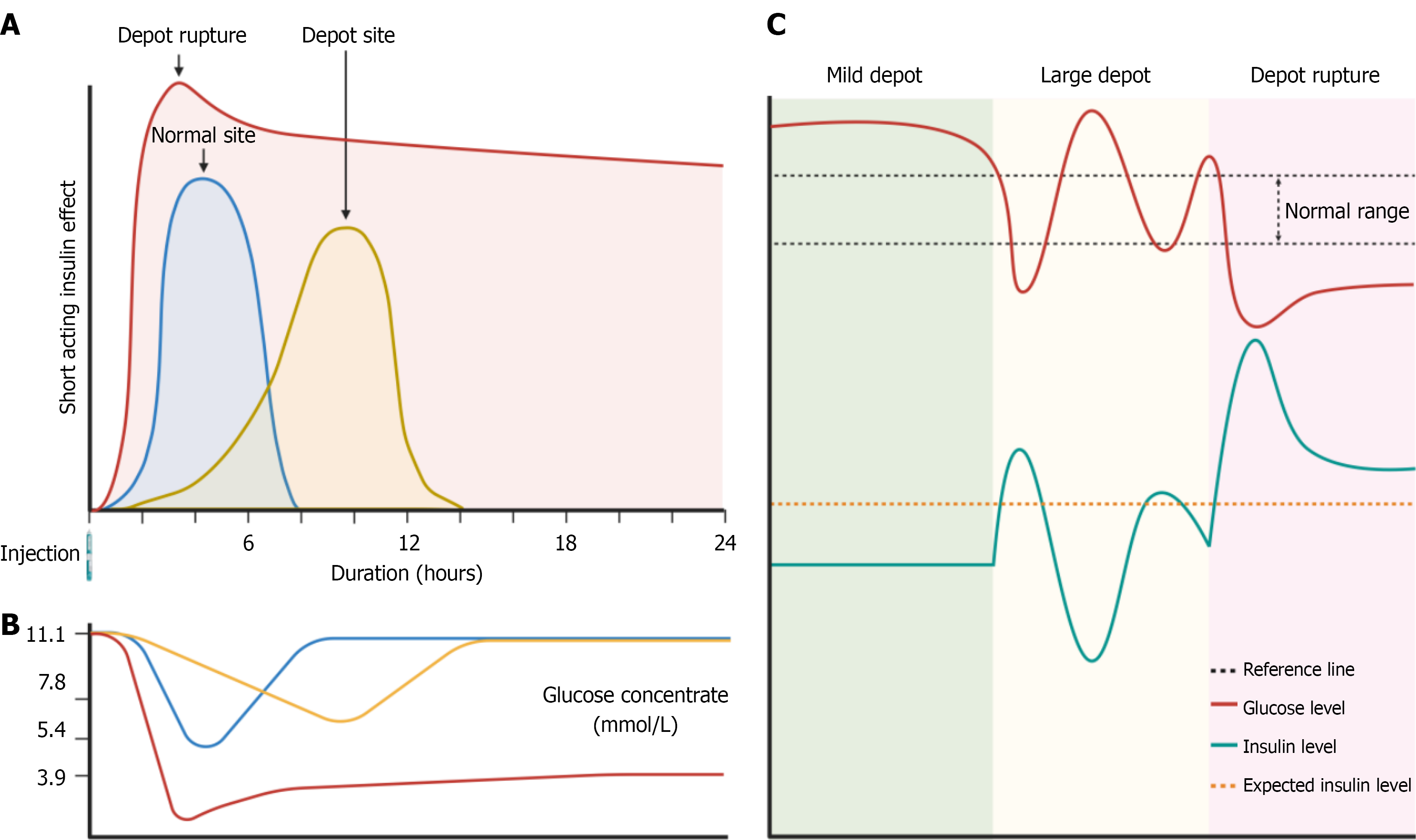
Figure 2 Activity profiles of short-acting insulin under different injection conditions.
A: Different pharmacodynamic responses when short-acting insulin is injected into normal tissue, depot-affected tissue, or a ruptured depot site; B: Changes in blood glucose levels corresponding to injections at these different sites; C: Insulin concentration patterns in cases of mild depot formation, severe depot formation, and depot rupture.
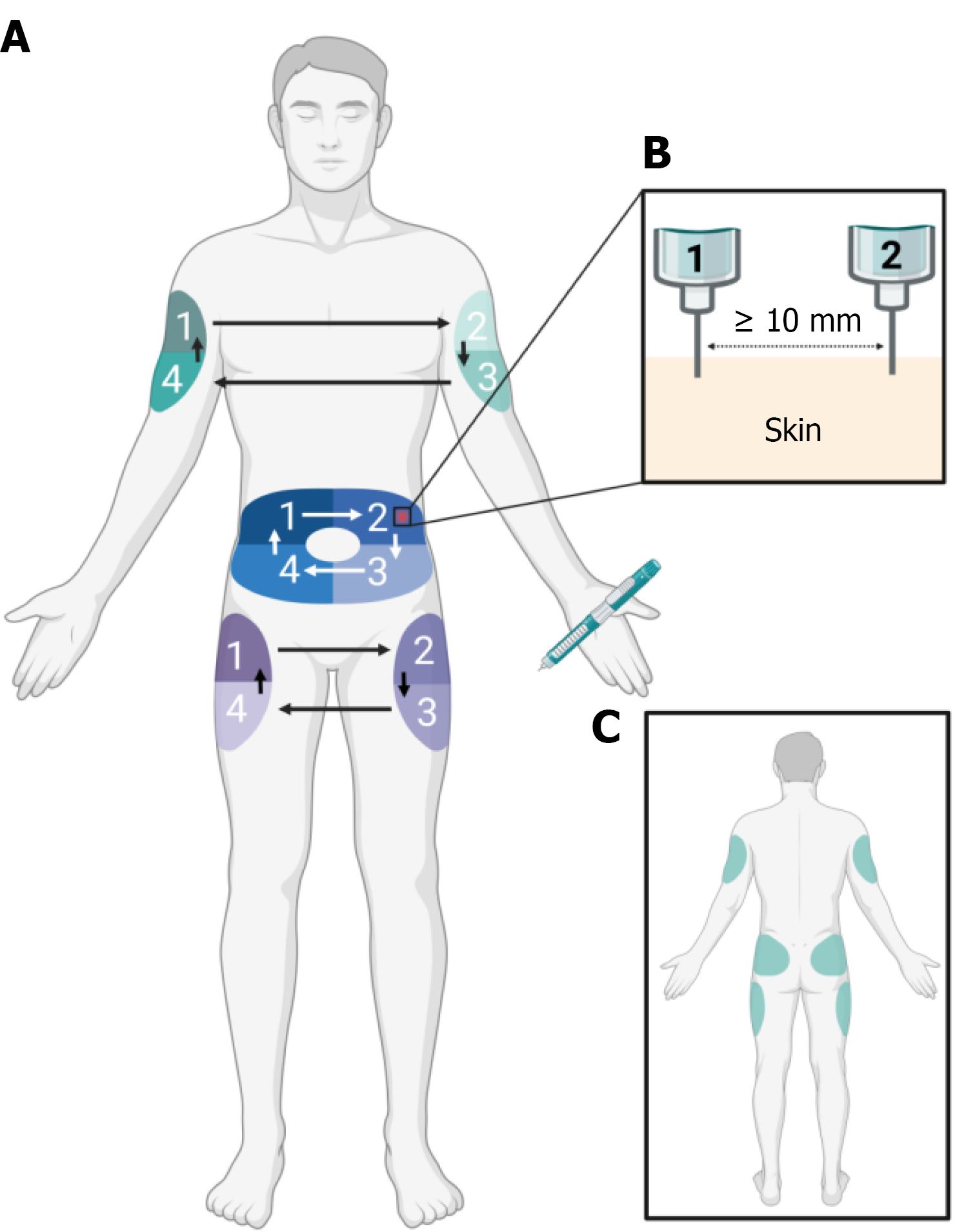
Figure 3 Insulin injection practices.
A: Recommended injection sites and rotation patterns on the anterior body surface; B: Minimum spacing between consecutive injections; C: Injection sites on the posterior body surface.
- Citation: Nguyen NTY, Tran HP, Luong TV, Nguyen DX, Tran DH, Hoai PHT, Lee MC, Dang HNN. From lipodystrophy to subcutaneous insulin depots: Overlooked mechanisms of glycemic variability in patients with diabetes. World J Diabetes 2026; 17(5): 114042
- URL: https://www.wjgnet.com/1948-9358/full/v17/i5/114042.htm
- DOI: https://dx.doi.org/10.4239/wjd.v17.i5.114042