
















Copyright: ©Author(s) 2026.
World J Diabetes. Apr 15, 2026; 17(4): 117094
Published online Apr 15, 2026. doi: 10.4239/wjd.v17.i4.117094
Published online Apr 15, 2026. doi: 10.4239/wjd.v17.i4.117094
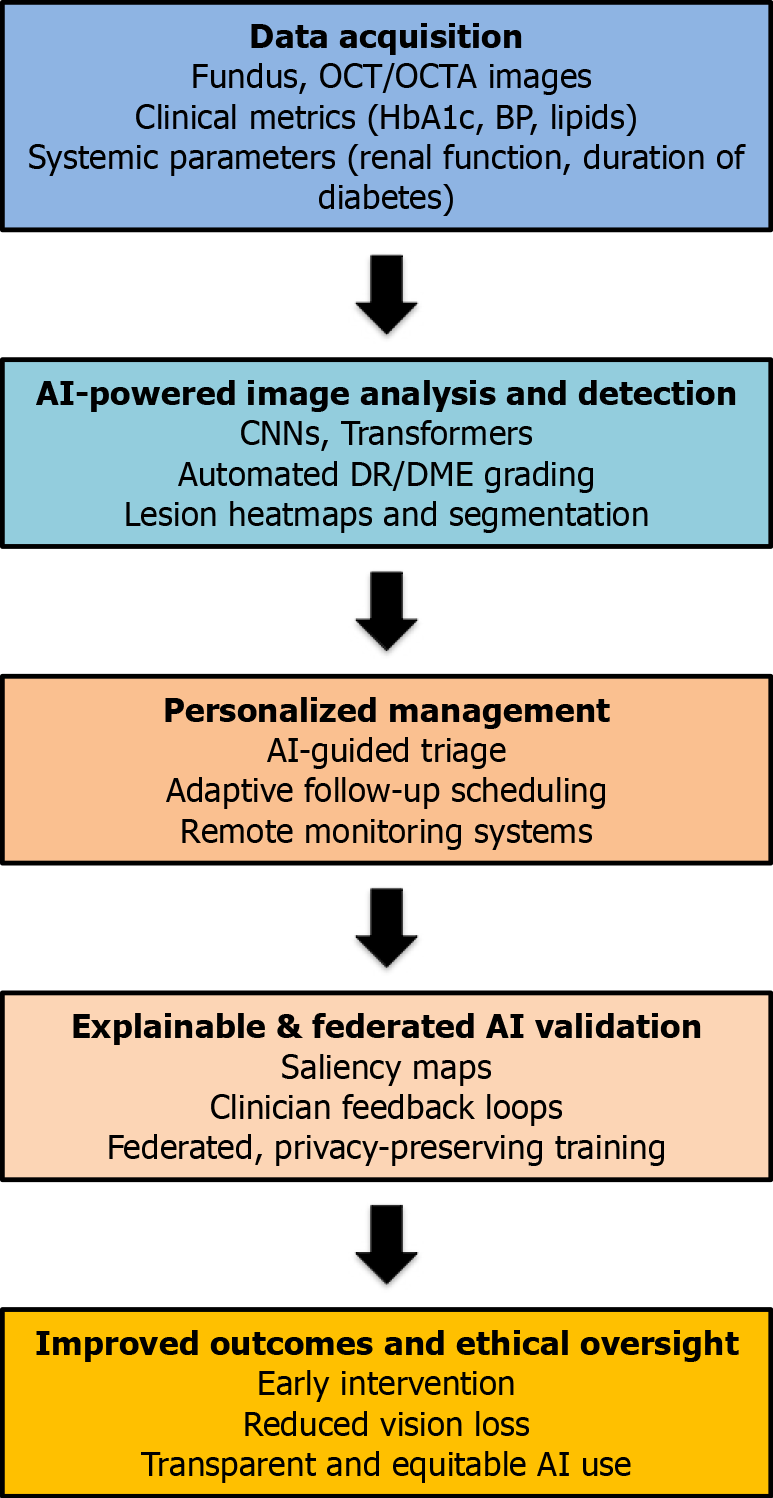
Figure 1 Artificial intelligence-enhanced continuum of diabetic ocular care.
The integration of multimodal ocular and systemic data by artificial intelligence (AI) systems to improve the management of diabetic eye disease. Starting with the automated identification of diabetic retinopathy and macular edema from fundus and optical coherence tomography and optical coherence tomography Angiography images, AI algorithms are advancing toward predictive analytics, facilitating the diagnosis of disease progression and tailored therapeutic responses. Explainable and federated AI models improve transparency, foster trust, and increase real-world applications. This paradigm promotes a transition from reactive treatment to proactive, precision-guided care, ensuring ethical oversight and patient safety are upheld. AI: Artificial intelligence; BP: Blood pressure; CNNs: Convolutional neural networks; DME: Diabetic macular edema; DR: Diabetic retinopathy; HbA1c: Glycated hemoglobin; OCT: Optical coherence tomography; OCTA: Optical coherence tomography angiography.
- Citation: Cappellani F, Capobianco M, Visalli F, Khouyyi M, Musa M, Avitabile A, Leandro I, Giglio R, Tognetto D, Gagliano C, D’Esposito F, Zeppieri M. From pixels to precision: Artificial intelligence in diabetic eye disease screening and management. World J Diabetes 2026; 17(4): 117094
- URL: https://www.wjgnet.com/1948-9358/full/v17/i4/117094.htm
- DOI: https://dx.doi.org/10.4239/wjd.v17.i4.117094