
















Copyright: ©Author(s) 2026.
World J Gastrointest Endosc. May 16, 2026; 18(5): 118389
Published online May 16, 2026. doi: 10.4253/wjge.v18.i5.118389
Published online May 16, 2026. doi: 10.4253/wjge.v18.i5.118389
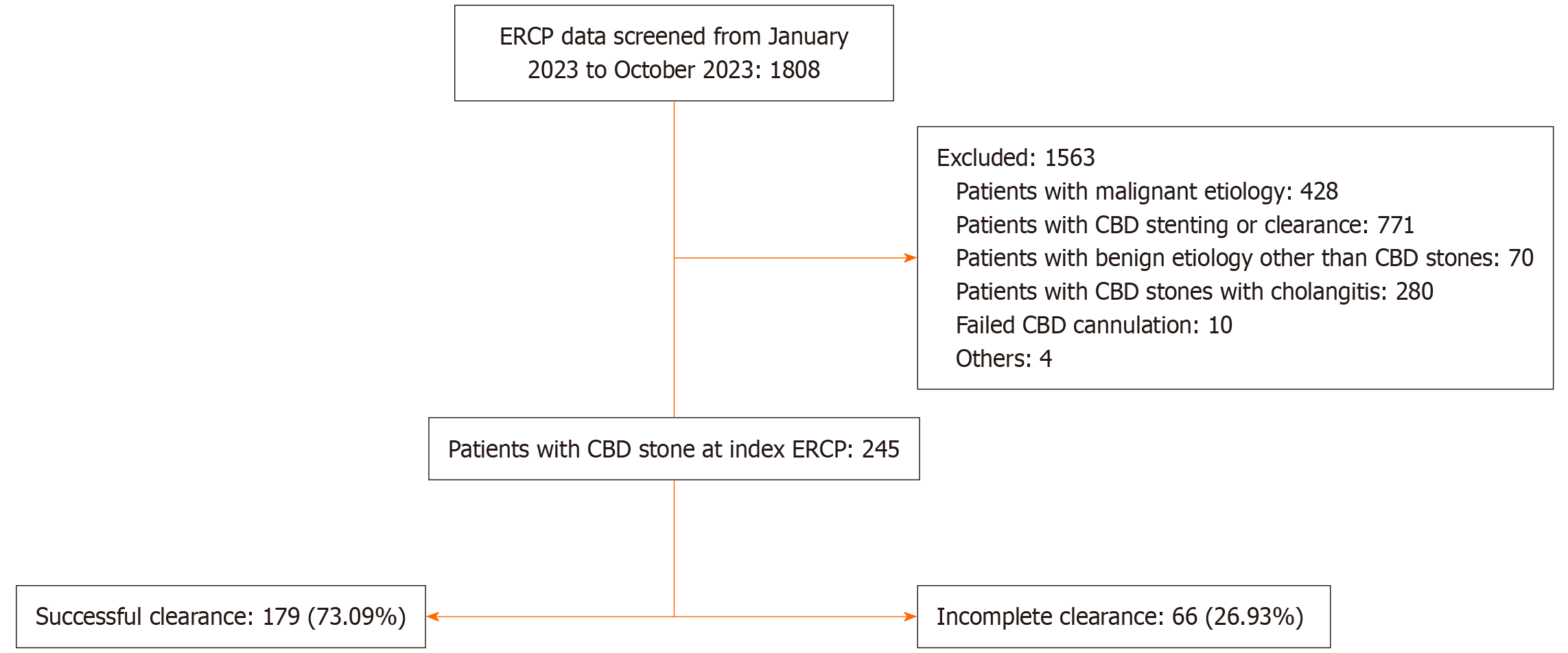
Figure 1 Study flow chart.
ERCP: Endoscopic retrograde cholangiopancreatography; CBD: Common bile duct.
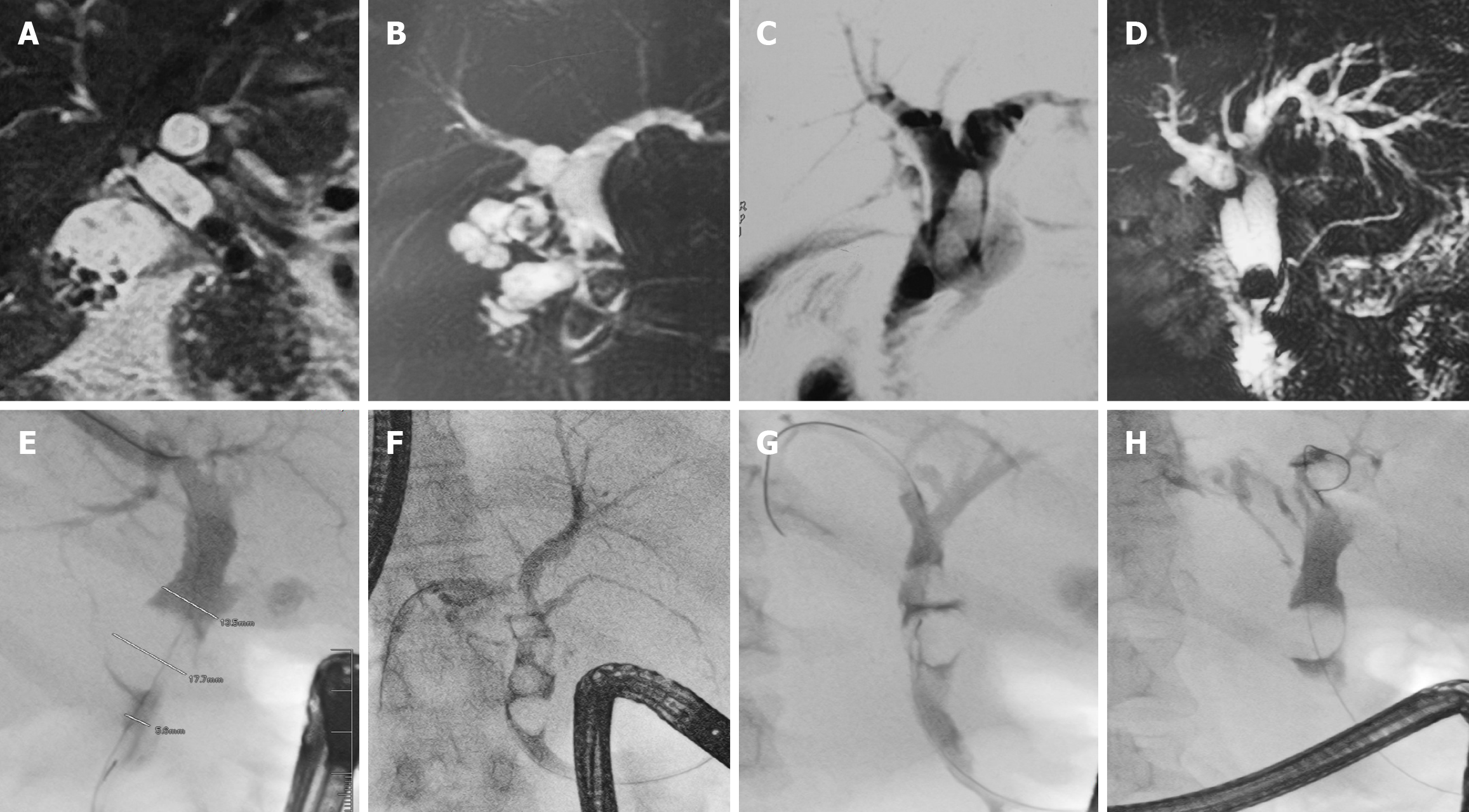
Figure 2 Magnetic resonance cholangiopancreatography and endoscopic retrograde cholangiography predictors of incomplete common bile duct stone clearance.
A-H: Magnetic resonance cholangiopancreatography imaging of various predictors of incomplete common bile duct (CBD) stone clearance in A-D. Endoscopic retrograde cholangiographic images of various predictors of incomplete CBD stone clearance in E-H. Stone size greater than CBD diameter (A); proximal location of stone (B and C); impacted stone (D); stone size greater than CBD diameter (E); proximal location of stone (F and G); impacted stone (H).
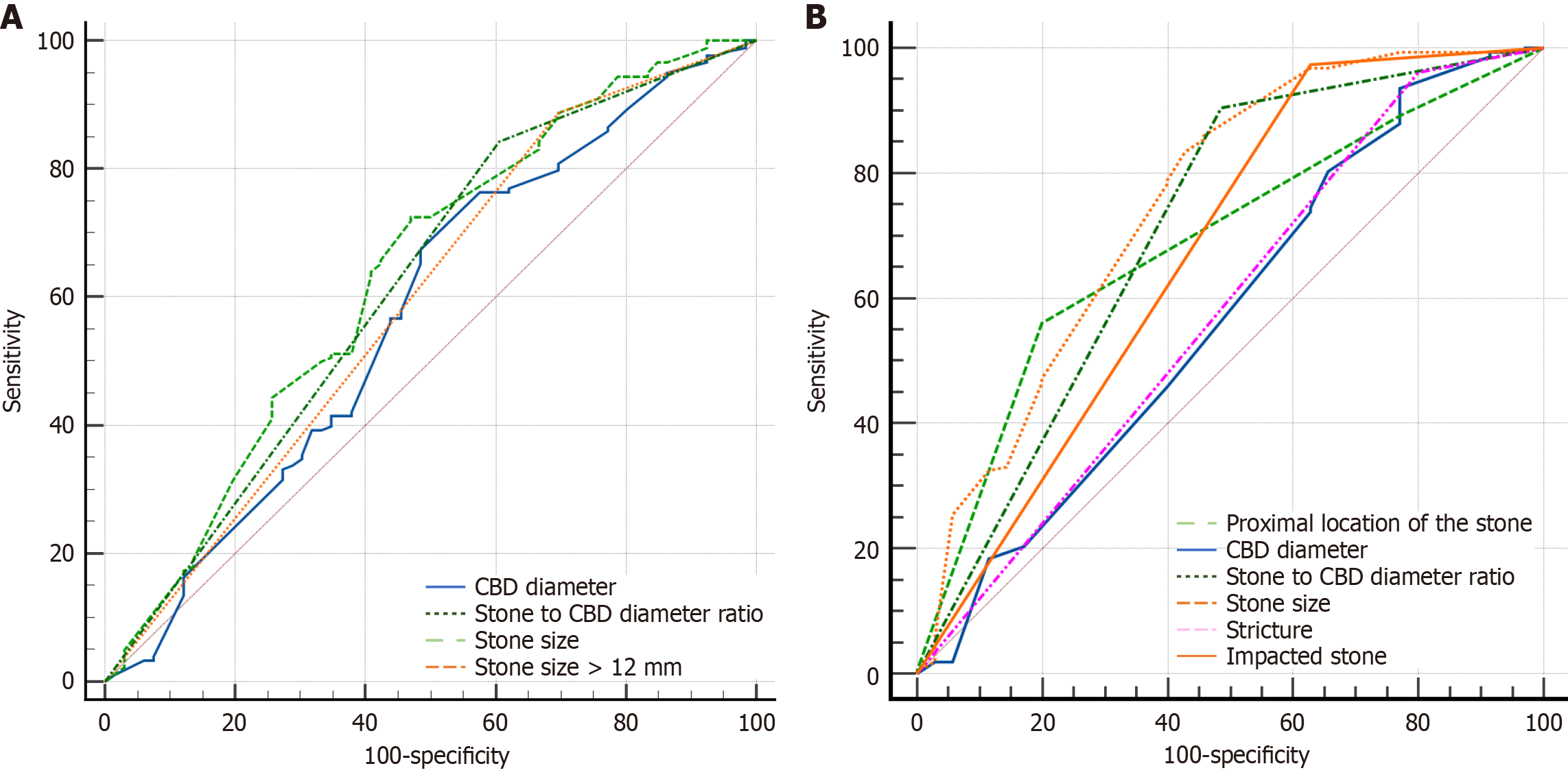
Figure 3 Receiver operating characteristic curves of the predictors of incomplete common bile duct stone clearance.
A: Magnetic resonance cholangiopancreatography-based predictors: Stone size [area under curve (AUC) = 0.635], stone size-to-common bile duct (CBD) diameter ratio (AUC = 0.618), stone size ≥ 12 mm (AUC = 0.595), and CBD diameter (AUC = 0.577); B: Endoscopic retrograde cholangiopancreatography-based predictors: Stone size (AUC = 0.750), stone size-to-CBD diameter ratio (AUC = 0.709), proximal stone location (AUC = 0.688), impacted stones (AUC = 0.673), stricture (AUC = 0.581), and CBD diameter (AUC = 0.571). CBD: Common bile duct.
- Citation: Lone SA, Vaithiyam V, Vora K, Sirohi N, Sonika U, Dalal A, Kumar A, Srivastava S, Sachdeva S, Sharma BC. Predictors of incomplete common bile duct stone clearance at index endoscopic retrograde cholangiopancreatography. World J Gastrointest Endosc 2026; 18(5): 118389
- URL: https://www.wjgnet.com/1948-5190/full/v18/i5/118389.htm
- DOI: https://dx.doi.org/10.4253/wjge.v18.i5.118389